





Malta wasn't love at first sight for me, and that's probably the most honest way to start.
I landed thinking it would be an easy Mediterranean stop: a few beach days, some history, good food. Instead, my first impression was waiting too long for a bus outside Valletta, sweating in the heat, and wondering why Google Maps made everything look closer than it actually was.
But by the end of the week, I understood why people keep coming back.
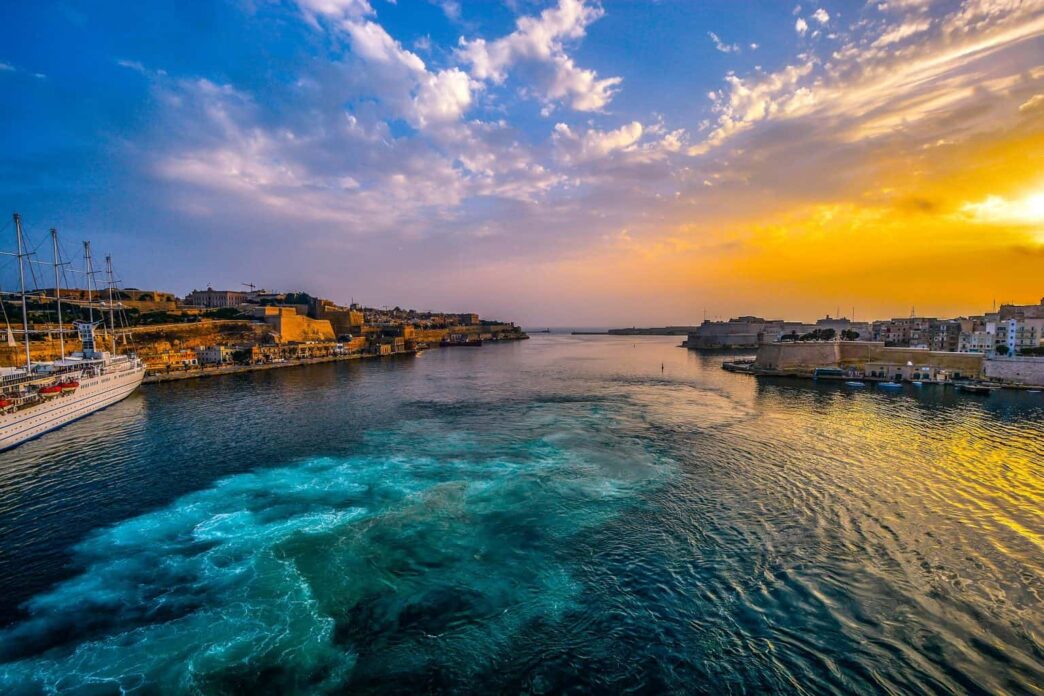
In a single day, I went from swimming off the rocky coast in St Peter's Pool, then ended the evening in Sliema watching the ferries go back and forth to Valletta. It's chaotic in places, especially around St Julian's and Paceville, but step a few streets away and it suddenly feels local again – kids playing football in alleyways, elderly neighbours chatting on balconies, bakeries opening early for pastizzi runs.
If you're doing a multi-country Europe trip, Malta actually fits in surprisingly well.
Getting around Malta is where expectations need adjusting.
Malta isn't polished, and that's part of the deal. But if you treat it as a slow, practical stop rather than a picture-perfect beach destination, it becomes one of those places that quietly grows on you.
The First Few Days Feel Like Settling In
Arriving in Malta
Malta, Europe
If you arrive in Malta after moving through Europe by train — bouncing between cities like Rome, Paris, or Barcelona — the shift is immediate. In most of Europe, transport follows a rhythm you learn quickly. Platforms are numbered. Timetables matter. You move with purpose.
Malta doesn't work like that.
I landed here after a multi-country Europe trip and felt slightly disoriented within the first hour. Streets in places like Valletta and Mdina curve and climb in ways that maps don't always explain. What looks like a straight route can suddenly turn into a staircase or a narrow alley that feels too quiet to be “right.”
Google Maps helps, but you can't rely on it blindly. It'll send you confidently toward a turn that looks more like someone's living room than a public street.
Getting Around In Malta
Malta's buses are cheap and cover most of the island — usually EUR 2 to EUR 2.50/ USD 2.15 – USD 2.70 per ride depending on the season — which sounds ideal if you're travelling Europe on a budget. In reality, they're unpredictable.
Some days a bus shows up in five minutes. Other days, you wait half an hour, watch two full buses pass, and start questioning your plans. If you're used to European trains running (mostly) on time, this part can be frustrating at first.
That's usually when walking takes over.
Walking isn't always the fastest option, but it's often the easiest. Distances around Sliema, St Julian's, and along the Valletta waterfront look long on a map, but feel manageable once you're moving. It's also the cheapest way to get around, especially if Malta is just one stop in a longer Europe itinerary and you're trying to keep daily costs low.
Exploring Malta
Victoria Main Piazza, Malta
At some point, you stop fighting the pace.
You walk without a fixed plan. You take turns just to see where they lead. Sometimes it's nothing special — a quiet street with sun-faded balconies, laundry hanging between buildings, or the smell of pastizzi coming from a bakery you didn't plan to find.
Other times, it's a small square with a café and three locals who clearly know each other very well and have zero interest in tourists passing by. Those moments feel unplanned, but they're the ones that stick.
Adjusting Your Expectations
Malta isn't a place you rush through efficiently. It doesn't reward tight schedules or packed itineraries. After travelling through other European countries where you're constantly moving — trains, borders, check-ins — Malta feels like a pause.
You slow down without meaning to. You plan less. You accept that buses will be late, routes won't be perfect, and some days will be more about wandering than ticking off sights.
Once that clicks, the disorientation fades.
Malta starts to feel lived-in rather than staged — not polished, not curated, but real. And that's what makes the first few days feel less like “arriving” and more like settling in.
Valletta Is Busy without Feeling Rushed
Valletta has energy, but it is not frantic. There are offices, shops, churches, homes, and bars all stacked into a relatively small space. You hear different languages, but you also hear the same voices again and again as locals move through their day.
It is easy to overdo Valletta by trying to see everything. It works better if you do less. Walk. Sit. Look around. Let the city show itself instead of ticking places off a list.
Mdina is the opposite experience. Quieter, slower, almost deliberately calm. Your footsteps sound louder than usual. People speak softly without meaning to. Being there in the evening changes everything. The light shifts and the city feels private again.
The Sea Is Always There, Even When You Forget About It
Sliema, Malta
Malta's relationship with the sea feels casual. It is always nearby, but it does not constantly announce itself. You might walk for half an hour through streets and suddenly hit a viewpoint where the water opens up in front of you.
Swimming here is not always graceful. You climb down steps. You hold onto railings. You lower yourself in carefully.
Then you are floating in clear water wondering why you hesitated at all.
Comino's Blue Lagoon is famous, and yes, it can be crowded. But the colour is real. Photos do not exaggerate it. Timing matters more than anything else.
Some people decide to charter a yacht in Malta so they can escape the busier spots and spend the day drifting between quieter bays. Even if you never do that, watching boats move across the water becomes part of the background of the trip.
Gozo Feels Like an Exhale
The ferry to Gozo is short, but the shift is noticeable. Things spread out. Greenery appears more often. The pace changes without making a fuss about it.
Gozo is where days stretch. Lunch lasts longer. Walks turn into wandering. You are less aware of the time, which is usually a good sign.
Ramla Bay draws people in, but some of the nicest moments happen away from named places. A quiet road. A view that opens unexpectedly. A bakery you did not plan to find.
Scuba diving in Malta and Gozo is well worth it, especially if you go with people who like exploring underwater landscapes rather than just fish. Even if you never dive, knowing what lies beneath the surface adds depth to the place in a strange way.
Food Culture In Malta
Food in Malta doesn't feel performative. Meals aren't rushed, plated for photos, or explained to you in great detail. They're practical, generous, and built around comfort rather than trends. You notice it straight away — portions are filling, flavours are familiar, and nobody seems concerned about reinventing anything.
Pastizzi are everywhere. On street corners in Valletta, near ferry terminals in Sliema, tucked into small bakeries that barely look open. You eat them standing up, usually burning your fingers a little. You eat them late in the afternoon when lunch has already passed. You eat them even when you told yourself you weren't hungry. Ricotta, peas, flaky pastry — simple, cheap, and impossible to stop at one.
Sit-down meals follow the same rhythm. Rabbit stew, grilled fish, big plates of pasta — food meant to be shared or at least eaten slowly. Lunches stretch longer than planned, dinners start late, and nobody seems bothered if things run over time. It's normal to see tables still full well into the evening, conversations carrying on while plates sit half-finished.
What stands out most isn't just the food, but how much time people give to it. Village squares come alive after sunset.
Children run between tables, scooters left to one side. Adults talk without checking phones every few minutes. There's no obvious rush to be anywhere else.
Even if you don't speak to anyone, watching this becomes part of the experience. You sit, eat, observe, and somehow feel included just by being there. In Malta, food isn't an event — it's a constant, quiet thread running through everyday life.
Small Moments You Don't Plan For
Some of the strongest memories from Malta tend to be the ones you never planned. Sitting on a low wall while waiting for a bus that takes longer than expected. Buying something small from a corner shop and ending up in a short conversation you did not expect to have. Standing still for a minute longer than planned because the light looked different on the buildings.
These moments are easy to dismiss while they are happening. They feel ordinary. Later, they are the things you remember most clearly. Not the headline attractions, but the in between spaces where nothing in particular was supposed to happen.
Malta gives you a lot of those moments if you let it. You just have to leave room for them.
Malta isn't dramatic in the way some destinations are. Instead, it settles in slowly.
You remember the small things more than the highlights. A street in Valletta you walked down twice without realising. A swim you almost skipped because you were tired. A café stop that turned into an hour because the light was good and you weren't in a rush. Those details quietly stack up.
That's why Malta works so well as part of a longer Europe travel itinerary. It balances out the fast pace of multi-country trips and busy cities. It's a place where you stop planning so tightly, rely less on transport schedules, and let your days unfold naturally — something many travellers don't realise they need until they get here.
In the end, Malta isn't just about ticking off the best places to visit in Malta or following a strict Malta itinerary. It's about how it feels to live there, even briefly. And that feeling — unpolished, familiar, and unexpectedly calm — is what tends to stay with you long after you've moved on to your next stop in Europe.