




The first time I really noticed the ocean's rhythm was in Tulum.
I'd planned a long beach walk at sunrise, only to arrive and realise half the shoreline had disappeared overnight. The tide was high, the waves were heavy, and instead of wandering along the sand, I ended up perched on a rock with a coffee, watching the water do its thing.
That moment changed how I approach beach trips, especially in places like Mexico, where the ocean quietly dictates everything.
In Playa del Carmen, I learned the hard way that mid-afternoon isn't ideal for swimming when the tide pulls strong — but early mornings? Glassy water, fewer people, and way better visibility.
Once you start paying attention to these natural cycles, beach travel becomes less about rigid plans and more about working with what the coast gives you.
Swimming feels safer, walks feel more peaceful, and even simple things like shell collecting or paddleboarding suddenly make sense when timed right. You stop forcing activities and start flowing with the place you're in.
That mindset also carries over to how I pack, especially for beach-heavy trips like Costa Rica. Knowing I'll be in and out of the water, dealing with changing tides, sudden rain, and strong sun means quick-dry clothing, reef-safe sunscreen, and proper water shoes aren't “nice to have” anymore – they're essentials.
Beach trips aren't just about finding the best stretch of sand. They're about learning the rhythm of the coast, and once you do, everything else falls into place.
READ ALSO:

10 Must-Experience Beach Clubs In Ibiza, Spain
7 Stunning Beach Clubs In Positano, Italy
14 Best Clubs in Tulum, Mexico
Plan Your Beach Activities With Natural Cycles
Chilling at Pissouri Beach after the trail
Understanding the natural rhythms of the coast can completely transform your beach vacation. Once you start paying attention to tides, sunlight, and wave patterns, every activity becomes smoother, safer, and more enjoyable.
Here's how you can make the most of it:
1. Beachcombing And Exploring Tidal Pools
Low tide is the ultimate time to explore the shoreline. On my first morning in Tulum, I headed out without checking the tide and quickly realised the best sand flats and tidal pools were underwater.
The next day, I planned my walk around the low tide schedule — and the difference was night and day. Tiny crabs, colourful shells, starfish, and even sea urchins were visible in shallow pools.
Pro Tips:
- Check the tide chart for your destination; many Mexican beaches update tides online.
- Wear water shoes or sandals that can handle slippery rocks and uneven sand.
- Bring a small bucket or mesh bag if you plan to collect shells, but always respect local regulations.
- Early morning low tides are perfect: fewer crowds, cooler temperatures, and calmer light for photography.
In Costa Rica, beaches like Manuel Antonio and Playa Hermosa reveal similar tidal pools. Low tide exposes coral fragments, small marine creatures, and sand patterns that are hidden the rest of the day — making it perfect for a slow, mindful walk or for kids to explore safely.
2. Swimming And Surfing
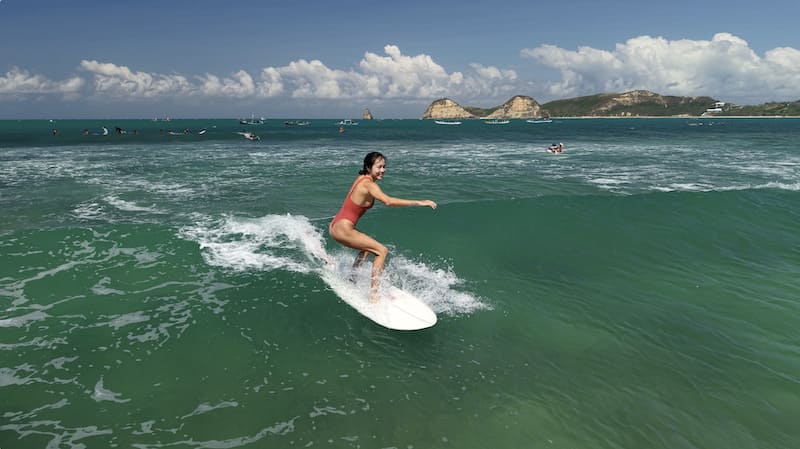
Water activities are heavily influenced by tides. During high tide, waves can be larger and stronger — ideal for surfers or experienced swimmers. During low tide, the water often recedes, creating calmer, shallower areas perfect for families, beginners, or paddleboarding.
What I learned the hard way when surfing in Puerto Escondido: mid-afternoon swimming can feel easy, but strong rip currents sometimes sneak in around certain tidal shifts. Checking tide schedules and talking to local lifeguards made a huge difference in safety.
Pro Tips:
- High tide can also bring debris or seaweed closer to shore — plan accordingly.
- If paddleboarding, mid-tide often offers the smoothest, most stable water.
- Always scout the area first, especially if unfamiliar with currents or local conditions.
3. Fishing
Tides directly influence fish behaviour, so understanding them is key for anglers. Early morning or late afternoon, when the tide is incoming or outgoing, tends to produce more active fish.
From my experience in Baja California, casting during the incoming tide dramatically improved the chances of catching snappers and small groupers. In contrast, fishing at slack tide — the brief period when the water stops moving — often produced almost nothing.
Pro Tips:
- Local bait and tackle shops often know the best tidal times for each species.
- For short trips, check tide charts before booking a fishing excursion.
- Small adjustments, like fishing half an hour before high tide, can make a huge difference.
4. Photography
Timing your photography with natural cycles can elevate beach photos from good to incredible. Sunrise and sunset, combined with tidal conditions, create dramatic lighting and textures.
- Low tide: exposes rock formations, tide pools, and wet sand that reflect light beautifully. I once spent an hour photographing the reflective sand flats in Riviera Maya — the mirrored effect doubled the visual impact.
- High tide: perfect for dynamic shots of waves crashing against rocks or piers. The motion adds energy to seascapes.
Pro Tips:
- Golden hours (shortly after sunrise and before sunset) provide soft, warm light and long shadows.
- Bring a wide-angle lens or even your phone's ultra-wide mode to capture reflections and expanses of sand.
- Scout locations ahead of time — tide charts can help you plan which areas will be exposed or submerged for the best composition.
5. Structuring Your Day
Once you understand tides, you can plan a beach day that flows naturally:
- Early morning: beachcombing and tidal pool exploration at low tide.
- Late morning / midday: swimming, snorkeling, or surfing at mid-tide when conditions are optimal.
- Afternoon / evening: photography, sunset strolls, or fishing during high or changing tides.
Many seasoned beach travellers, including myself, keep a tide calendar or app handy. It makes planning predictable, maximises activities, and avoids the frustration of discovering your favourite sandbars are underwater.
Stay Safe By Being Aware Of Changing Conditions
Safety should always be your top priority when planning beach activities, especially if you want to enjoy the ocean without surprises. Coastal environments are constantly shifting – tides rise and fall, currents strengthen, and weather can change quickly.
Paying attention to these natural cycles not only keeps you safe but also helps you plan your activities more efficiently. Over the years, I've learned that a little preparation goes a long way toward avoiding mishaps and ensuring a smooth, stress-free beach day.
1. Check Tides And Weather In Advance
Lara Bay, Cyprus
Before I even step onto the sand, I always check tide schedules and local weather forecasts.
In Tulum, I've seen low tide expose stretches of sand that disappear just a few hours later, and high tide cover areas I planned to explore. Similarly, storms in Costa Rica's Nicoya Peninsula can roll in unexpectedly, making once-calm waters unsafe.
Knowing these patterns ahead of time allows you to:
- Time activities like beachcombing, swimming, or surfing for the safest and most enjoyable conditions.
- Avoid areas that could become submerged or dangerous during high tide.
- Plan breaks or meals around periods of stronger sun or wind.
Many beaches post tide charts and weather updates online or at kiosks, which are invaluable if you want to structure your day without guessing. For longer trips, I also keep a tide app on my phone, it's a lifesaver for adjusting plans on the fly.
2. Currents And Changing Water Conditions
Tides and currents are closely linked. Strong currents often appear during transitions between high and low tides, and even small shifts can catch you off guard.
On one trip to Playa del Carmen, I went for a casual swim at mid-tide, only to feel the current pulling me faster than expected. That experience taught me to always scout the water first, observe wave patterns, and adjust my swimming or surfing plans according to the tide.
For families, this is even more critical. Children should stay within designated swimming areas, ideally monitored by lifeguards. I usually mark a safe zone with a towel or beach umbrella as a visual boundary, so kids know where they can explore without wandering into deeper waters.
3. Fishing And Boating Safety
If your beach day includes fishing or boating, tides can directly affect water levels, currents, and boat stability. On a fishing trip in Baja California, the incoming tide quickly turned a calm bay into choppy waters, making navigation tricky. Checking tide charts beforehand helped me time our trip perfectly for smoother waters and more productive fishing.
Other tips for safety:
- Inform someone onshore about your route and expected return.
- Keep a backup plan in case conditions change, such as a sheltered cove or nearby dock.
- Watch the water carefully for sudden changes, especially if fishing from rocks or smaller boats.
4. Be Aware Of Local Marine Life And Hazards
Tides also influence how close marine creatures come to shore. In Costa Rica, I've noticed jellyfish drift in more during certain tidal phases, while sea urchins and sharp corals become exposed at low tide. Understanding these natural patterns helps you avoid injuries and enjoy wildlife observation safely.
Rip currents are another major concern. They often form near sandbars, piers, or steep drop-offs. Before jumping into the water:
- Observe wave patterns and look for channels where water seems to pull out to sea.
- Ask local lifeguards about current hazards — they often know where rip currents form during different tides.
- Respect warning flags and posted signs, even if the water looks calm.
Being proactive about marine hazards makes your trip safer and less stressful — you can focus on the fun parts of swimming, snorkelling, or paddleboarding.
5. Create A Personal Safety Checklist
Over time, I've developed a beach safety routine that I follow for every outing. It's simple, but it reduces risks and keeps the day worry-free:
- Verify tide times and weather forecasts before leaving your accommodation.
- Identify the nearest lifeguard station or exit points along the beach.
- Plan activities according to tides: morning low tide for beachcombing, midday for swimming or water sports, afternoon for photography or fishing.
- Inform someone about your plans and expected return time.
- Pack a basic safety kit: whistle, waterproof phone case, first aid supplies, sunscreen, water, and maybe a small snack.
For families, I also establish clear boundaries for children and designate a meeting point if anyone drifts away while exploring tidal pools or rock formations. This small effort provides peace of mind and makes the day more relaxed.
Use Technology To Enhance Your Seaside Experience
Modern technology provides tools that make tracking natural cycles easier than ever.
Various apps offer real-time data on tide schedules, weather conditions, and even fishing points. These digital aids enable you to plan beach activities with precision, ensuring you maximise each moment spent by the sea.
Incorporating technology into your planning doesn't mean abandoning traditional methods of observing nature's signs. Instead, use apps as supplementary tools alongside personal observations like watching wave patterns or noting changes in wind direction. This blend of technology with intuitive observation enhances your ability to predict the best times for different activities while fostering a deeper connection with your surroundings.
For anglers, apps that provide detailed fishing forecasts and locations can significantly improve your catch rates. By using tools like Fishing points, you can access information on the best fishing spots, weather conditions, and tidal movements, helping you plan a successful fishing trip. This technology not only enhances your experience but also increases your understanding of the local marine environment.
Beyond tide and weather apps, social media platforms and online communities have become valuable resources for beach enthusiasts seeking to optimise their coastal experiences.
Many coastal regions have dedicated groups where locals and visitors share real-time updates about conditions, wildlife sightings, and hidden gems. These digital communities often provide insider knowledge that goes beyond what standard apps can offer, including recommendations for the best times to visit specific beaches to avoid crowds or catch spectacular natural phenomena.
By engaging with these online resources before and during your trip, you can discover unique opportunities and connect with fellow beach lovers who share your passion for coastal exploration.
Embrace Nature's Flow For A Fulfilling Experience
The true beauty of beach vacations lies in their ability to connect you with nature's rhythms in a meaningful way.
By understanding and respecting these cycles, you not only enjoy a more fulfilling holiday but also cultivate a lasting appreciation for the natural world. Planning around tides encourages mindfulness and patience, qualities that enrich your overall travel experience.
As you embrace these natural cycles, you'll find that your beach vacation becomes more than just a retreat; it transforms into an opportunity for learning and growth. The insights gained from observing tides can deepen your connection with the environment and inspire future adventures that continue this harmonious relationship with nature.
Whether you're exploring the coastlines of North America or enjoying a quiet day by the sea, aligning your activities with natural rhythms enhances your experience.
By paying attention to tides, weather, and even using a few handy apps, you can plan a beach holiday that's not just fun but also feels effortless and thoughtful. When you start noticing the little rhythms of the ocean, the way the tide rolls in, how the waves change through the day, your time on the beach becomes richer and more memorable.
Adding a bit of mindfulness can take it even further. I like to do simple things like sitting quietly as the tide comes in, stretching or doing yoga in the soft morning light, or just listening to the waves while my mind wanders. It's amazing how something so simple can make the trip feel restorative.
There's something about the constant rhythm of the ocean that naturally slows you down. Personally, I find it clears my head, melts away stress, and gives me a sense of calm I don't get anywhere else. By tuning into these natural patterns, your beach holiday doesn't just give you photos and souvenirs, it leaves you feeling genuinely refreshed, recharged, and more connected to the world around you.