







Most people think being a full-time travel blogger is about constantly being on the move and posting non-stop.
In reality, the travel itself is only a small part of it.
What actually keeps this career going is treating it like a real business – with clear positioning, multiple income streams, and a professional approach to content.
That shift in mindset was one of the biggest turning points for me.
Over the years, and especially during moments like the last pandemic, when many people started asking how much money bloggers were really making, it became clear who was built to last.
The creators who survived weren't chasing views — they were building systems. From affiliate content and digital products to brand partnerships and evergreen articles, income came from several directions.
A big part of that sustainability also comes down to knowing how to manage your money like a pro when travelling.
Even something as simple as a well-planned make money blogging isn't about aesthetics alone – it's about communicating value, trust, and clarity to both readers and brands.
Below are 8 proven ways travel bloggers generate consistent income and build careers that last long term — without burning out or relying on luck.
8 Ways To Make Money As A Travel Blogger
1. Brand Partnerships And Sponsored Campaigns
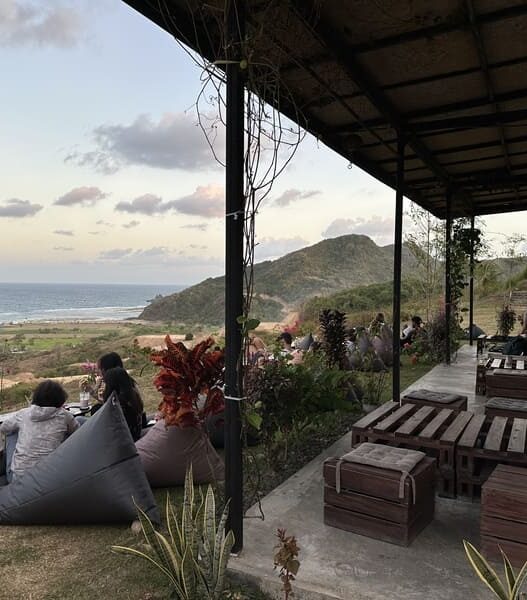
Wellspring by Silks, Jiaoxi, Taiwan
Brand partnerships remain the strongest revenue driver for most full-time travel bloggers.
These collaborations can involve hotels, airlines, tourism boards, travel apps, insurance companies, or lifestyle brands that want exposure to a travel-focused audience.
Brands are not paying purely for aesthetics. They are paying for reach, audience relevance, and storytelling that feels authentic.
This is why the ability to clearly present your audience, platforms, and past collaborations matters as much as follower count.
Most sponsored campaigns today include a mix of deliverables such as:
- Blog posts designed for long-term visibility
- Social media content across Instagram, TikTok, or YouTube
- Short-form video or reels tied to specific destinations or experiences
As competition increases, brands also expect creators to look professional and structured from the first contact.
A well-presented travel content creator media kit helps centralise your audience data, platforms, and past collaborations in one place, making it easier for brands and tourism boards to evaluate partnerships quickly and move forward.
2. Affiliate Marketing Through Travel Recommendations
Generated $4,000+ in sales for a brand in 90 days
Affiliate marketing allows travel bloggers to earn commissions by recommending products and services their audience already needs. This income stream scales particularly well because content can keep generating revenue months or even years after it is published.
Successful travel bloggers integrate affiliate links naturally into destination guides, hotel reviews, and planning content. When recommendations are genuinely useful and experience-based, audiences trust them and convert at much higher rates.
Over time, affiliate income often becomes one of the most stable revenue sources, especially for bloggers who focus on evergreen travel topics.
3. Display Ads And Blog Traffic Monetisation
Display advertising plays an important role in stabilising income for travel bloggers with strong organic traffic. Once a blog reaches consistent monthly visits, ads can generate predictable revenue without additional work per article.
Ad income depends largely on traffic volume, audience geography, and content type.
While ads rarely replace sponsorships or product sales on their own, they provide a reliable baseline that smooths out slower months and reduces pressure to constantly secure new brand deals.
4. Selling Digital Products And Travel Guides
In a hotel in CDMX, Mexico
Digital products give travel bloggers full control over pricing, messaging, and margins. They also shift monetisation away from algorithms and brand budgets toward direct audience support.
Common digital products in the travel niche include:
- Destination-specific guides and itineraries
- Packing lists, planners, and travel templates
- Educational products related to travel planning or photography
These products work best when they solve a clear problem and are closely aligned with the content the blogger already produces.
5. Travel Consulting And Personalised Services
Personalised services are a natural extension for travel bloggers who have built trust with their audience. Some travellers prefer tailored advice rather than generic guides, especially for complex trips or long-term travel plans.
Travel consulting can include itinerary planning, budgeting assistance, or destination research. These services typically generate higher revenue per client and work well alongside content-based income streams.
6. Video Monetisation On YouTube And Short-Form Platforms
Dolphin watching in Puerto Escondido, Mexico
Video has become central to travel content, particularly on YouTube, TikTok, and Instagram. YouTube offers direct monetisation through ads, while short-form platforms primarily support brand collaborations and discovery.
Travel bloggers who invest in video often combine multiple revenue sources:
- Platform ad revenue on YouTube
- Sponsored integrations within videos
- Affiliate links placed in descriptions
Over time, video content also strengthens personal branding and opens the door to higher-value partnerships.
7. Memberships, Subscriptions, And Exclusive Content
Some travel bloggers monetise their most engaged followers through memberships or paid subscriptions. This model prioritises depth over reach and works best when the creator has a loyal audience that values ongoing access.
Exclusive newsletters, private content, or community spaces can form the basis of a subscription offering. While this approach is not suitable for everyone, it can provide predictable recurring income and reduce reliance on brand deals.
8. Workshops, Courses, And Speaking Opportunities
Speaking at Hoi An Travel Massive's event.
After years on the road, you realise that what you've learned, from planning complex trips to building sustainable income – is valuable to others.
Workshops, courses, and speaking engagements become a way to share that knowledge while diversifying income beyond content alone.
These opportunities often come organically once you're seen as a trusted voice in your space. I experienced this firsthand when I was invited to join a panel discussion at Travel Massive in Hoi An. It wasn't about pitching or selling — it was about exchanging real experiences with other creators and industry professionals, from travel planning and content creation to monetisation and long-term sustainability.
Conversations like that highlight how education doesn't always start as a formal product. It often begins with showing up, sharing honestly, and building credibility over time.
For many bloggers, these moments eventually lead to structured workshops, online courses, or paid speaking roles. Not because they chased them, but because their experience spoke for itself.
Becoming a full-time travel blogger isn't about chasing every income stream available. It's about building a system where your content, audience, and monetisation support each other. When that foundation is solid, brand partnerships, affiliate content, ads, products, and services start working together instead of feeling scattered.
Clear positioning and professional presentation make a real difference – especially when it comes to collaborations.
A well-structured media kit doesn't just help you get taken seriously, it saves time and makes closing deals far more efficient. Over time, this consistency creates space to think beyond short-term income and focus on investing, long-term stability, and real financial freedom.
That's how you build a location-independent career while travelling – not by hustling endlessly, but by setting up systems that keep working whether you're on the road or not.