





After years of living out of a suitcase, I've learned one thing the hard way: the wrong outfit can ruin a travel day faster than a delayed flight.
I've done long-haul flights in stiff jeans that cut circulation, city days in trainers with zero support, and road trips where I packed “nice” clothes that never left my bag.
I've also had those rare, perfect days — stepping off a flight, hiking a coastal trail, grabbing dinner in the city later — all in the same outfit, without needing to change once.
Travel in 2026 demands more from what we wear than ever before.
A single outfit now has to survive airport layover, changing climates, urban walking, spontaneous hikes, and even a few hours of remote work in between. What matters is comfort you can move in, materials that handle heat and cold, and pieces that still look presentable when you arrive.
As travel has become more fluid — part road trip, part city break, part outdoor adventure — my clothing choices have shifted towards smart, technical essentials with clean lines. The best travel outfit in 2026 balances comfort, function, and understated style, allowing you to move seamlessly from plane to pavement, from hiking trail to café, without feeling underdressed or uncomfortable.
Why Travel Outfits Need To Be Smarter In 2026
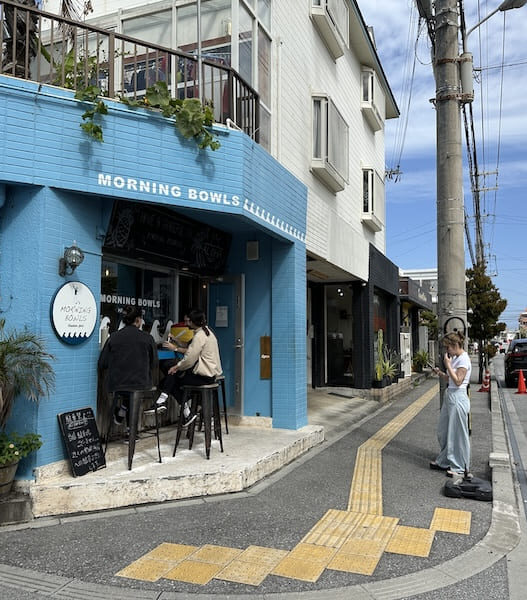
American Village, okinawa, japan
I remember one autumn day in Okinawa, where the weather kept me guessing. The morning was cool enough for a light jacket, by midday the sun made it feel almost like summer, and then the coastal wind rolled in as evening approached. In just a few hours, I'd gone from wandering shops and cafés to strolling along the seaside and back out for dinner — all without the chance to stop and change.
That day really reminded me how travel has changed. We move through so many different environments in a single day, often carrying everything we need with us. Clothes that can't adapt just make life harder. Stretch, breathability, durability, and pockets for the small essentials aren't just nice extras anymore — they're essential.
For me, the outfits that work best now are those that quietly handle all of this. Soft fabrics that keep you comfortable whether you're walking for miles or sitting on a long train, materials that don't crease after hours in transit, and layers that can be added or removed without fuss — these little things make a huge difference.
Style matters too, but not in a flashy way. I don't want to look like I've just come from a hike if I'm heading into a café or wandering city streets. The best travel outfits now feel effortless: practical enough for unpredictable weather, but still like you thought a little bit about what you're wearing.
That day in Okinawa was a small lesson in what really matters: travel clothes should just work, without getting in your way. The smarter your outfit, the more you can focus on exploring, not fussing.
The Ideal Travel Outfit Starts With A Strong Base Layer
Hawa Mahal In Jaipur, India
After years of travelling across very different climates, I've learned that almost every outfit that works on the road starts with the base layer.
I've worn cheap cotton t-shirts during my travel in Koh Phangan, Thailand that felt fine in the morning but were soaked, stretched, and uncomfortable by midday.
I've also made the mistake of packing tops that looked good in photos but became useless once I hit long a train ride in Europe. A good base layer quietly does the hardest job — and when it's right, you barely notice it.
At its core, the ideal base layer for travel is lightweight, breathable, and designed to regulate temperature. I now rely on technical t-shirts or long-sleeve tops made from moisture-wicking fabrics rather than standard cotton. They feel soft against the skin but keep their structure after long days of walking, sitting, and layering.
Neutral colours like black, charcoal, olive, or muted earth tones have consistently worked best for me, whether I'm moving through airports or exploring cities like Paris, Tokyo, or Barcelona — they hide wear, don't show sweat easily, and always look put together.
For Long Flights And Transit Days
On long-haul flights, the base layer makes or breaks the day. I've flown overnight from London to New Zealand, then straight into travel days without changing, and the difference between a good and bad base layer is huge. The right one stretches slightly, breathes well, and doesn't feel stiff or clingy after hours in a plane seat.
Most importantly, it still looks presentable when you land and head straight into a café or train station, instead of feeling like something you should immediately change out of.
For Hot Climates And Urban Exploring
In warm destinations, the base layer often becomes the main outfit. In humid cities like Bangkok, Manila, and Kuala Lumpur, I've worn the same technical t-shirt for full days of walking, public transport, and sightseeing.
Compared to cotton, it dries faster, feels lighter, and doesn't trap heat against your skin. When you're exploring on foot all day — especially in Southeast Asia — that difference is massive and quickly becomes non-negotiable.
For Layering In Cooler Weather
With our trusty campervan in New Zealand!
What makes a base layer truly travel-ready is its ability to adapt.
I've worn the same long-sleeve base layer under a jacket while road-tripping through New Zealand's North Island, then again on mornings in Switzerland and Austria. It needs to be thin enough to layer without bulk, but structured enough to wear on its own without looking like thermal wear.
This kind of versatility reduces packing and makes planning outfits far easier.
For Light Hiking And Active Days
Breast Hill, New Zealand
For hikes and active travel days, a proper base layer is essential.
I've learned this the hard way on trails in Colombia and hikes around Bolivia, where casual tops quickly became heavy and uncomfortable. A technical base layer manages sweat better, reduces chafing, and stays comfortable even when plans shift from hiking to lunch in town. That flexibility is exactly what makes it so valuable when you're travelling without a fixed schedule.
A strong base layer isn't the most exciting piece in a travel outfit, but it's the most important. When it fits well and performs properly, everything else — jackets, trousers, shoes — simply works better around it.
Mid Layers That Adapt To Movement And Climate
Mid layers are essential for temperature control during travel. Cabins are cold, terminals are warm, and the weather can change quickly.
A technical hoodie or lightweight insulated jacket offers flexibility without bulk.
In 2026, travellers favour mid layers with clean silhouettes and minimal detailing. Features such as zippered pockets, adjustable collars, and stretch panels enhance comfort without making the garment feel heavy or restrictive. These layers should be easy to remove and carry when not needed.
Outerwear That Works Across Environments
Amsterdam during winter
Outerwear is the piece I've misjudged the most while travelling — and paid for it every time.
I've arrived in Amsterdam with a jacket that looked great in photos but failed the moment the wind picked up. I've also overpacked heavy coats for Morocco, only to realise they stayed in my bag while I layered and peeled throughout the day.
After years on the road, I've learned that the best travel outerwear isn't about extreme performance or fashion statements — it's about adaptability.
In 2026, the ideal travel jacket is lightweight, packable, and quietly weather-resistant. It needs to handle wind, light rain, and temperature swings without looking overly technical. The jackets I reach for now are the ones that disappear into my outfit — they work in airports, cities, cafés, and on the move, without ever feeling out of place.
For Cold, Windy, And Unpredictable Conditions
In places like Iceland, outerwear becomes survival gear. I learned quickly that warmth alone isn't enough — wind resistance matters just as much.
A streamlined jacket with proper insulation, a structured hood, and a longer cut made all the difference when exploring through Reykjavik or along exposed coastal roads. The key was finding something technical enough to protect me, but clean enough that I didn't feel like I was wearing full hiking gear in town.
For Desert Climates And Layering Flexibility
Ideal Desert Camp
Travelling through Morocco taught me a different lesson.
Mornings in the Atlas Mountains were cold, afternoons in Marrakech were warm, and evenings cooled quickly again. A bulky jacket would have been a nightmare. Instead, a lightweight outer layer that I could easily zip on and off — or throw over my shoulders — worked perfectly.
Breathability mattered more than insulation, and neutral colours blended effortlessly into urban and traditional settings alike.
For Road Trips and Everyday Movement
Rottnest Island, Australia
On long road trips through Australia, I relied on outerwear that could handle constant movement. Getting in and out of cars, stopping at coastal towns, walking through cities — the jacket needed to be flexible, not restrictive.
Packability became crucial too. Being able to fold it into my backpack meant I wasn't stuck carrying it all day when the temperature rose.
For Tropical Weather And Light Protection
Even in warm destinations like Hawaii, outerwear still plays a role. Early mornings, breezy coastlines, and sudden rain showers meant a light, water-resistant layer was always useful.
I've worn the same minimal jacket over swimsuits, casual dresses, and travel trousers without it ever feeling wrong. The best part was how effortlessly it transitioned from beach walks to dinner without screaming “outdoor gear”.
A well-designed travel jacket in 2026 should feel intentional but understated. It shouldn't dominate your outfit or lock you into one type of environment. The right outerwear moves with you — across climates, cultures, and daily plans — without ever demanding attention.
Pants Designed for Long Days of Movement
Pants are one of the most important components of a travel outfit.
You need freedom of movement, durability, and comfort during extended wear. Technical pants with stretch fabrics and tapered cuts offer the best balance.
Cargo-style or tactical-inspired pants are especially popular in 2026 because they provide discreet storage without compromising style. Pockets designed for passports, phones, or travel documents reduce the need for bulky bags and keep essentials secure and accessible.
The Importance Of Smart Storage
Storage is a defining feature of the best travel outfits.
Travellers carry phones, wallets, documents, chargers, and sometimes small tools. Integrating storage into clothing reduces clutter and increases efficiency.
A well-placed belt system plays a key role here. A functional tactical belt provides stability, adjustability, and support for travel pants while adding a subtle utility element.
Footwear That Prioritises Comfort and Versatility
Shoes can make or break a travel experience. In 2026, the best travel footwear is lightweight, cushioned, and versatile enough to handle long walks, standing in lines, and navigating different surfaces.
Minimalist sneakers or lightweight boots with breathable materials and neutral designs work best. Shoes should be easy to remove for security checks and comfortable enough for all-day wear without sacrificing appearance.
Accessories That Enhance Travel Efficiency
Accessories should be minimal and purposeful. A compact crossbody bag or sling keeps essentials close without weighing the traveller down. Hats, lightweight scarves, or gloves can add comfort depending on climate without taking up much space.
The key is restraint. The best travel outfits feel streamlined, not overloaded.
Why Style Still Matters for Travellers
Looking good while traveling is not about vanity. It affects confidence, comfort, and how easily travellers move through different environments. Clean, modern outfits are more versatile and socially adaptable.
Travel clothing in 2026 reflects a shift toward intentional living. Each piece serves multiple purposes, reducing the need for outfit changes and excess luggage.
Where Modern Travellers Find Functional Style
As travel and daily life increasingly overlap, many travellers look toward modern techwear for solutions. Platforms like Cyber Techwear | Official focus on functional, future-oriented apparel designed for movement, durability, and clean aesthetics.
The best outfit for travellers in 2026 is not defined by trends, but by adaptability. Comfort, functionality, and modern style must coexist in every piece. When clothing supports movement, storage, and confidence, travel becomes easier and more enjoyable.
By choosing versatile layers, technical materials, and thoughtful accessories, travellers can move freely through the world without compromising comfort or appearance. In an era where mobility defines modern life, the right travel outfit is no longer optional. It is essential.