







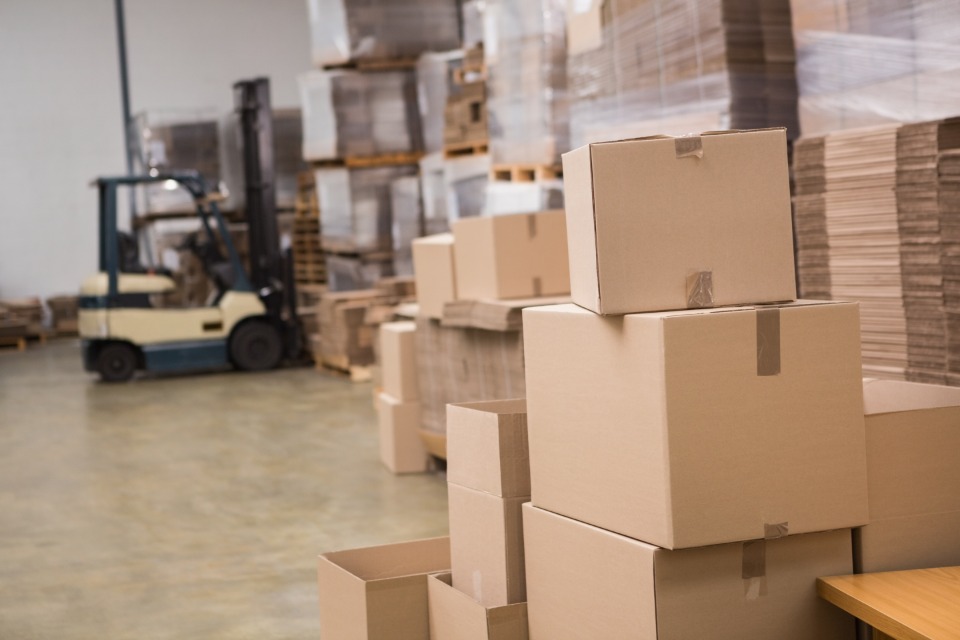
For businesses that ship products regularly, damaged goods can create a chain reaction of costly problems. Returns, replacements, customer complaints, and negative reviews all stem from products arriving in less-than-perfect condition. While some shipping risks are unavoidable, many instances of damage can be prevented through careful planning and operational improvements.
Implementing strategies for reducing product damage during shipping not only protects inventory but also strengthens customer trust and improves profitability. By examining packaging methods and logistics practices, businesses can significantly decrease the likelihood of products being damaged before reaching their destination.
Understand the Most Common Causes of Shipping Damage
Before businesses can reduce product damage, they must understand why it happens in the first place. Products often encounter multiple handling points during transportation, including warehouses, sorting facilities, delivery vehicles, and customer doorsteps.
Damage frequently occurs because of inadequate packaging, improper stacking, excessive movement inside boxes, environmental conditions, or rough handling. Even a well-made product may become damaged if it lacks sufficient protection throughout the shipping journey.
Conducting regular reviews of returned or damaged shipments can help identify patterns and recurring issues. Once businesses know where vulnerabilities exist, they can develop targeted solutions to address them.
Select Packaging That Matches the Product
One of the most effective ways to prevent damage is choosing packaging that fits the product's specific needs. Products vary significantly in size, weight, fragility, and shape, meaning a one-size-fits-all approach rarely works.
Heavy items require sturdy materials that can withstand compression and stacking pressure. Fragile products need cushioning that absorbs impacts and prevents movement. Irregularly shaped products may need custom inserts or dividers to keep them secure.
Businesses looking to improve packaging performance often evaluate the benefits of custom shipping boxes when determining how to reduce movement and improve overall package integrity.
The goal is to create a package that protects the product without adding excessive bulk or unnecessary materials.
Eliminate Excess Space Inside Packages
A common packaging mistake is using boxes that are significantly larger than the products they contain. Excess space allows products to shift during transportation, increasing the likelihood of impacts and breakage.
Void fill materials such as air pillows, packing paper, foam inserts, and molded packaging can help reduce movement. However, selecting the correct box size remains equally important.
Products should fit securely inside the package while still allowing enough room for protective cushioning. Reducing internal movement minimizes stress on products throughout the shipping process.
Proper package sizing also helps lower shipping costs by reducing dimensional weight charges and unnecessary material usage.
Invest in Quality Cushioning Materials
Not all cushioning materials provide the same level of protection. Businesses should carefully evaluate which materials work best for their products and shipping environments.
Foam inserts offer excellent protection for fragile electronics and sensitive equipment. Bubble wrap can help absorb impacts for smaller items. Molded pulp packaging provides environmentally friendly protection while maintaining structural support.
The cushioning material should be appropriate for the product's weight and vulnerability. Heavy products may compress lightweight cushioning materials, rendering them ineffective during transit.
Testing different options can help determine which materials provide the highest level of protection while maintaining reasonable packaging costs.
Train Employees on Proper Packing Procedures
Even the best packaging materials can fail if products are packed incorrectly. Employee training plays a critical role in ensuring consistency and quality throughout fulfillment operations.
Packing teams should understand proper box assembly, cushioning placement, sealing methods, and product positioning. Standardized packing procedures help reduce errors and ensure every shipment receives the same level of care.
Training programs should also address handling practices inside warehouses. Products can sustain damage before shipping if employees stack, move, or store items improperly.
Regular audits and quality checks help reinforce best practices and identify opportunities for improvement.
Strengthen Carton Sealing Methods
Weak or improperly sealed packages are more susceptible to damage during transportation. Packages that open during transit expose products to impacts, contamination, and loss.
Businesses should select high-quality packing tape that matches the weight and size of the package. Reinforced tape may be necessary for heavier shipments.
The H-taping method, which seals both center and edge seams, provides additional strength and stability. Automated sealing equipment can also improve consistency in high-volume fulfillment environments.
Strong seals help maintain package integrity throughout the shipping process and reduce the risk of accidental openings.
Conduct Packaging Performance Testing
Assumptions about packaging effectiveness can lead to costly mistakes. Testing provides valuable data about how packages perform under real-world conditions.
Many companies conduct drop tests, vibration tests, compression tests, and environmental simulations to evaluate package durability. These tests reveal weaknesses that may not be obvious during normal operations.
Testing allows businesses to make adjustments before packaging failures affect customers. It can also identify opportunities to optimize packaging without sacrificing protection.
Regular evaluations ensure packaging solutions continue meeting evolving shipping requirements and product demands.
Improve Warehouse Handling Practices
Shipping damage often begins long before products leave the warehouse. Poor storage and handling procedures can weaken packaging or damage products before transit even starts.
Employees should be trained to handle products carefully, use proper lifting techniques, and avoid stacking items beyond recommended weight limits.
Warehouses should maintain organized storage systems that minimize unnecessary product movement. Clear labeling and designated storage zones can help prevent accidental mishandling.
Investing in warehouse efficiency contributes significantly to product protection throughout the fulfillment process.
Choose Reliable Shipping Partners
Shipping carriers play an important role in the condition of products upon arrival. While no carrier can eliminate every risk, selecting reliable logistics partners can reduce damage rates.
Businesses should monitor carrier performance metrics, including damage claims, delivery times, and customer feedback. Comparing carriers periodically can reveal opportunities for improvement.
Working closely with shipping providers also allows businesses to understand carrier requirements and packaging recommendations.
Strong partnerships can lead to better communication, improved handling practices, and more effective damage prevention strategies.
Use Clear Labeling and Handling Instructions
Labels provide valuable information that can help carriers and handlers treat shipments appropriately.
Packages containing fragile items should be clearly marked. Orientation labels indicate which side should remain upright. Specialty labels may identify temperature-sensitive or hazardous products.
While labels cannot guarantee careful handling, they provide important guidance throughout the shipping process.
Combining proper labeling with strong packaging creates multiple layers of protection for sensitive shipments.
Building a Stronger Shipping Process
Implementing strategies for reducing product damage during shipping requires a combination of thoughtful packaging, employee training, operational consistency, and ongoing evaluation. While no shipping process can eliminate every risk, businesses that proactively address common causes of damage can significantly improve outcomes.
By selecting appropriate packaging, minimizing product movement, improving handling practices, and partnering with reliable carriers, companies can protect their products throughout the transportation journey. The result is fewer returns, lower replacement costs, happier customers, and a stronger reputation in an increasingly competitive marketplace.
The post Strategies for Reducing Product Damage During Shipping appeared first on MoneyMiniBlog.