





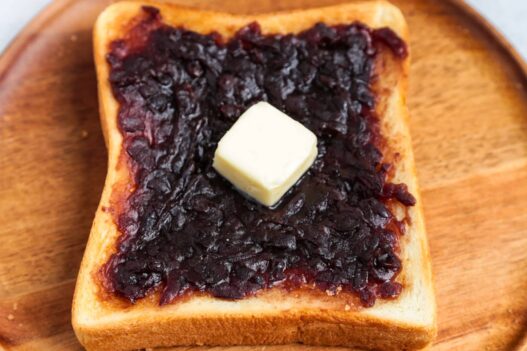
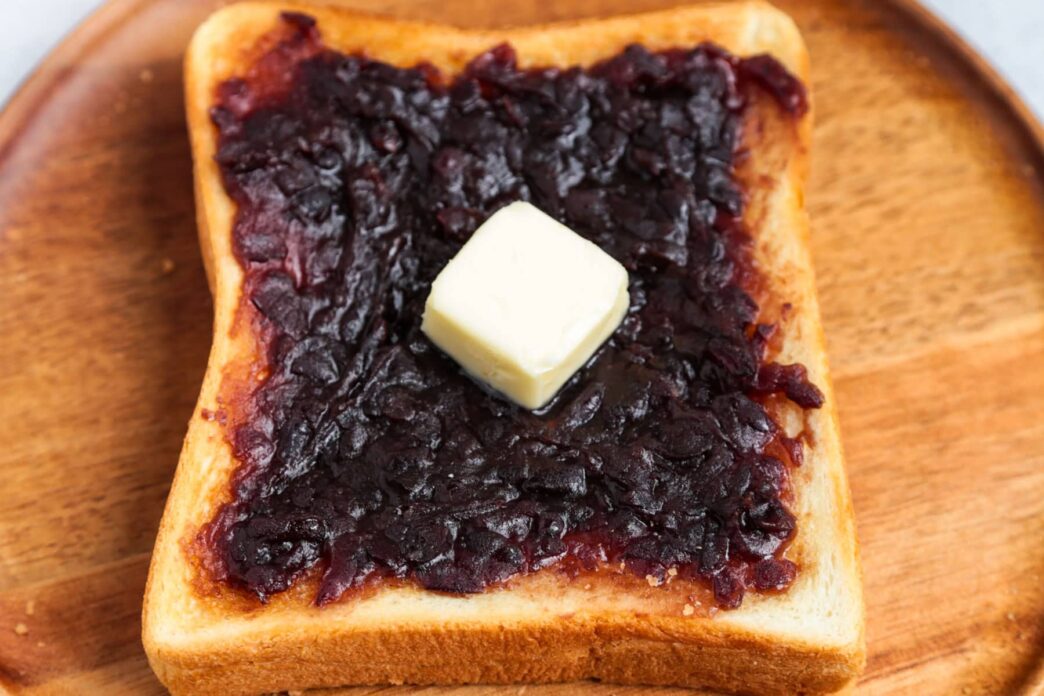
Buttery, fluffy, and sweet, ogura toast is one of my favorite Japanese breakfasts to make when I want something easy and satisfying. Thick slices of Japanese milk bread are toasted and topped with salted butter and sweet red bean paste to create the perfect sweet morning treat.
Ogura toast is a simple Japanese café classic made with thick slices of shokupan, butter, and sweet anko.
What makes it so good is the contrast between the salted butter and the mellow sweetness of the beans. The first layer of butter melts into the toast, the anko warms up in the oven, and the final pat of butter on top gives it that rich and decadent finish.
It's cozy, quick, and perfect for breakfast, brunch, or an afternoon snack. And if you already have anko in the fridge, there's barely any prep involved.
What is Ogura Toast?
Ogura toast is a Japanese toast topped with butter and anko. It is especially popular in Nagoya, where it is often served in cafés as part of a morning set with coffee.
The recipe is very simple, but it has a distinct flavor. Anko has an earthy sweetness that tastes different from jam or chocolate spread, closer to something like chestnuts. Paired with toast and salted butter, it gives more of a breakfast feel than a dessert.
Ogura Toast Ingredients
- Japanese milk bread. Use thick slices of Japanese milk bread, also called shokupan. I like slices that are about 1 inch thick because they stay soft in the middle after toasting.
- Salted butter. Salted butter is important because it balances the sweetness of the anko. Make sure it is softened to room temperature so it spreads easily without tearing the bread.
- Anko. Anko is sweet red bean paste made from adzuki beans and sugar. You can use tsubuan, which is chunky, or koshian, which is smooth. I personally like tsubuan for ogura toast because the chunky texture makes each bite more interesting. You can use store bought anko or make your own anko at home.
Variations
- Add a light dusting of kinako (roasted soybean flour) for a nutty flavor.
- Sprinkle a few toasted sesame seeds on top for a little crunch and nuttiness.
- Serve it with some whipped cream or a scoop of vanilla ice cream if you want to turn it into something closer to a pancake or a dessert.
How to Make Ogura Toast
Scroll down to the recipe card for the full recipe.
- Start by toasting the bread until it's golden, then layer on butter and a generous amount of anko.
- Give it a quick warm-up in the oven to warm up the red bean paste.
- Finish with a little more butter on top, let it melt, and enjoy!
Recipe Tips
- Soften the butter first. Cold butter can tear the surface of the toast and make it harder to spread evenly.
- Use salted butter. The slight saltiness adds depth of flavor and balance to the sweet red bean paste.
- Don't leave it in the oven too long. The goal is to warm the topping and bring everything together, not dry out the bread.
What to Serve with Ogura Toast
Ogura toast is lovely with hot coffee, bubble tea, royal milk tea, or a matcha latte. The slight bitterness of tea and coffee pairs especially well with anko.
In coffee shops, it's often served with a small side salad topped with a wafu dressing, cut fruits, or strawberry jam on the side.
Have leftover anko? Use it to make taiyaki or dorayaki, two classic Japanese sweets that are just as lovely with coffee or tea.
Storage and Reheating
Ogura toast is best eaten right away, while the butter is melted and the bread is still warm.
If you have leftovers, keep them in an airtight container in the fridge for up to 1 day. Reheat in a toaster oven or regular oven until warm. I don't recommend microwaving it because the bread can turn chewy.
Print
Ogura Toast
- Prep Time: 5 minutes
- Cook Time: 5 minutes
- Total Time: 10 minutes
- Yield: 1 toast 1x
- Category: Breakfast
- Method: toasting
- Cuisine: Japanese
- Diet: Vegetarian
- Turn the oven on to 180ºC (360ºF)
- Toast the bread in a toaster or toaster oven until it's golden.
- Spread 1 tablespoon of butter over each toast.
- Spread 3 tablespoons of anko over each toast.
- Put the slices on a baking sheet and toast in the oven for 3 minutes.
- Transfer each slice of toast to a plate and top with the leftover 1 tablespoon butter. Let it melt for a few seconds and serve.
Notes
- Use salted butter for the best flavor.
- Both chunky and smooth anko work for this recipe.
- Soften the butter before spreading.
- Serve immediately, while the toast is warm.
Nutrition
- Serving Size: 1 toast
- Calories: 445
- Sugar: 25g
- Sodium: 410mg
- Fat: 23g
- Saturated Fat: 12g
- Unsaturated Fat: 2g
- Trans Fat: 0g
- Carbohydrates: 12g
- Fiber: 4g
- Protein: 2g
- Cholesterol: 62mg
Frequently Asked Questions
Yes. The texture won't be quite the same as shokupan, but the recipe will still work. Choose a soft white bread that can be cut into thicker slices.
Yes. A toaster oven works very well. You can also skip the second toasting step, but warming the anko makes the toast taste better.
I don't recommend assembling it ahead of time because the toast will soften as it sits. If you want to prep in advance, keep the anko in the fridge and let the butter soften before you start. The toast itself is best made right before serving.
Anko is sold at most Japanese and Asian grocery stores, usually in cans, bags, or small plastic tubs. You can also find it online. Look for “sweet red bean paste” on the label.