



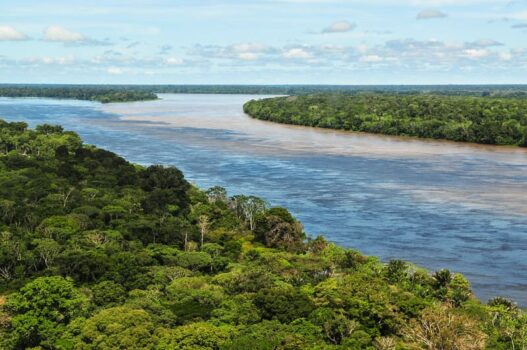
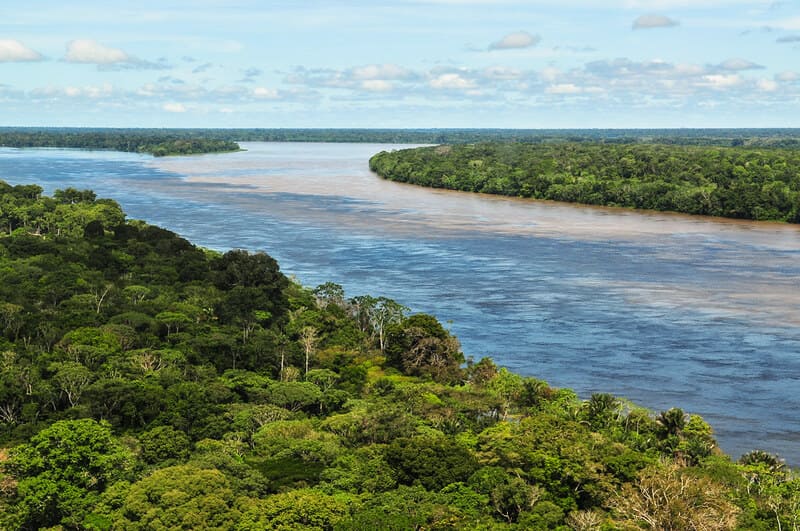
There is a moment, somewhere between booking a flight to Iquitos and actually stepping onto a skiff at dawn with the river mist still sitting low over the water, when the Amazon stops feeling like a destination and starts feeling like a decision you made about yourself. Not a bucket list tick. Something slower and more deliberate than that.
I didn't fully understand what I was signing up for until I was already there. I'd done the research, chosen the itinerary, packed the lightweight layers — and I still arrived underprepared for how completely the river operates on its own terms.
One thing I was glad I'd sorted before leaving was a reliable international eSIM. Iquitos is reachable only by air or river, and navigating a city with no road connection to the outside world while trying to manage bookings, check weather conditions, and stay in contact with family is not the moment to be scrambling for local connectivity.
If you're heading to Peru or anywhere else in South America, it's worth adding to your pre-trip checklist alongside the rest of your year-end travel planning.
The Amazon does not care about your bucket list. It moves to its own rhythm — rising, flooding, retreating — and your itinerary has to move with it. When you understand that rhythm first, choosing the right route becomes much simpler.
High Water Vs Low Water On An Amazon River Itinerary
Amazon river
Water levels shape everything. During high-water season, usually December through May, tributaries swell and flood the forest floor, letting skiffs glide between tree trunks.
High water means deeper access into otherwise unreachable areas. For you, that translates to quiet canoe rides through mirror-like lagoons and closer looks at canopy wildlife. Low-water season, typically June through November, reveals sandy riverbanks and narrow channels where pink river dolphins and wading birds are easier to spot.
Neither is better. One feels immersive and aquatic. The other feels raw and wildlife-focused.
How Long Should You Go
3 nights offer a meaningful introduction, with sunrise skiff rides, guided jungle walks, and perhaps a night safari.
4 nights create space to slow down and truly absorb the sounds of the forest. Seven nights transform the experience, as you begin recognizing bird calls and noticing subtle shifts in the river's color and light.
A luxury Amazon River cruise becomes your floating basecamp, reaching remote tributaries, pairing you with expert naturalists, and turning three, four, or seven days into a deeply immersive rainforest expedition.
Choosing Wildlife And Activity Priorities
River Cruise in Budapest
Start by asking yourself one honest question. Do you want adrenaline, or observation?
If activity level matters, consider how each itinerary balances movement and rest. Some cruises emphasise kayaking and jungle treks, while others focus on expert-led skiff explorations and lectures.
Before booking, ask operators:
- What is the average group size
- Are guides local naturalists or general staff
- How do you engage with nearby communities
Travelling in smaller groups often mean quieter wildlife encounters. Local guides often mean richer storytelling.
Embarkation Hubs And Practical Planning
Backpacking
Most Peruvian Amazon itineraries begin in Iquitos — a city of half a million people with no road connection to anywhere else in the country, reachable only by air or river. That isolation is part of what makes it feel genuinely remote even before you board a boat. It also means that practical planning matters more than it would for a destination with more infrastructure.
Health preparation is non-negotiable.
Review routine vaccines well in advance and consider Yellow Fever protection, which is recommended for Amazon regions and required for entry to some countries if you're continuing to other parts of South America.
This is the kind of preparation that fits naturally into a broader approach to building travel routines that support your health rather than depleting it — the same mindset that applies to packing right, sleeping across time zones, and giving your body what it needs in high-humidity environments.
On packing: lightweight long sleeves are not optional. The Amazon is humid, the insects are persistent, and the most effective protection is physical coverage rather than relying entirely on repellent. Quick-dry layers, a headtorch, good waterproof bags for camera gear, and river shoes or sandals that can get wet without being ruined.
Packing for an expedition environment is a specific discipline — the same gear philosophy that works for a beach trip or a European city break fails in a flooded forest.
The right Amazon River itinerary is not about checking species off a list or collecting the most dramatic story. It is about aligning season, length, wildlife focus, and pace with who you are as a traveller at this particular point in your life.
If you are somewhere in the process of building a life that has more travel in it — whether that means a location-independent career, longer sabbatical trips, or simply becoming more deliberate about how you use the time you have — the Amazon is the kind of destination that clarifies things.
Start by clarifying what encounter you're looking for: immersive, active, or reflective. Then line that up with the season, the duration, and the operator's approach. The Amazon River itinerary that fits those answers will feel less like a vacation and more like a conversation with somewhere that has been here long before you and will be here long after.
That's the trip worth planning for.