

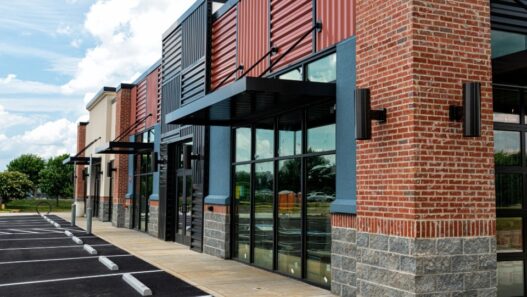




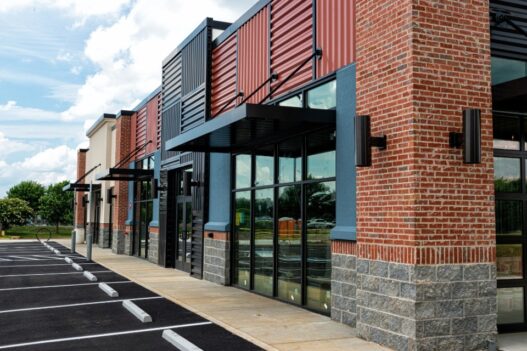
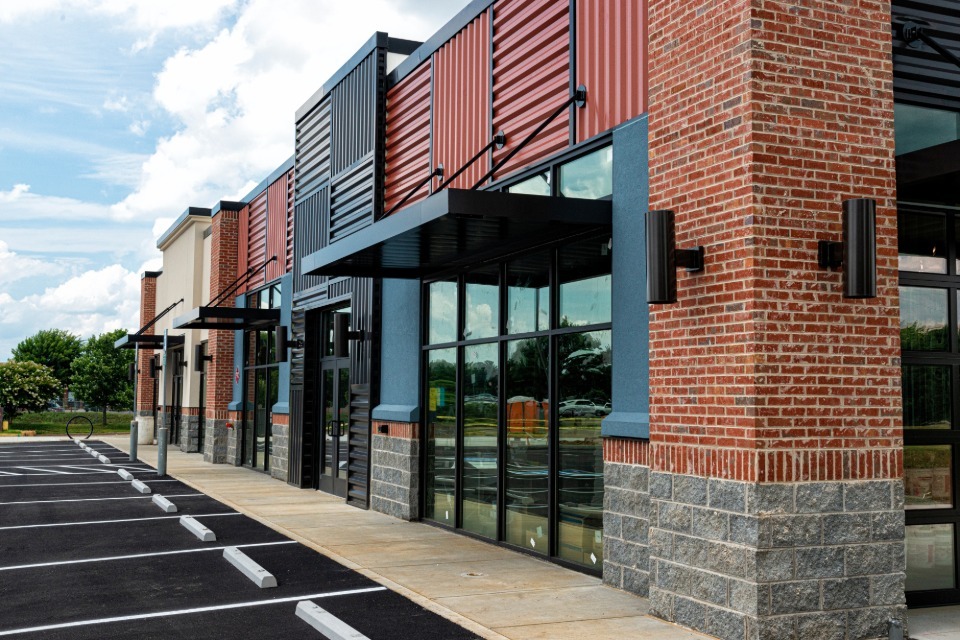
Commercial real estate has a way of looking calm and professional while quietly running an obstacle course behind the scenes. The photos show clean lines, fresh paint, and a tenant logo that screams “reliable.” The reality lives in lease clauses, deferred maintenance, and a parking lot that might be more valuable than the building.
Before investing in commercial real estate, there are many things to consider, from the lease to the location and more. Keep reading for a comprehensive breakdown of the key factors of a commercial real estate investment.
1) Start With the Tenant, Not the Tile
In commercial properties, tenants drive outcomes. A beautiful space with a fragile tenant profile can turn into an expensive vacancy faster than you can say, “build-out allowance.” Look at the tenant's business model and durability, not just their brand. A trendy concept can burn hot and fade; a boring operator with recurring demand can quietly pay rent for years.
Evaluate how the tenant makes money, what could disrupt them, and how sensitive they are to economic cycles. If you can't explain their revenue in plain language, you're not ready to underwrite their rent.
2) Read the Lease Like It's the Product
Residential investing revolves around the unit. Commercial investing revolves around the lease. Lease structure determines who pays for what, how rent grows, and what happens when something breaks. A gross lease puts more operating costs on the landlord; a net lease shifts expenses to the tenant, typically in exchange for different rent economics.
The details matter, especially around maintenance responsibilities, insurance, common area costs, and escalation language. Pay attention to renewal options, termination rights, and rent bumps.
3) Underwrite the “Boring” Line Items with Aggressive Honesty
Commercial investors love talking about cap rates and net operating income. The trap is using optimistic inputs that feel reasonable until you own the building. Vacancy assumptions need to match the property type, the local market, and the tenant mix. Expense assumptions need to reflect actual operating history, not a spreadsheet template.
Property taxes can reset after a sale in many jurisdictions, and insurance costs can jump materially, especially in markets facing climate-related risks. If you want a stress test that matters, model a scenario where costs rise, and leasing takes longer than you expect. If the deal only works when everything goes right, it isn't a deal—it's a motivational poster.
4) Treat Capital Expenditures as a Schedule, Not a Surprise
Another thing to consider when investing in commercial real estate is the cost of future maintenance and service. Roofs, HVAC systems, parking lots, elevators, fire/life safety upgrades, and ADA compliance can arrive with price tags that dwarf a few months of rent. Ask for maintenance records and service contracts. Walk the property with a professional who knows what failure looks like in year eight, not just what “fine for now” looks like in year one.
This is also where age and construction type matter more than vibes. A building can look “modern” while operating like it's one storm away from chaos. Your underwriting should treat the physical plant like a machine that wears down on schedule.
5) Location Still Wins, But Micro-Location Decides the Rent
Everyone knows location matters. In commercial real estate, the nuance is that micro-location frequently decides whether you can keep tenants. Think about access, visibility, traffic patterns, and the daily friction of getting in and out of the property.
For business offices, proximity to transit and amenities can influence leasing velocity. For retail, turning lanes and parking usability can determine sales. For industrial, truck access and proximity to highways often matter more than the zip code prestige.
6) Financing Terms Can Make a Great Property Feel Bad
Commercial loans don't behave like 30-year fixed residential mortgages. You'll usually face shorter terms, interest rate resets, balloons, or refinancing needs on a schedule that does not care about your feelings. Evaluate debt service coverage with cushion, not hope. Consider what happens if rates rise at refinance, or if income dips due to a vacancy event.
Also, understand your covenants. Some loans include financial tests that can trigger cash sweeps or limitations on distributions. The “return” you calculate can differ from the cash you can tangibly access.
7) Know the Exit Before You Enter
Commercial properties don't sell on the same emotional wave as homes. They sell when the income story looks predictable, and the buyer can underwrite it confidently. That means your exit depends on lease duration, tenant quality at sale, and market pricing. If you buy a property with a lease rolling soon, you may need to execute leasing and stabilization before you can exit at an attractive valuation.
If you buy at a low cap rate, you may need income growth to protect your downside. Plan multiple exits: selling stabilized, refinancing after improvements, or holding through lease rollover. If only one path works, you carry more risk than you think.
8) Management Quality Is a Revenue Strategy
In commercial real estate, management doesn't just maintain the property—it influences retention, renewals, and tenant satisfaction. A responsive property manager reduces friction that can otherwise push tenants to shop with competitors. Strong management also keeps expenses from drifting upward and catches maintenance issues before they become capital disasters.
If you self-manage, treat it like a real operating business with systems, vendor relationships, and documented processes. If you hire management, evaluate their tenant communication style and their approach to preventative maintenance, not just their fee.
9) Add Value with Amenities That Actually Change Behavior
Value-add isn't only new countertops and fresh paint. In commercial properties, the best upgrades either increase revenue, reduce vacancy, or make the asset meaningfully easier to lease. A meaningful addition to consider for a commercial property is a series of electric vehicle (EV) charging stations.
EV charging stations are becoming a must in commercial businesses as more people adopt the electrification model and want the opportunity to charge their car when they're at work, shopping, or whatever it is they're doing at the commercial location. In retail settings, they add dwell time, which can translate into more spending. In office environments, it can support tenant retention by making commuting easier for employees. In mixed-use and hospitality, charging can become a competitive differentiator rather than a nice-to-have.
10) Do Due Diligence Like You're Buying the Problems, Not the Building
Every commercial property comes with problems. Your job is to discover which problems you can price, manage, and solve—and which ones you can't. Review leases, estoppels, and rent rolls with the skepticism of someone who knows spreadsheets can lie.
Confirm actual collections. Verify expense history. Order inspections and environmental assessments appropriate to the asset type and prior uses. Check zoning and permitted uses, especially if you plan to reposition the property or change tenants.
The Bottom Line: Commercial Rewards Specificity
Commercial real estate can deliver durable returns, but it doesn't tolerate casual assumptions. When you treat leases as the product, tenants as the engine, capex as inevitable, and amenities as strategy—not decoration—you set yourself up for outcomes that look boring in the best way. The blueprint for success is to approach commercial real estate investing with discipline and planning, so you rely less on luck and more on structure.
The post What To Consider When Investing in Commercial Real Estate appeared first on MoneyMiniBlog.