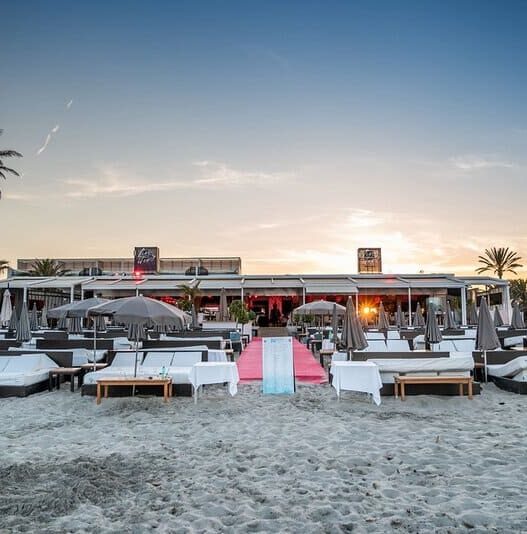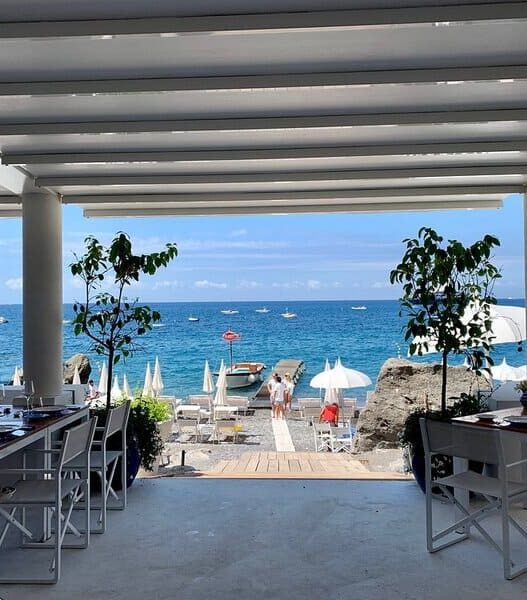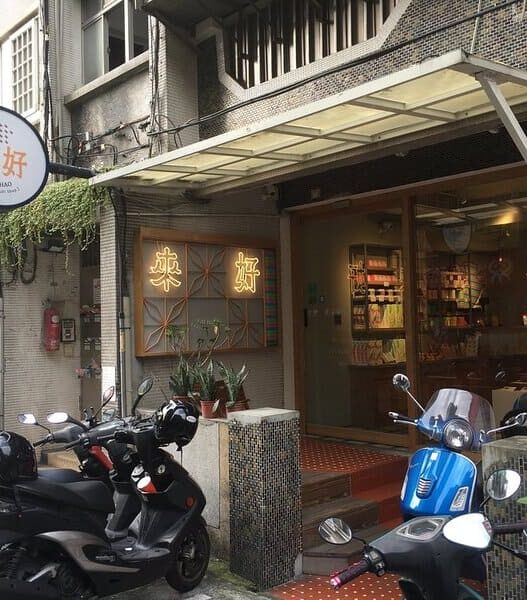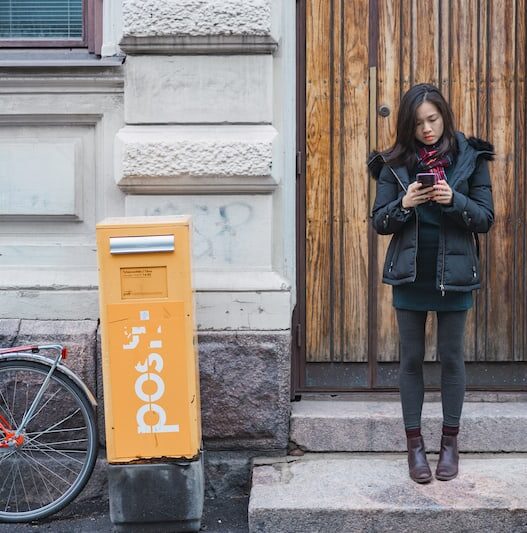





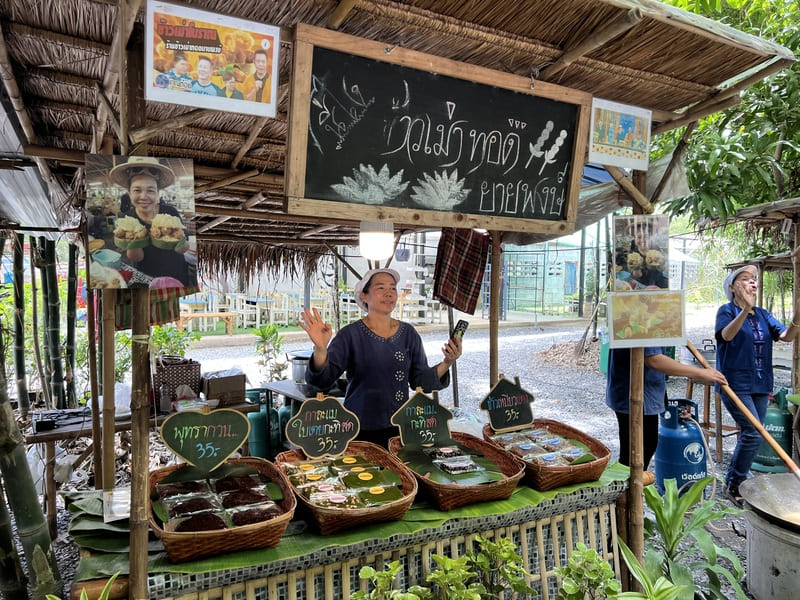
Most people assume you need a fixed location to run a pop-up, but for digital nomads, movement is often what makes it possible.
Unlike opening a permanent venue, pop-ups fit naturally into a lifestyle built around short stays, flexible schedules, and temporary setups.
From firsthand experience, the success of running pop-ups on the road depends less on creativity and more on planning.
Each country treats temporary food, retail, or experience-based pop-ups differently, and understanding local rules is essential.
Some destinations with digital nomad visas make it easier to stay longer and build connections, while others require quick, one-off events that align with short visas or tourist stays. Knowing what is allowed — and where the grey areas are — makes all the difference.
For many travellers, pop-ups are not about replacing remote income entirely, but about adding another stream that supports long-term travel and lifestyle freedom.
Digital nomad events and meet-ups often play a bigger role than expected. Cities with strong nomad communities make it easier to find venues, collaborators, and an audience in a short time. These events become informal launchpads for pop-ups, helping nomads test concepts quickly while building connections that carry across countries.
When approached carefully, pop-ups can align well with the digital nomad lifestyle — but only when visas, finances, and local regulations are treated as part of the plan, not an afterthought.
Understanding Permits And Local Regulations
One of the biggest surprises for travellers running pop-ups is how quickly “just a short-term idea” turns into a regulated business activity. Even one-day events can fall under local laws, depending on the country, city, and venue.
Rules are rarely universal. What works in Bali may not work in Lisbon. What's allowed inside a café may be restricted in public spaces. From experience, the smoother pop-ups are almost always the ones where the legal side is understood before anything goes live.
Below is a practical breakdown of what regulations usually look like for the most common pop-up businesses digital nomads run.
Food And Beverage Pop-Ups
Food pop-ups tend to be the most regulated, even when they are small or invite-only. Many destinations require temporary food service permits, food handling certifications, or health inspections. Some places also require liability insurance or proof that the kitchen space meets hygiene standards.
A common workaround is partnering with an already-licensed kitchen, café, or restaurant. This often reduces paperwork and speeds up approval, especially in cities where pop-ups are common. However, responsibility doesn't disappear entirely — you're still expected to follow local food safety rules.
Kitchen Equipment And Storage
Kitchen
The management of your commercial kitchen is largely concerned with temperature control and the proper storage of perishable food. As such, health departments enforce strict regulations regarding how foods are stored, transported, and prepared by commercial kitchens and restaurants.
In a commercial kitchen, shared cooking spots typically use compact commercial cooking equipment designed specifically for the efficient storage and transportation of both chilled and frozen products.
An example is the Restaurant Supply refrigerator freezer combos, which allows for the simultaneous refrigeration and freezing of items, and can save significant amounts of space. Most established shared commercial kitchens will provide these combined refrigerator/freezer units to help their operators maintain safe product temperatures for proteins, dairy products, and prepared foods during the brief time that they are open to the public.
These types of refrigerators/freezers are very likely to be already installed in many established commercial kitchens, giving them an added benefit for short-term operations.
Building Strong Relationships With Vendors
Building strong relationships with your vendors allows for flexibility in case of low inventories or changes in direction. When you use local products, it helps to create an authenticity that travellers and expatriates want in their dining experience.
Retail And Product-Based Pop-Ups
Watershed
Selling physical products such as clothing, art, prints, handmade items, or merchandise usually involves fewer health requirements, but still counts as commercial activity.
In many countries, short-term retail pop-ups require a temporary vendor license or business registration, especially if money is exchanged on-site. Taxes are often overlooked by travellers, but local authorities may still expect sales to be declared, even for brief events.
Running retail pop-ups inside markets, co-working spaces, or concept stores can make things easier, as these venues often already operate under a broader commercial license.
Workshops, Classes, And Experiences
Pop-ups focused on skills, learning, or experiences — such as photography walks, yoga classes, cooking workshops, or language meetups — sit in a grey area in many countries.
Some places treat these as events rather than businesses, while others require instructor certifications, event permits, or venue approval. Payment structure also matters. Free events with optional donations are often treated differently from ticketed experiences.
If you're running workshops while travelling, it's important to understand how local laws define teaching, training, or public gatherings.
Digital And Creative Services
Pop-ups offering digital services, consulting, coaching, or creative work — like branding sessions, content creation meetups, or portfolio reviews — are usually less regulated on the surface but still not exempt.
In some countries, providing services while on a tourist visa can be restricted, even if the work is short-term. This is where understanding visa limitations becomes just as important as business permits.
Many digital nomads operate under international clients while hosting local pop-ups, but the distinction should be clear to avoid legal grey zones.
Events and Community Meetups
Community dinners, networking events, cultural exchanges, and social gatherings are popular among travellers, but once tickets or fees are involved, they often fall under event regulations.
These may require event permits, noise approvals, capacity limits, or coordination with local councils, especially in residential areas or public venues. Private venues usually simplify this process, but the organiser still holds responsibility.
The Price Of Pop-Up Experience
Pricing a pop-up is about more than covering basic costs. When you're travelling, your expenses are compressed into a short time frame, which means your rates need to work harder than they would for a permanent setup.
Typical Cost Breakdown
While costs vary by country, most pop-ups include:
- Venue or kitchen rental: USD 30–150 per hour, or USD 150–600 per day
- Permits / event fees: USD 20–300 depending on city and duration
- Local transport & sourcing: USD 30–100 per event
- Marketing & promotion: USD 50–300 (ads, visuals, collaborations)
- Payment processing & platform fees: 3–7% per transaction
- Miscellaneous costs: packaging, cleaning, equipment hire, currency exchange losses
These are the costs many first-time operators underestimate — especially when moving between countries.
Common Pricing Models For Pop-Ups
Pop-ups typically use one of these structures:
Per-person experience:
- USD 25–60 per guest for casual experiences
- USD 70–150 per guest for curated or limited-seat events
Ticketed entry (no product included):
USD 10–25, often used for tastings, workshops, or social pop-ups
Product-based pricing:
30–60% margin minimum to stay viable after short-term expenses
Because pop-ups are temporary and limited, guests expect to pay a premium — but only when the value is clear.
Why Underpricing Is A Common Mistake
Many travellers price low to “test the idea” or compete with local businesses. In reality, pop-ups aren't meant to compete on price. They compete on experience, access, and story.
Underpricing often leads to:
- Rushed preparation
- Compromised quality
- No buffer for unexpected costs
- Little to no profit after time invested
A better approach is to price for fewer guests, higher value, and clearer expectations.
Setting Prices Guests Understand
Clear communication matters as much as the price itself. Guests are more comfortable paying higher rates when they know:
- What's included
- How long the experience lasts
- Why it's limited
- What makes it different from local options
A well-priced pop-up doesn't try to please everyone. It attracts people who value the experience enough to show up, pay fairly, and talk about it after.
Targeting Co-working Communities
Co-working spaces are an ideal environment for pop-up dining events – digital nomads, freelancers and remote workers are constantly searching for social interactions. A great way to get people to the table is to post within co-working community boards, and in company newsletters.
The use of social media is perfect for capturing visually appealing food shots and creating buzz around limited time offerings.
Pop-up businesses can work well for digital nomads, but only when it's approached with intention rather than spontaneity.
The most successful pop-ups are built on an understanding of local rules, realistic pricing, and a clear idea of what experience is being offered. When those pieces are in place, travelling doesn't become a limitation, it becomes part of the appeal.
Handled properly, pop-ups can provide flexible income, meaningful local connections, and a creative outlet that fits naturally into a nomadic lifestyle.
Each destination offers different constraints and opportunities, and learning to adapt to them is what turns a short stay into something more memorable, for both the host and the guests.