





Fried rice is one of the easiest and most flexible dishes you can make at home. Once you understand the technique, you can create endless variations using what you already have in your kitchen.
Fried rice is one of those dishes that never goes out of style. It's quick, comforting, endlessly customizable, and a perfect way to turn simple ingredients into something crave-worthy. Across Japan, China, Korea, Thailand, and other parts of Asia, fried rice takes on different flavors and techniques, but the heart of the dish stays the same: cooked rice, high heat, and just the right balance of seasoning.
In this guide, I'll show you exactly how to make great fried rice at home, share my favorite variations, and walk you through the tips I use in my own kitchen. Whether you're craving chicken fried rice, shrimp fried rice, or a simple vegan fried rice, this guide will help you get it right every time.
What is Fried Rice?
Fried rice is a rice dish made by stir frying cooked rice with eggs, vegetables, protein, and seasonings in a wok or skillet. While it's often thought of as a “leftover dish,” traditional fried rice is actually built around technique:
- Using dry, cooled rice
- Cooking over high heat
- Adding ingredients in stages
- Seasoning lightly and precisely
When done well, fried rice should be light, slightly chewy, and full of smoky and savory flavors.
Best Rice for Fried Rice
The foundation of good fried rice is day-old rice.
That's because freshly made rice contains too much moisture. When it hits a hot wok, it tends to steam instead of fry. Rice that has been chilled for at least a few hours in the fridge, or preferably overnight, contains less moisture and has a firmer texture.
That being said, if you don't have day-old rice, the next best thing is to spread fresh rice on a baking sheet and refrigerate it for 2-3 hours. This will remove some of the moisture and firm up the texture.
Recommended Rice Types
Different cuisines use different types of rice:
- Japanese fried rice: Japanese short-grain rice
- Chinese and Thai fried rice: jasmine rice
- Filipino garlic rice: medium-grain rice or jasmine rice
To learn how to cook these types of rice, please refer to my guides on how to cook jasmine rice and Japanese rice. Or, please refer to this post if you are using a rice cooker, or this post if you'd like to make rice in a slow cooker.
Essential Ingredients
Most fried rice recipes tend to have a fairly simple ingredients list. For a basic restaurant style fried rice, ingredients are typically rice (jasmine rice or Japanese short grain) and eggs, and from there you can add:
- Vegetables: Onions, leeks, carrots, green peas, snow peas, cabbage, broccoli, mushrooms, garlic, or bell peppers.
- Proteins: Roasted pork is a common add-on to Chinese fried rice while ham is in Japanese fried rice. Chicken, tofu, seafood like shrimp and squid, and vegetarian meat alternatives are all common additions as well.
- Seasoning: Soy sauce, oyster sauce, Maggi seasoning, fish sauce, powdered stock, msg, salt and pepper, are all popular choices for seasonings. Finely chopped pickled vegetables, such a pickled mustard greens or zha cai (Sichuan preserved vegetables) can also be used.
- Finishers: Toppers such as chopped green onions, crispy garlic chips, toasted sesame oil, chili oil, sesame seeds, and furikake.
How to Make Fried Rice (Basic Method)
Step 1: Prep all of your ingredients first. Fried rice cooks quickly! Have all ingredients chopped and sauces nearby and ready to use before you start.
Step2: Heat your wok or skillet. Use a large skillet or wok over high heat. The skillet should be hot before adding anything to it.
Step 3: Sauté aromatics. Add the garlic, onions, or other aromatics and cook briefly until fragrant.
Step 4: Add the rice. Add the rice to the skillet and break it up using a spatula. Stir fry the rice and mix it with the aromatics until the rice is hot and fluffy.
Step 5: Season. Add the seasonings of your choice and stir fry to combine.
Step 6: Finish. Turn the heat off and transfer the fried rice to a serving bowl or plate. Sprinkle or drizzle toppings before serving.
When to Add The Eggs: I haven't included eggs in the main steps above because the timing depends on the style of fried rice you are making. For Chinese-style fried rice, lightly scramble the eggs first, remove them from the pan, and set them aside. Add them back to the wok in the end, after the seasonings. For Japanese fried rice, wait until the rice and other ingredients are cooked, then push everything to one side of the wok. Add the eggs to the empty side, scramble them, and fold them into the rice.
Tips for Perfecting Fried Rice
- Don't overcrowd the wok. Too much rice = steaming instead of frying.
- Use High Heat. Heat is essential to get the ‘wok hei' – slightly caramelized and smoky – flavor.
- Season Gradually. Add soy sauce and other liquid seasoning in small amounts to prevent over salting or making the rice mushy. You can always add more later.
- Let the Rice Sit. Don't stir constantly. Letting the rice rest creates nice crispy bits and adds a smoky element.
- Taste Before Serving. Always taste and season before serving. Whether it needs a little salt, pepper, or sesame oil, it's always best to do it in the skillet.
Popular Fried Rice Styles Around Asia
Japanese Fried Rice (Yakimeshi) – Japanese fried rice focuses on simple seasoning and a chewy texture. It's often made with short-grain rice and lightly flavored with soy sauce.
Chinese Egg Fried Rice – This style highlights fluffy eggs and minimal ingredients. Egg fried rice may be simple to make but is surprisingly full of flavor.
Kimchi Fried Rice (Korea) – Kimchi adds heat, tanginess, and plenty of depth. Making kimchi fried rice is one of the easiest ways to use leftover kimchi.
Thai Fried Rice – Thai fried rice is full of savory and smoky flavors, and finished with fish sauce and lime.
Filipino Garlic Rice – Made with fragrant garlic oil and loaded with crispy garlic chips, Filipino garlic rice is a breakfast staple in the Philippines.
Other popular fried rice recipes are Korean breakfast fried rice, Hong Kong-style fried rice, and the much loved omurice.
For a collection of fried recipes, check out this post on Popular Fried Rice Recipes. Whether you're cooking for yourself or feeding your family, these recipes are designed to be reliable, flavorful, and easy to love.
Print
Foundation Fried Rice
This is my basic starting recipe that I customize for different styles and ingredients.
- Place a wok or deep skillet over high heat and let the wok warm up for 1 minute.
- When the wok is hot, add the oil and garlic and cook for 10 seconds.
- Add the chopped leek, carrot, and green peas and stir fry for 2 minutes.
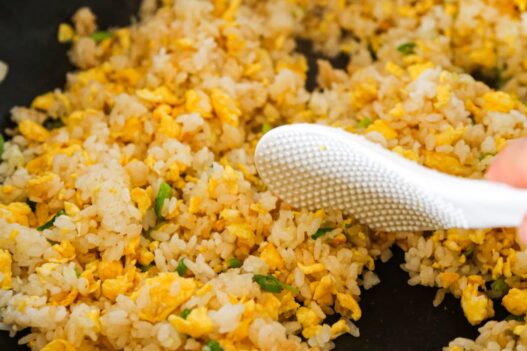
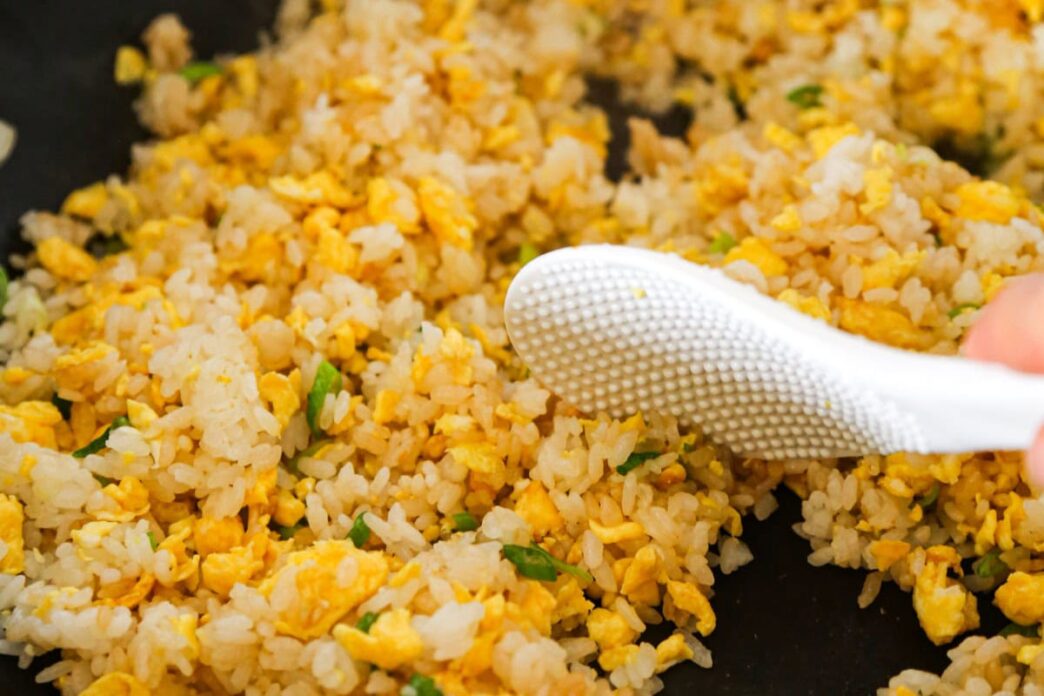
- Add the rice and break it up with a spatula or rice paddle. Toss the rice until it's warm and the grains have separated.
- Push the rice to one side of the wok and add the eggs to the other side (the empty side).
- Scramble them and fold them into the rice.
- Drizzle the soy sauce and toasted sesame oil and toss well to combine the flavors.
- Turn the heat off and add the green onions. Season with salt and pepper and serve.
Frequently Asked Questions
While a wok is traditionally used for fried rice because of its high heat and sloped sides, a large skillet works just as well in a home kitchen. The key is using a skillet that retains heat and gives the rice enough room to fry instead of steam. This is how the famous ‘wok hei' (smoky, slightly charred) flavor is achieved.
Up to 3-5 days refrigerated in an airtight container.
Yes, but let the rice cool down to room temperature before freezing it. I recommend portioning the rice and saving it in freezer bags.
Spread it out with a spatula, then press lightly and wait 20 to 30 seconds. The heat should separate the grains and make it easier to manage.