




Planning a family holiday that keeps everyone happy is hard enough, choosing the wrong cruise can make it even harder.
Family cruises are often marketed as an easy, all-in-one solution: accommodation, meals, entertainment, and transport rolled into one.
And when they're planned well, they really can be one of the smoothest ways for families to travel. But when the details are overlooked, the same cruise can feel crowded, expensive, and exhausting.
I've experienced this across very different types of cruises — from relaxed island routes in Oceania, to short New York Harbour cruises that are more about timing and views than onboard life, and slower Budapest Danube River cruises where pacing and cabin choice matter far more than flashy facilities.
Each trip worked because the planning matched the people on board — not because the ship was impressive.
What most families don't realise is that cruise success is decided long before embarkation. Cabin layout affects sleep and privacy. Sailing length influences energy levels, especially with younger children. Ship size changes how crowded dining and activities feel.
Even practical details – like staying connected with an international eSIM, or keeping kids entertained – quietly shape the overall experience.
This guide focuses on the planning decisions that actually matter. From choosing the right destination and ship style to managing budgets, accommodation, and onboard expectations, these are the factors that help families enjoy a cruise that feels organised, balanced, and enjoyable.
Choosing And Planning A Family Cruise
Start With The Right Destination
Where you sail matters more than many families expect.
Weather patterns, sea conditions, and how intense each port day feels can make or break the experience, especially with younger kids. Routes with too many back-to-back port days can be exciting on paper but exhausting in reality.
For families travelling with toddlers or primary-school-age children, itineraries with a mix of sea days and lighter ports tend to work best.
Mediterranean cruises during shoulder seasons often strike a good balance — fewer crowds, milder heat, and calmer energy overall. Caribbean routes outside peak hurricane months can also be family-friendly, offering predictable weather and shorter travel times between ports.
River cruises and cultural routes require a different mindset.
Egypt cruises, for example, are fascinating and educational, but they're more suited to families with older children who can handle early starts, guided excursions, and warmer conditions.
Choosing a destination that matches your children's stamina is just as important as choosing somewhere “interesting.”
Choose A Ship That's Actually Family-Friendly
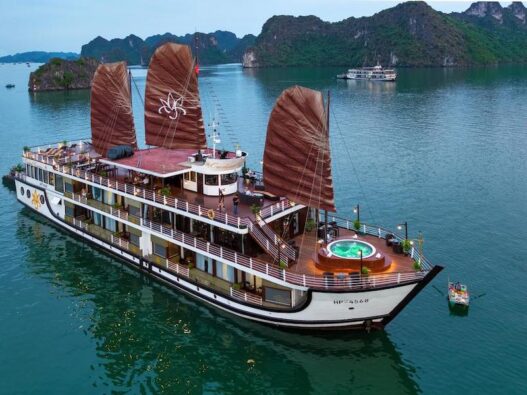
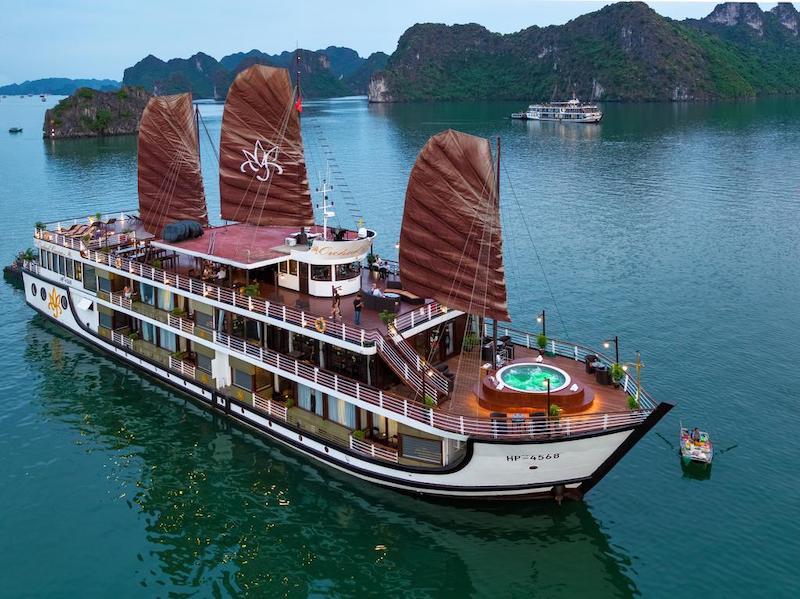
Orchid Cruise, Halong Bay, Vietnam
Not all cruise ships are built with families in mind, even if they allow children onboard. Ships that work best for families usually offer age-segmented kids' clubs, family pools or splash areas, cinemas, and flexible dining options.
These details matter when you're travelling with children who operate on different schedules and energy levels.
Always check age limits for kids' clubs and whether nurseries or toddler facilities are available if you're travelling with very young children. Some ships cater brilliantly to teens but offer little support for under-threes, which can come as a surprise if you don't research ahead.
Plan Accommodation Early
Accommodation is one of the most overlooked, and most important — parts of cruise planning.
Staterooms that sleep 5 people do exist, but they're limited and sell out quickly. For families of five or more, interconnecting cabins are often the most realistic option, offering extra space and privacy while keeping everyone close.
Family suites provide the most comfort, but they usually come at a premium and need to be booked well in advance. Waiting too long often means settling for less convenient layouts or higher prices.
Think Beyond The Base Fare
Booking early isn't just about price – it's about options.
Cabin availability, dining times, and kids' club slots become more restricted closer to departure, especially for larger families.
It's also worth looking closely at the extras.
Shore excursions should be checked for child suitability and walking distance. Stroller accessibility, babysitting services, and onboard Wi-Fi costs can vary widely by cruise line. These expenses add up quickly and should be part of your overall planning, not an afterthought once you're onboard.
A well-planned family cruise isn't about cramming in everything — it's about choosing a destination, ship, and setup that fits how your family actually travels. When those pieces align, the trip feels smoother, calmer, and far more enjoyable for everyone.
Value And Budgeting
Mon Cheri, Halong Bay, Vietnam
Understanding the cost structure of a family cruise helps prevent budget surprises.
Core elements such as accommodation, main dining, and standard entertainment are typically included in the fare, which can make cruises cost-effective compared with land-based holidays.
However, expenses such as shore excursions, specialty restaurants, Wi-Fi access, drinks packages, and gratuities may be charged separately.
Some cruise lines, including MSC Cruises, are frequently regarded as strong options for families due to their combination of competitive pricing, diverse itineraries, and well-developed kids' clubs. For budget-conscious families, attention to value-focused details can make a difference.
This includes monitoring seasonal promotions, reviewing flexible fare options, and using available coupon codes when booking.
When applied, the verified MSC Cruises promo codes that you can find on Discoup.com/us can reduce upfront costs or allow families to upgrade cabin types or onboard experiences without exceeding planned budgets.
Strategic timing also plays a role. Booking during off-peak periods or shoulder seasons often results in lower fares and less crowded ships.
Families who plan well in advance may benefit from early-booking incentives, while those with flexible schedules can sometimes take advantage of last-minute offers.
Family Cruises Vs Traditional Vacations
The Pros: Why Cruises Work Well for Families
La Regina Cruise, Halong Bay, Vietnam
One of the biggest advantages of a family cruise is how much mental load it removes.
Unlike resort stays or road trips, where you're constantly coordinating meals, transport, and activities, cruises bundle accommodation, dining, entertainment, and logistics into one system. Once you're onboard, decisions become simpler — especially valuable when travelling with children.
Another major plus is the ability to visit multiple destinations without repeatedly packing and unpacking. Waking up in a new place while staying in the same cabin reduces travel fatigue, particularly for younger children who struggle with frequent transitions.
For multigenerational families, cruises also offer a rare balance: shared meals and experiences, alongside kids' clubs and teen programmes that give children independence and adults genuine downtime.
Onboard entertainment is designed to cover a wide range of ages, from supervised play areas and family shows to quieter lounges and adult-only spaces. This built-in structure often makes cruises feel more efficient than traditional holidays, where parents are responsible for filling every day with something engaging.
The Cons: Where Cruises Can Fall Short
That structure, however, comes with limitations. Cruise schedules are fixed, meaning port visits run on strict timelines and days unfold around ship itineraries rather than personal preference. Families who prefer spontaneity or slower, open-ended exploration may find this restrictive.
Cabin space is another common challenge. Even well-designed family cabins can feel tight, especially for larger families or longer sailings. For families of five or more, options are more limited, and without early booking, compromises are often required.
Costs can also creep up quickly. While cruises appear all-inclusive, extras such as Wi-Fi, specialty dining, shore excursions, babysitting, and onboard activities can add significantly to the final spend. Without careful planning, these add-ons can erode the value advantage cruises are known for.
At the end of the day, a family cruise works best when it's treated like a project you plan once, not a trip you constantly manage.
The right ship, cabin setup, and itinerary remove friction before it appears, which is what allows everyone to actually enjoy the holiday.
It's also worth thinking beyond the ship itself. For longer or international cruises, basics like staying connected, managing documents, and even reviewing practical safeguards such as travel insurance or life insurance often get overlooked until the last minute.
Families with dependents may find peace of mind in having these details organised before departure, especially when travelling far from home. In some cases, working with a knowledgeable travel agency can simplify everything from cabin selection to shore excursions, saving both time and expensive mistakes.
A well-planned family cruise isn't about perfection or packing every day with activities. It's about creating a framework that gives your family space to enjoy the journey together.