






When I first landed in Okinawa, it didn't feel like the Japan I knew. The air was heavier, sweeter — filled with the scent of the sea and hibiscus.
There were no neon signs flashing or subway rushes, just endless blue water and people who smiled like they had nowhere else to be.
It's Japan, yes — but it's also something different. A softer, slower version of it. A place where the rhythm of the waves sets the pace of the day, and where culture and nature live in perfect balance.
Visiting here reminded me of chasing seasonal experiences elsewhere in Japan, like welcoming spring in the countryside, seeing January landscapes in quieter towns, or or catching the first sakura before the crowds arrive.
If you've been craving a side of Japan that's tropical, untamed, and deeply soulful, Okinawa is where you'll find it.
Here are the best things to do in Okinawa, Japan — from secret beaches to ancient castles — that'll completely change how you see the country.
15 Must-Experience Things To Do In Okinawa, Japan
1. Emerald Beach In Motobu
When I first stepped onto Emerald Beach, I realised how fitting the name truly was — the sand was soft and pale like powdered sugar, and the water shimmered in shifting shades of blue-green under the sun.
Nestled inside Ocean Expo Park in Motobu, this beach is one of the few in Japan where you can swim safely within a coral reef lagoon.
It's divided into 3 zones — for families, leisure, and relaxation — so there's space for everyone, whether you're travelling with kids or simply want a quiet patch of sand to unwind.
Lifeguards are on duty between April and October, and the water stays pleasantly warm throughout.
There's no entrance fee, and facilities are spotless, with showers, shaded rest huts, and vending machines nearby.
I stayed long enough to watch the sun sink into the sea — that moment when the light turns molten gold, and you wonder if anywhere else could feel this peaceful.
Location
2. Visit The Churaumi Aquarium In Motobu
Churaumi Aquarium, Okinawa, Japan
A five-minute walk from the beach leads to one of Okinawa's most mesmerising attractions — the Churaumi Aquarium.
Even if you've visited aquariums elsewhere, this one feels extraordinary.
Inside the massive Kuroshio Sea tank, whale sharks and manta rays glide in slow motion behind a wall of glass, their sheer size and grace almost hypnotic.
Beyond that, you'll find exhibits on coral reef ecosystems, deep-sea creatures, and even touch pools where kids can feel starfish and sea cucumbers.
The open-air area outside is worth exploring too — there's a Dolphin Lagoon with daily shows and a Sea Turtle Pool overlooking the ocean.
Entry costs JPY 2,180 / USD 14, and I'd suggest setting aside at least 2 hours to wander through.
It's open daily from 8:30 am to 6:30 pm (last entry 5:30 pm), though in summer it extends until 8 pm.
I joined a small morning tour that got us to the aquarium smoothly — it was great not worrying about directions or parking, and I could just focus on watching the whale sharks and manta rays glide by.
Book your Churaumi Aquarium and American Village tour here
3. Stroll Through Shuri Castle Park In Naha
If there's 1 place that truly captures Okinawa's soul, it's Shuri Castle.
Perched on a hill overlooking Naha, this site once served as the political and cultural heart of the Ryukyu Kingdom.
I arrived just before sunset, when the red lacquered gates glowed against the fading sky.
Much of the castle was lost to fire in 2019, but reconstruction is underway, and visitors can still walk along the castle walls, climb the observation points, and trace the outlines of the royal halls that once stood here.
Entry to the park grounds is free, while admission to the inner paid area costs JPY 400 / USD 2.60.
Allow around an hour to wander, and don't miss the Shureimon Gate and the nearby Sonohyan-utaki Ishimon, both UNESCO-listed.
It's open from 8:30 am to 7 pm, with the last entry at 6:30 pm. What struck me most wasn't just the architecture — it was the quiet pride locals feel here, knowing their heritage continues to rise from the ashes.
Check out Shuri Castle details here
4. The Kouri Bridge To Kouri Island In Nakijin
Kouri Bridge, Okinawa, Japan
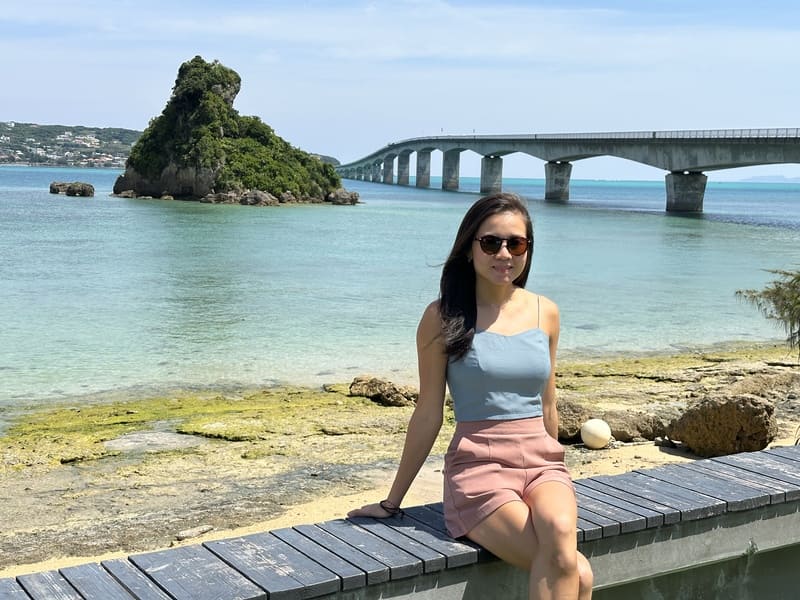
Driving along Okinawa's western coast, I reached Kouri Bridge — a 2-kilometre stretch of road that seems to float over turquoise water. It's the kind of drive that makes you slow down just to take it all in.
Kouri Island, affectionately called “Love Island,” is small and relaxed, perfect for a half-day trip.
I stopped at the Kouri Ocean Tower JPY 1,000 / USD 6.50 for panoramic views, wandered down to Tinu Beach to see the famous Heart Rock formations, and bought fresh pineapple slices from a cheerful roadside stall.
It takes about 2 hours to drive here from Naha, but the coastal views make it feel shorter. If you can, stay until late afternoon — the way the sun hits the bridge as it begins to set is pure magic.
Location
5. The Blue Cave (Cape Maeda) In Onna
Cape Maeda was one of those places that left me speechless. The moment sunlight pierced through the limestone entrance of the Blue Cave, the entire waterway shimmered in glowing shades of cobalt.
Even from the surface, the colours felt unreal — like swimming through liquid light. The cave is part of Maeda Misaki, a marine area on Okinawa's central coast, about a 40-minute drive from Naha.
You'll need a snorkelling or diving guide to enter safely — most tours start around JPY 5,000 / USD 33 and include equipment.
I joined an early-morning session, when the sea was calm and the only sounds were fins slicing through water and the rhythmic pulse of bubbles rising.
The swim lasts roughly an hour, but it's an experience that lingers far longer.
Check out Snorkelling at Blue Cave here
6. Island-Hop Around The Kerama Islands Near Naha
Just an hour's ferry ride from Naha lies a cluster of islands so beautiful they could redefine your idea of tropical Japan.
The Kerama Islands — including Zamami, Tokashiki, and Aka — are part of a protected national park known for coral reefs and sea turtles gliding through crystal-clear lagoons.
I took the morning ferry to Zamami JPY 2,150 / USD 14 (one-way) and rented a bicycle to explore.
Furuzamami Beach was dazzling — powder-white sand and calm blue shallows, perfect for snorkelling.
By evening, the crowd thinned, and I stayed overnight at a family-run guesthouse where stars spilt across the night sky.
If you have time, Tokashiki's Aharen Beach is just as stunning, and the ferry options make it easy to hop between islands.
Book your ferry tickets here
Check the time schedule here
7. Hike To Cape Hedo — Okinawa's Northern Tip
It takes around 2 and a half hours to drive from Naha to Cape Hedo, but the journey is part of the adventure.
The road winds past thick forests, sleepy fishing villages, and stretches of untouched coastline before opening up to dramatic cliffs and wild ocean.
Standing there at Okinawa's northernmost point, I could see where the East China Sea meets the Pacific — waves crashing below, the wind sharp with salt.
There's no entrance fee, just a small car park and a short trail leading to the viewpoint.
Bring water, good shoes, and maybe a bento box for lunch; it's an ideal place to sit quietly and let the power of the sea wash over you.
Location
8. Taste Okinawa's Unique Food Scene
Makishi Public Market, Naha, Okinawa, Japan
Every island has its flavour, and Okinawa's is unlike anywhere else in Japan.
Influenced by Chinese and Southeast Asian trade routes, local cuisine is hearty, earthy, and full of life.
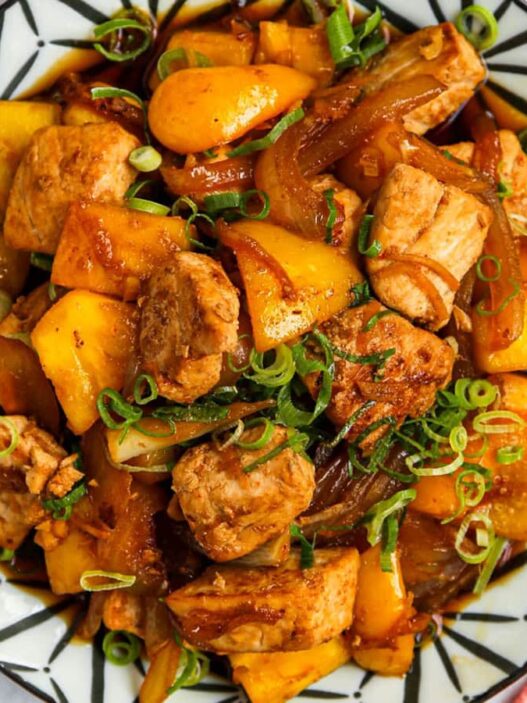
I started with goya champuru, a stir-fry of bitter melon, tofu, and pork that's strangely addictive once you get used to the bitterness.
Then came Okinawa soba — thick noodles served in a clear pork broth with slow-cooked ribs on top.
For dessert, beni-imo (purple sweet potato) ice cream was a must — creamy, sweet, and vividly violet.
The best place to try them all? Makishi Public Market in Naha. It's open daily from 8 am to 10 pm, buzzing with chatter, sizzling oil, and the smell of grilled seafood.
I spent nearly 2 hours there, sampling, watching, and feeling like I'd stepped straight into the island's beating heart.
Location
9. Sunset At Cape Zanpa
Cape Zanpa Lighthouse, Okinawa, Japan
Perched on Okinawa's western edge, Cape Zanpa is where rugged limestone cliffs meet the endless blue of the East China Sea.
The 30-metre-high Zanpa Lighthouse stands sentinel at the tip, once guiding ships that connected the Ryukyu Islands to mainland Asia.
Today, it's one of the island's most breathtaking coastal viewpoints — and surprisingly quiet come evening.
I followed the trail that hugs the cliffs, an easy 20-minute walk where you'll spot wild goats grazing and waves crashing against the rocks below.
The lighthouse can be climbed for sweeping 360-degree views JPY 300 / USD 2, and although the stairs are narrow, the panorama is spectacular.
As the sun begins to dip, locals gather across the grassy park with cameras or picnic mats, waiting for that moment when the sky turns to molten orange and the sea mirrors every shade.
The cape is part of Zanpa Misaki Park, about an hour's drive from Naha, with free parking and small seaside cafés nearby — perfect for a late afternoon stroll before the sunset show begins.
Location
10. Remote Beaches Of Miyako Island In Okinawa Prefecture
If paradise had a postcode, it might be Miyako Island.
About an hour's flight south of Naha, this coral-fringed gem feels almost untouched — a place where the water glows turquoise and the pace of life slows to match the tide.
The island's crown jewel is Yonaha Maehama Beach, a seven-kilometre ribbon of soft white sand that regularly tops Japan's “best beach” lists.
The sea stays shallow and calm, ideal for swimming or stand-up paddleboarding, and there's no entrance fee. Facilities include showers, shaded huts, and small cafés, making it easy to linger.
A short drive away, Sunayama Beach offers a wilder, more intimate experience.
A five-minute walk down a sandy trail reveals a crescent of white sand framed by a natural rock arch. Around midday, when sunlight floods through the arch, the water turns surreal shades of blue-green — it's a photographer's dream.
I joined a Miyako Island sea turtle snorkelling half-day experience here, drifting through clear waters as sea turtles glided past the coral — easily one of my favourite moments on the island.
Snorkelling gear is a must; tropical fish dart just metres from shore. Most visitors rent a car to explore the island's beaches, bridges, and hidden coves at their own pace.
Give yourself at least a full day — you'll wish you had more.
Book your sea turtle snorkelling experience here
11. Shop And Explore Along Kokusai-dōri In Naha
Back in Naha, Kokusai-dōri — or “International Street” — captures Okinawa's colourful energy in a single kilometre-long stretch.
From morning till night, it hums with the rhythm of street performers, sizzling food stalls, and shopkeepers calling out cheerful greetings.
I started at the Makishi end and wandered slowly, ducking into souvenir shops selling bingata textiles, coral jewellery, and rows of Shisa guardian statues, each with its own expression of mischief or luck.
Street food is part of the fun here: try sata andagi, Okinawan doughnuts that are crisp outside and pillowy inside, or cool off with beni-imo soft serve — a purple sweet potato ice cream that tastes as good as it looks.
As evening sets in, neon lights flicker on and the izakayas fill with the sound of sanshin guitars and laughter spilling into the street.
Most shops stay open until around 10 pm, and if you venture down the side alleys like Heiwa-dōri or Ichiba Hondōri, you'll find hidden markets selling everything from tropical fruit to handmade ceramics.
Kokusai-dōri isn't just a shopping street — it's a living snapshot of Okinawan life.
Location
12. Discover The Pottery District Of Tsuboya, Naha
Just a few steps off Kokusai-dōri lies a quieter world: Tsuboya Yachimun Street, the heart of Okinawa's pottery tradition since the 17th century.
Cobblestone paths weave between old kilns and wooden storefronts draped in flowering vines. The air smells faintly of clay and salt, and every doorway seems to reveal a new gallery or workshop.
Many of these studios have been run by the same families for generations, and if you stop to chat, you'll often be invited to watch the potters at work.
I joined a short pottery class (around JPY 2,000 / USD 13) where I shaped a small bowl under the patient guidance of a craftsman whose hands moved like clockwork.
It's a lovely way to make your own keepsake, and the studio will ship your finished piece once it's fired.
Most shops open from 10 am to 6 pm, and you'll find a few cafés tucked between them — perfect for cooling off with an iced coffee after browsing.
This little street is a reminder that Okinawa's culture is as much about artistry as it is about nature.
Location
13. Visit The Sacred Site Of Sefa-Utaki, Southern Okinawa
Far from the beaches and bustle, Sefa-Utaki offers a glimpse into the island's spiritual heart.
Nestled in dense subtropical forest on Okinawa's southeast coast, this sacred site once served as the most important place of worship for the Ryukyu Kingdom's priestesses.
There are no temples here, just stone formations, moss-covered steps, and an atmosphere so serene it feels timeless.
I joined a half-day bus tour that also stopped at Okinawa World — a convenient way to pair nature, culture, and history in one trip
The circular trail takes about 30 minutes at a slow pace, leading through forested paths and natural limestone archways where rituals once took place.
Admission is JPY 300 / USD 2, and it's open daily from 9 am to 6 pm (last entry 5:30 pm). Visitors are asked to speak softly and show respect — this isn't just a tourist attraction, but a living place of faith.
From the final lookout point, you can see Kudaka Island shimmering across the sea, said to be the birthplace of the Ryukyu gods. I left feeling hushed and humbled, as if the island itself had whispered a secret.
Book your Sefa-Utaki and Okinawa World experience here
14. Explore The Caves Of Okinawa World, Nanjo
Cave Okinawa, Okinawa, Japan
Deep beneath Okinawa's southern hills lies Gyokusendō Cave — a limestone masterpiece stretching over five kilometres, though only 900 metres are open to visitors.
It's the centrepiece of Okinawa World, a cultural theme park that blends geology with tradition.
The path winds through a wonderland of stalactites and crystal-clear pools, each one illuminated in golden light that gives the cave an otherworldly glow.
Entry costs JPY 2,000 / USD 13 and includes access to the park's cultural village, where artisans demonstrate glass-blowing, weaving, and paper-making.
Don't miss the eisa drum performance held several times a day — the rhythms echo through the courtyard, reverberating in your chest long after the last beat.
The cave itself takes about an hour to explore at an easy pace, and the park is open daily from 9 am to 6 pm (last entry 5 pm).
Book your Sefa-Utaki and Okinawa World experience here
15. Immerse Yourself In Ryukyu Culture
One of the joys of Okinawa is how easily you can slip into its living traditions.
Around Naha and southern Okinawa, studios offer short workshops where you can paint your own Shisa guardian statue, blow Ryukyu glass, or try on traditional Ryukyu kimono for photos — sessions start from JPY 1,000 / USD 6.50 and usually last 30 to 60 minutes
I joined a kimono experience at Shuri Ryusen Studio, a long-established workshop near Shuri Castle known for its Bingata dyeing and Ryukyu textiles.
The owner explained how each colour once symbolised status and fortune within the royal court.
Dressed in deep crimson robes embroidered with gold cranes, I caught my reflection and saw not a tourist, but a tiny echo of Okinawa's past.
These hands-on experiences are scattered across the island — from small artisan villages to modern craft centres — and they're more than just souvenirs. They're a way of connecting with the island's proud, enduring soul.
Book your kimono experience here
Where To Stay In Okinawa, Japan
Pineapple Park, Okinawa, Japan
Whether you want a room that opens straight to the sea, a stylish resort with all the comforts, or a budget base near the port for island-hopping, Okinawa has stays for every kind of traveller.
Luxury Hotel In Okinawa, Japan
Halekulani Okinawa, Onna Village
Set along Onna's west coast, Halekulani feels like your own private slice of paradise.
The infinity pool seems to melt into the East China Sea, and the oceanfront rooms offer unobstructed sunset views. Walking around, you'll find boutique cafés, small souvenir shops, and the nearby Nago Pineapple Park is perfect for a quirky half-day outing.
Transport is easiest with a rental car — taxis are expensive and buses are infrequent — but once you're here, the surrounding beaches and coastal drives are a dream.
Ideal for honeymooners, couples, or anyone wanting indulgence and tranquillity.
From JPY 60,000 / USD 400 per night.
BOOK HERE
Mid-Range Hotel In Okinawa, Japan
Hotel Moon Beach, Onna
This retro-modern resort sits right on Moon Beach, with a lively stretch of sand that's great for morning swims or sunset strolls.
The hotel has lush gardens and multiple dining options, plus you can rent snorkelling gear or join local tours directly from the property.
Nearby, you'll find convenience stores, small eateries, and a few local markets, making it easy to grab snacks or souvenirs without a long trip.
The hotel is reachable by bus from Naha (about 1.5 hours), but a car makes exploring the surrounding coast, like Cape Maeda or Kouri Bridge, much easier. Perfect for families, couples, or small groups.
From JPY 20,000 / USD 130 per night.
BOOK HERE
Budget Stay In Okinawa, Japan
Guesthouse Kerama, Naha
Tucked near Tomari Port, this friendly guesthouse is perfect for travellers planning day trips or ferry rides to the Kerama Islands.
Dorms are cosy, and the common area is a great spot to meet fellow travellers or swap island tips.
Around the guesthouse, you'll find small cafés, convenience stores, and the ferry terminals — making early morning departures for island-hopping a breeze.
It's a short taxi or 15-minute bus ride to Kokusai-dōri, so you can enjoy Naha's nightlife and street markets without staying in the busy centre. Affordable, convenient, and full of local charm.
From JPY 3,000 / USD 20 per bed.
BOOK HERE
What To Eat In Okinawa, Japan
Sweet potato shop, Okinawa, Japan
If there's one thing that makes Okinawa unforgettable, it's the food. This isn't just about eating — it's about tasting the island's history.
Influences from Japan, China, and Southeast Asia mingle with local ingredients, producing dishes that are hearty, colourful, and full of character.
Every bite tells a story of trade, survival, and tropical abundance.
I found myself wandering the markets, sampling street snacks, and hopping between tiny family-run diners — and honestly, it felt like the most delicious education.
Okinawa Soba
Forget the soba you know from mainland Japan. Okinawa's version is thick, chewy wheat noodles served in a light pork broth, often topped with slow-braised pork ribs or fish cake.
It's the kind of dish that warms you from the inside out — comfort food with a tropical twist.
I had my first bowl at Shuri Soba, just a short stroll from Shuri Castle, and watching locals tuck in with chopsticks in one hand and soup in the other, I felt instantly at home.
Near Naha Airport, Hamaya Soba is another great stop, with bowls starting from JPY 700–1,000 / USD 5–7 — perfect for a quick meal before heading out to explore.
Goya Champuru (Bitter Melon Stir-Fry)
At first glance, bitter melon might make you hesitate, but this stir-fry is pure Okinawa on a plate — tofu, egg, pork belly, and the signature slightly bitter green melon, all sizzling together in a wok.
The first bite surprised me, but within minutes, I understood why locals swear by it for health and energy.
I tried it at Yunangi Restaurant in Naha, a cosy spot tucked down a side street, and the aroma of garlic, soy, and stir-fry magic made it impossible not to go back for seconds.
Bowls range from JPY 800–1,200 / USD 5.50–8.
Taco Rice
A quirky fusion from the post-war American presence, taco rice is exactly what it sounds like — spiced ground beef, melted cheese, salsa, all piled over steaming Japanese rice.
I first grabbed one at King Tacos in Kin Town, watching the locals assemble their bowls with casual precision.
It's messy, quick, cheap, and strangely addictive — the perfect on-the-go lunch when you're hopping between beaches or sightseeing.
Expect JPY 600–900 / USD 4–6.
Rafute (Braised Pork Belly)
If you've ever dreamt of meat melting on your tongue, rafute is your moment.
Slow-cooked in soy, sugar, and Awamori (the island's local spirit), the pork is tender, sweet, and rich without being overwhelming.
I savoured mine at Mikasa Restaurant in Naha, watching the chef carve generous slices for each diner — it felt like getting a taste of Okinawa's soul.
Prices are around JPY 1,000–1,500 / USD 7–10.
Tempura Okinawa-Style
Okinawan tempura isn't the delicate, paper-thin kind you find on the mainland — it's thick, fluffy, and made for grabbing on the go.
I found myself queuing with locals at Nagamine Tempura in Naha, munching on fried sweet potato, pumpkin, and fish — crispy on the outside, soft and warm inside.
Down in Onna, Oujima Island Tempura Shops had a slightly different twist with taro and pumpkin fritters that were almost too good to share.
Each piece is small but satisfying, and at JPY 100–150 / USD 0.70–1, it's easy to grab a handful while wandering the streets.
Beni-Imo (Purple Sweet Potato)
You'll spot beni-imo everywhere, from ice cream cones to creamy pastries.
I couldn't resist stopping at Okashi Goten Onna for their famous beni-imo tarts, the filling glowing violet in the afternoon sun — it's sweet, creamy, and entirely addictive.
Prices generally run JPY 300–600 / USD 2–4 depending on the treat.
Awamori & Orion Beer
To truly drink like a local, you have to try Awamori, Okinawa's traditional distilled spirit.
Smooth, strong, and earthy, it's served on the rocks or diluted with water.
And you can't leave without trying Orion Beer, brewed on the island and perfectly crisp.
I found it on tap at Makishi Public Market and also at small roadside bars — ideal for washing down salty snacks.
Glasses range from JPY 500–900 / USD 3–6.
Whether you're wandering a bustling market, a tiny side-street diner, or a quiet café by the sea, Okinawa's food scene is warm, unpretentious, and full of surprises.
Personally, I spent evenings chasing the aroma of sizzling goya champuru and tempura, thinking, “I could eat like this every day and never get bored.”
Best Time To Visit Okinawa, Japan
American Village, Okinawa, Japan
Planning when to go can totally change how you experience Okinawa — from diving into crystal-clear waters to wandering quiet beaches without another soul in sight.
Dry Season (March – October)
If you're after sun, sand, and turquoise seas, this is the sweet spot.
I've been in June and again in late September, and both times the skies were brilliant, the water was perfect for snorkelling, and the beaches felt like your own private slice of paradise — at least until the tour buses roll in.
Summer (June–August) is definitely busy, especially with Japanese school holidays, so I'd book hotels and ferries early.
On the plus side, the atmosphere is buzzing — festivals, fireworks, and long, warm evenings that feel made for sipping Orion beer while the sun sets.
Typhoon & Shoulder Season (May – June / September)
Yes, these months can be unpredictable.
I got caught in a sudden downpour once while driving up to Cape Hedo, but then the skies cleared and the landscape looked insanely lush, and the beaches were practically empty.
You'll find better hotel deals, fewer crowds, and the ocean at its warmest — perfect if you're into diving. Just… keep an eye on the forecasts.
Winter Season (November – February)
Okinawa cools down, but it's still way milder than the mainland — think 17–22°C.
Swimming isn't really on the cards, but it's perfect for exploring castles, scenic drives, and spotting whales if you're lucky.
I went in January once, and it was blissfully quiet — no hustle, no crowds, just gentle breezes and the odd fisherman nodding hello.
Prices are lower, and the slower pace makes it easy to just soak in the island vibe.
Okinawa Weather by Month
Mar–May: Warm, sunny, and ideal for outdoor adventures before summer crowds arrive.
Jun–Sep: Hot and humid — peak beach season, with occasional typhoons.
Oct–Nov: Comfortable temperatures, clear seas, and post-summer calm.
Dec–Feb: Mild and peaceful, best for off-season deals and whale watching.
Okinawa's tropical charm shines year-round — whether you're chasing sunshine or serenity, there's always a good reason to visit.
Getting Around Okinawa, Japan
Okinawa might look small on the map, but its charm is spread across miles of coastline, scenic drives, and island-hopping routes — so getting around right makes all the difference.
The easiest and most flexible way to explore is by renting a car.
Roads are well-maintained, traffic's light outside Naha, and every turn seems to reveal another hidden beach or viewpoint.
Daily rentals start from JPY 5,000–7,000 / USD 33–45, and you'll need an International Driving Permit (IDP).
Driving on the left might take a moment to adjust to, but the freedom is worth it.
Just remember: parking at major beaches and attractions often costs around JPY 100–300 / 0.65-1.95 USD per hour, and fuel stations are self-service.
If you'd rather not drive, local buses connect the main towns, but they run infrequently — so patience is key.
The Okinawa Bus Pass (available for 1, 3, or 5 days) can make it easier to get around Naha, Shuri, and southern spots like Okinawa World.
For island-hopping, ferries and short domestic flights link to the Kerama Islands, Miyako, and Ishigaki — perfect if you want to chase coral reefs and quieter shores.
I learned quickly that while public transport works fine for short distances, nothing beats cruising the coast with your own wheels, sea breeze in your hair, and endless blue on the horizon.
Travel Tips To Know Before Going To Okinawa, Japan
Heading to Okinawa for the first time? A few insider tips can make your island escape smoother, cheaper, and far more rewarding.
From local etiquette to getting connected, here's what to know before you go.
Money & ATMs
Cash is still king across Okinawa, especially at smaller cafés, local markets, and rural attractions.
Most hotels and larger restaurants accept cards, but it's wise to carry some Japanese Yen in smaller denominations.
ATMs are widely available at FamilyMart and Lawson convenience stores, and they accept foreign cards. Withdraw a larger amount at once to save on international bank fees.
Dress Code & Temples
While Okinawa has a relaxed, beachy vibe, modest clothing is expected when visiting shrines or sacred sites like Sefa-Utaki.
Cover your shoulders and knees, and remove shoes where required. A light shawl or sarong in your bag always comes in handy.
Respect Local Customs
Okinawan culture is warm yet deeply respectful.
Bow slightly when greeting or thanking someone, speak softly at holy sites, and never touch sacred stones or structures.
Locals are incredibly kind — returning that respect goes a long way.
Stay Connected
Pick up a Japan eSIM for easy navigation and communication.
Coverage is excellent, even on smaller islands, so you'll never be far from a signal.
Tipping Etiquette
Tipping isn't part of Japanese culture. Instead, a sincere “arigatou gozaimasu” is the perfect way to show appreciation.
Leaving coins on the table may even cause confusion, so skip the tip and smile instead.
Beach Etiquette
Okinawa's beaches are pristine — help keep them that way. Always take your rubbish with you, avoid touching coral or sea creatures when snorkelling, and don't swim outside marked areas.
Many beaches have jellyfish nets or lifeguard zones — stick to them, especially from June to September when the water's warmest.
Driving Tip
If you're renting a car, remember Okinawa drives on the left, and you'll need an International Driving Permit (IDP).
Locals are patient drivers, but always yield to pedestrians — and don't be surprised if everyone thanks you with a little nod or wave.
FAQs About Visiting Okinawa, Japan
Do I Need A Car To Get Around Okinawa?
A car makes exploring the island much easier.
Rentals start from JPY 5,000 / USD 33 per day, and with an International Driving Permit, you can reach beaches, viewpoints, and hidden coves on your own schedule.
Which Islands Should I Visit And How?
The Kerama Islands are an easy ferry from Naha and perfect for snorkeling.
Miyako and Ishigaki islands are a short flight away and famous for pristine beaches.
Ferries and flights make island-hopping straightforward.
When Is The Best Time For Beaches, Snorkeling, Or Festivals?
March to May and October to November bring warm, pleasant weather with fewer crowds.
Summer is hot and ideal for diving, but watch for typhoons. Winter is quieter, good for culture and sightseeing, but the water is cooler.
How Do I Get Around?
Public buses cover main routes but can be slow. Cars, ferries, and scooters give the most flexibility, especially for reaching remote beaches.
Honestly, Okinawa sneaks up on you.
One minute you're just thinking “oh, another beach,” and the next you're watching the sunset at Cape Zanpa and wondering how the sea can actually be that blue.
You'll probably want a car — trust me, hopping between beaches, viewpoints, and islands is way easier that way.
But don't stress if you can't drive; buses and ferries can get you around, it just takes a bit more patience.