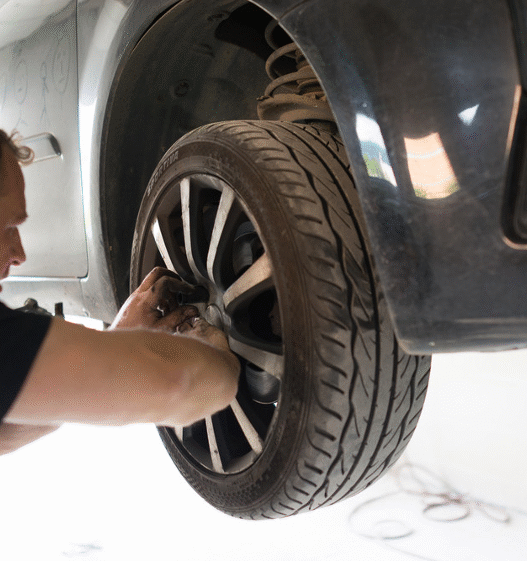








Buying your first truck is exciting because it feels ready for anything. It can haul supplies, tow a trailer, and handle rough weather with less drama than a smaller vehicle. That capability is exactly why a truck deserves a little more attention than “oil when the light comes on.” Consistent care keeps it dependable when you actually need it.
A good maintenance mindset is simple: protect safety, protect performance, and protect the value you paid for. Most problems start small, like a slow leak, uneven tire wear, or a noise that only happens under load. If you catch those early, repairs tend to be quicker and less expensive. If you ignore them, trucks can turn little issues into big ones fast.
Build a Simple Maintenance Rhythm
Set a mileage routine and treat it like a calendar appointment. According to Bankrate, routine vehicle maintenance is generally needed about every 5,000 miles, which makes a useful baseline for inspections and fluid checks. If you tow, drive in heavy dust, or sit in stop-and-go traffic, tighten that schedule so wear does not sneak up on you. The goal is steady check-ins, not perfect timing.
When that interval comes up, do the same quick walk-around every time. Check oil level and color, coolant level, and brake fluid, then look underneath for fresh drips. Scan tires for uneven wear, nails, and sidewall cracking, and confirm the spare is ready. Finish with lights and wipers so you are not surprised the next time it rains.
Pay Attention to High-Stress Truck Components
Trucks stress brakes, tires, and suspension more than many drivers expect. Payload, towing, and rough roads add heat and force that can shorten the life of wear parts. Watch for vibration, pulling, longer stopping distances, or steering that feels loose. Those are early hints that something needs attention.
Drivetrain health matters even more if you use your truck like a truck. Follow the service schedule for transmission fluid, differentials, and the transfer case on four-wheel-drive models. Notice how it shifts when cold, how it behaves on hills, and whether engagement ever feels delayed. Smooth, predictable operation is the standard you want to keep.
Prevent Rust and Everyday Damage
Rust prevention is not just about looks; it helps protect the frame, fasteners, and brake lines over time. Wash salt off the undercarriage in winter and rinse wheel wells where grime packs in. Touch up paint chips before they spread, and keep a bed mat or liner in good condition if you carry messy loads. Clean surfaces also make leaks and cracks easier to spot.
Small daily items deserve a yearly reset, too. Replace wiper blades when they streak, and keep the windshield clean to cut glare at night. Check door seals, tailgate latches, and exterior lights, since trucks spend a lot of time in rain, dust, and sun. A few simple fixes can prevent annoying problems from turning into costly repairs.
Use Professionals Wisely
Even if you handle basics yourself, having a shop you trust makes truck ownership easier. According to IBISWorld, there were 283,315 auto mechanics businesses in the United States as of 2023, a 1.3% increase from 2022, so you can be selective. Look for clear communication, written estimates, and technicians who explain what they found without pressure. Keep service records in one place so patterns do not get missed.
Drive Like Reliability Matters
Maintenance is only half the story, because driving habits decide how fast parts wear. According to the American Trucking Association, trucks moved roughly 72.6% of the nation's freight by weight in 2022, and that reality highlights how much longevity depends on smooth operation and planned braking. Avoid hard launches, do not ride the brakes on long grades, and give yourself extra following distance. When towing, slow down, take wider turns, and stop occasionally to check your hitch, straps, and lights.
A truck that is cared for feels better every day, not just on paper. Keep a simple log of mileage, service dates, and anything you notice that feels new or off. Reminders on your phone can keep you on schedule without thinking about it constantly. Your owner's manual is also a cheat sheet for service intervals, fluid types, and towing guidance, so it is worth bookmarking. When in doubt, ask questions early, and fix small concerns before they become a stressful repair. Over the long run, that consistency is what makes ownership feel worth it.
The post A New Truck Owner's Guide to Auto Care and Maintenance appeared first on MoneyMiniBlog.