







Planning a trip to Sapa and don't know where to start? You're not alone.
Nestled 1,500 metres above sea level, Sapa is a mountain town in the Hoàng Liên Sơn Mountains in Northern Vietnam. It offers something rare: dramatic natural landscapes, living ethnic culture, and adventure.
After Halong Bay, Sapa takes the spot for the most searched destinations in Vietnam and is a highlight on many Vietnam itinerary routes, making it worth a visit for its unique mix of nature, social impact, and hill tribe communities.
From Sapa's rice terraces of Muong Hoa Valley to the summit of Fansipan, Vietnam's highest peak, the region packs an extraordinary range of experiences into just a few square kilometres.
Ready to take on Sapa? This guide breaks down everything you can do in Sapa, Vietnam — whether you have 4 days or a full week in Sapa, prefer hard trekking or cable cars, and are travelling solo, as a couple, or with family.
You'll also find a ready-to-use itinerary, honest tips, and current pricing so you can plan without guesswork.
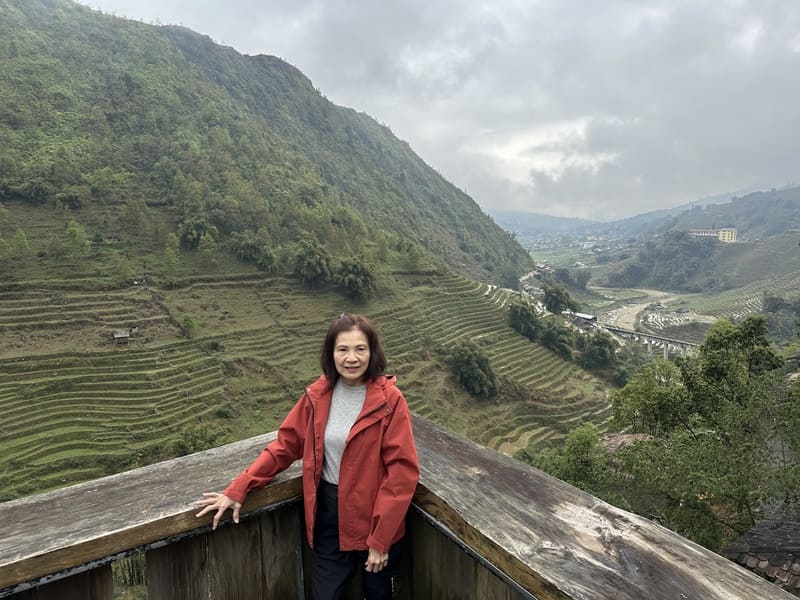
Terraced rice fields and mountain views in Sapa, Vietnam
READ:
Best Things To Do In Hoi An, Vietnam
Best Beaches In Da Nang, Vietnam
At A Glance
- Why Visit Sapa, Vietnam?
- 15 Remarkable Things To Do In Sapa, Vietnam
- Ethnic Villages & Sapa Cultural Experiences To Try
- Best Time To Visit Sapa, Vietnam
- Where NOT To Stay In Sapa, Vietnam
- How To Ditch The Crowds In Sapa, Vietnam
- How Many Days In Sapa, Vietnam?
- How To Get To Sapa, Vietnam
- Cost Of Travelling In Sapa, Vietnam
- Sapa Food Guide: Must-Try Dishes In Sapa, Vietnam
- Parting Tips For Visiting Sapa, Vietnam
- FAQs About Visiting Sapa, Vietnam
Why Visit Sapa, Vietnam?
Sapa is a popular trekking base overlooking the terrace rice fields of Muong Hoa Valley and is near the Phang Xi Pang peak.
This quiet trekking town that backpackers whispered about 2 decades ago now has luxury resorts, a glass bridge suspended over a 2,200-metre valley, and a cable car that breaks world records.
What drew me to Sapa was to experience the misty, untouched wilderness. Needless to say, my visit was everything and more.
1. Ride A Cable Car To Fansipan
One of the unmissable things to do in Sapa, Vietnam, is to visit the Fansipan summit, which is widely known as the “Roof of Indochina.”
Vietnam's official tourism site describes it as a must-do. The cable car gets visitors to the top in about 15 minutes, opening up sweeping mountain-and-cloud views without requiring a full expedition trek.
Fansipan cable car above the mountains near Sapa, Vietnam
2. Trek Through Muong Hoa Valley
One of the most scenic destinations in Northern Vietnam, Muong Hoa Valley is a consistently top-ranked attraction. It's known for its terraced fields, bamboo forests, suspension bridges, villages, and valley-wide views.
3. Drive Through O Quy Ho Pass
O Quy Ho Pass is one of the 4 most majestic mountain passes in Northwest Vietnam and one of the best places to visit in Sapa.
Located on National Highway 4D, connecting the 2 provinces of Lao Cai and Lai Chau, O Quy Ho Pass stretches 50 km (31 miles), it's the longest mountain pass in Vietnam, rising over 2,000 metres above sea level, with many treacherous hairpin bends.
Early morning is the best time to explore dense cloud formations and dramatic photography.
4. Silver Waterfall (Thac Bac)
Located 15 km (9 miles) from Sapa town, Silver Waterfall is best visited in the early morning when visibility is clearest. It's a stunning 200-metre-high waterfall, known for its silvery cascade and scenic mountain views.
You can combine this with O Quy Ho Pass and Love Waterfall for the best experience!
- Silver Waterfall at Sapa, Vietnam
- Love Waterfall at Sapa, Vietnam
5. Rong May Glass Bridge
Rong May Glass Bridge is considered one of the highest bridges in Vietnam, sitting 2,200 metres above sea level. It has a glass elevator and a 60-metre-long walkway stretching from the Hoang Lien Son mountain cliffs, offering panoramic views.
Clear days offer the best views of the valley, while misty days offer a “walking on clouds” experience.
I had this bookmarked on my trip there, but it was a pity we had cloudy days for almost all the days we were in Sapa, so we eventually missed this attraction.
6. Mountain Biking
With spectacular and challenging terrain through Muong Hoa Valley and Hoang Lien Son mountains, mountain biking in Sapa features steep climbs, scenic rice terraces, and ethnic minority villages.
September–October or April–May are the best times for the ultimate experience.
Ethnic Villages & Sapa Cultural Experiences To Try
1. Visit CatCat Village
Dramatic terraced rice paddies, traditional houses, and the picturesque CatCat waterfall have made CatCat Village a top destination and tourist attraction. This village is 3 km (1.8 miles) from Sapa, and the best time to visit CatCat is either early in the morning or late in the afternoon.
The village itself is quite beautiful, and the scenery holds up; however, what's been marketed as an “authentic village experience” has largely been replaced by entrance fees and souvenir stalls every 30 metres. By mid-morning, the village gets swamped with visitors, and vendors persistently follow tourists.
Still, if you prefer not to wade in mud and have a more structured cultural experience, this is a must-do in Sapa. They also have museums and cultural performances to entertain the young and old alike.
View from Sapa CatCat Hills Resort & Spa
2. Y Linh Ho, Lao Chai, Ta Van Village Trek
Since I couldn't do the overnight hike up to Fansipan (due to the rainy weather), the next best alternative trek in Sapa that I could involve my parents in was the most beginner-friendly trek, from Y Linh Ho > Lao Chai > Ta Van.
We organised it via WhatsApp with Su (+84 91 409 46 92), a professional guide, and were really pleased with his offers and services. It's a family-run business (as with most tour operators and drivers here), so I'm more than happy to support their business!
3. Bac Ha Sunday Market
The Bac Ha Sunday Market is a vibrant ethnic market in Lao Cai Province, held every Sunday morning from 7 am – 2 pm. The market's renowned for its Flower Hmong, Dao, and other local minority groups who sell traditional textiles, handicrafts, and livestock.
Sapa Market, Vietnam
4. Sin Chai Village
Located 4 km (2.5 miles) from Sapa at the base of the Hoang Lien Son Mountain Range, Sin Chai Village is home to the Black H'Mong, offering a glimpse into their daily lives, traditional handicrafts, and weaving techniques.
April–May and September–October are ideal times to experience the vibrant landscape.
5. Black Hmong Cooking With A Local Family
One of the most memorable cultural experiences in Sapa is taking a cooking class with a Black H'Mong family. It takes place in the family home over a wood-fired stove, using locally grown ingredients on a hillside.
A single session, depending on the family and operator you book through, is about 5 hours and covers 4–6 dishes.
Book a Hmong cooking experience here!
6. Red Dao Herbal Bath
Add the Red Dao herbal bath to your Sapa itinerary! It's a must-do while in Sapa. This is a traditional, aromatic healing therapy derived from Vietnam's northern mountains.
Many hotels in Sapa offer this service, but an authentic experience can be found in Ta Phin Village, Red Dao Spa, and Sapanapro.
If in doubt, ask your local driver. That was how we happened upon this very herbal bath experience in Ta May (location here).
I had the BEST time soaking in this herbal bath in Sapa, Vietnam
7. Sapa Culture Museum
Sapa Culture Museum is a free and informative museum highlighting the vibrant heritage of local ethnic minorities like the Hmong and Dao. It showcases traditional clothing and tools used in daily life, such as those of the Hmong, Dao, and Tay communities.
8. Sapa Night Market
Sapa Night Market is a lively daily evening market that opens every day at 6:30 pm and operates until 11:30 pm. The market offers a vibrant mix of ethnic minority handicrafts, textiles, and local street food.
9. Holy Rosary Church
Holy Rosary Church — also known as Stone Church or Sapa Church — is a historic Catholic church located in the heart of Sapa town, Vietnam, built by the French in the early 20th century. It's a premier example of Roman Gothic architecture, featuring stone construction.
10. Ta Phin Village
Settled about 17 km (10.5 miles) from town, Ta Phin is a community known for its authentic Red Dao and H'Mong culture, breathtaking rice terraces, and traditional herbal baths. It's popular for trekking and exploring the local cave, and an ideal time to visit is between April and June (sunny/planting season) or September and October.
Best Time To Visit Sapa, Vietnam
With so many outdoor things to do in Sapa, the weather becomes an essential factor. The good thing about visiting this destination is that its weather changes dramatically throughout the year.
Rainy CatCat Village, Sapa, Vietnam
The best time to visit Sapa? It depends on what you want to see.
- September–October (Golden Season): September is ideal for visiting rice terraces. It's when Sapa's terraces turn vibrant yellow. The weather is cool and dry, and the place becomes a hub for spectacular photography.
- March–May (Blooming Season): You'll find lush green landscapes with blooms of plum, peach, and pear, clear skies, and comfortable temperatures.
- June–August (Summer Season): Expect green terraces with muddy trails. The temperature is warm with a high chance of rain.
- December–February (Winter Season): Temperatures drop significantly, with the possibility of frost or snow at elevation. There are fewer tourists, making it ideal for atmospheric trekking.
Where NOT To Stay In Sapa, Vietnam
Don't ask me why, but we've had to change accommodation at least 3 times in the 5 days we stayed there.
I wouldn't recommend staying at May Casa. Terrible service as they not only didn't have a front desk nor a contact number we could reach easily, they double-booked us and won't even let us know until check-in time. They then put us up in a shabby hotel next door, which was in no way comparable to the standard of their own hotel. Very poor responsiveness, too.
The 2 hotels which I chose to stay in and highly recommend staying in Sapa were:
Sapa Highland Resort & Spa
The room we had was incredibly spacious, and with it situated atop a hill, you get sweeping views. My parents were very pleased that the room had 3 separate beds and also an ample bathroom space. It's all in the simple things.
Sapa CatCat Hills Resort & Spa
I booked it for the views overlooking CatCat village, and honestly, it didn't disappoint. The room felt modern and new. The views are too die for.
They also have a garden, which was a joy to walk through.
- Sapa Highland Resort & Spa, Vietnam
- Sapa CatCat Hills Resort & Spa, Vietnam
How To Ditch The Crowds In Sapa, Vietnam
September and October are peak seasons due to the golden rice terraces and maximum crowds.
To escape the crowds, visit in April–May instead. The landscapes are lush green rather than golden, the weather is clear, and the trails are significantly quieter. December and January are the emptiest months due to cold weather.
The crowds in Sapa aren't spread across the whole region; they're concentrated on 3 or 4 specific routes: CatCat Village, the main Muong Hoa Valley trail to Lao Chai and Ta Van, the Fansipan cable car queue, and the central town square. Everything else is dramatically empty.
If you want to escape the crowd in Sapa, consider these quieter alternatives:
- Sin Chai Village: 5 km (3.1 miles) from town
- Ban Ho Village: a pristine Tay community with almost no Western tourists
- Ma Tra Village: a small H'Mong settlement, mostly visited by Vietnamese domestic travellers
- Ham Rong Mountain: genuinely peaceful gardens and viewpoints
Avoid join-in tours as they go to the same places on the same schedule as every other join-in tour.
You can hire a private local guide, which we did, who'll take you to the places they know, which are rarely where the crowds are. This is also where you'll discover trails, viewpoints, and village corners that don't appear on any map or travel blog.
Honest truth? You can't fully escape the crowds. Sapa is popular because it's genuinely extraordinary, and the crowds prove that.
To find less-visited spots, you have to go slightly outside where everyone else is looking. That version is still there, still beautiful, and still surprisingly easy to reach once you stop following the default itinerary.
How Many Days In Sapa, Vietnam?
If you're planning a perfect Sapa itinerary, the smartest approach is not to cram every destination, but to leave it open, as a lot of the attractions are very weather-permitting.
Personally, I allocated 5 days 4 nights, which may sound excessive, but I was planning for an overnight hike in Fansipan.
Since we went in March, the chances of misty weather were higher. It turned out the skies cleared on our very last day, so we were able to catch Fansipan!
Day 1: Fansipan
Fansipan is the most talked-about destination in Sapa and a must-do. The Fansipan cable cars hold 3 Guinness World Records for being the longest 3-rope system with an elevation difference and a capacity of 2,000 guests per hour. The cable cars run daily from 7:30 am – 5:30 pm.
Once at the top, you'll want to reach the peak. Walk the Arhat Road with its 18 bronze statues, visit Kim Son Bao Thang Tu temple, and stand at the trig point, the highest point in all of Indochina.
After Fansipan, rent a motorbike or hire a driver for the O Quy Ho Pass circuit, Vietnam's most scenic mountain road. The journey combines sweeping ridgeline views, layered cloud formations, and 2 waterfall stops: Silver Waterfall and Love Waterfall, followed by Rong May Glass Bridge.
Day 2: Y Linh Ho, Lao Chai, Ta Van Village Trek
Head out with a local guide for a 4–5-hour trek through the valley. The standard circuit takes you through rice terrace paths, bamboo forests, and the villages of Lao Chai and Ta Van.
After this, drive to Ta Phin Village (12 km / 7.5 miles from Sapa) and visit the Red Dao community. Late in the evening, unwind at the French-built Holy Rosary Church and Quang Truong Square.
How To Get To Sapa, Vietnam
Hanoi To Sapa
By Train:
The total travel time from Hanoi to Sapa is approximately 9 hours. You can catch the overnight train from Hanoi to Lao Cai, then take a private cab to Sapa, which takes about 1 hour.
- Train fare, Hanoi to Lao Cai: USD 12–15
- Cab fare, Lao Cai to Sapa: USD 3–5 or USD 1.20 (cheapest option)
We personally took this overnight train option, and paid a premium to have the whole berth to ourselves (~ USD 50 per pax). Booking direct also allowed us the option to have a car transfer included from Lao Cai train station to our hotel in Sapa.
Sleeper train from Hanoi to Sapa, Vietnam
Book your car transfer from Lao Cai to Sapa here.
Direct Bus or Van from Hanoi to Sapa (6 hours):
- Sleeper Bus: USD 10–14
- VIP Van: USD 14–20
- Premium Van: USD 20–28
Book a direct van from Hanoi to Sapa here.
Private Car (5 hours):
USD 95–120 or USD 120–152 depending on comfort level
Book a private car from Hanoi to Sapa here.
Cost Of Travelling In Sapa, Vietnam
Entrance Fees:
- Fansipan Cable Car (round trip): USD 28 (+ USD 2 weekend surcharge)
- Muong Hoa Valley (round trip): USD 8
- Love Waterfall: USD 3
- Silver Waterfall (Thac Bac): USD 3
Daily Budget Estimates:
- Budget Travellers: USD 12–20
- Mid-range Travellers: USD 28–48
- Comfort Travellers: USD 60–100
- Luxury Travellers: USD 140+
Sapa Food Guide: Must-Try Dishes In Sapa, Vietnam
When in Sapa, one of the things you must do is try the local restaurants and food stalls to treat your taste buds. Hearty hotpots, smoky grilled meats, cold-water salmon, and dishes built for sharing around a warm stove after a long day on the trails.
Sapa's cuisine is shaped by its location, altitude, climate, and centuries of cooking traditions quite different from Hanoi or Saigon.
It's heavier, smokier, and built for cold weather. The H'Mong, Red Dao, Tay, and Giay communities each bring their own ingredients and techniques to the table.
- Sapa Salmon Hotpot: the signature Sapa dish
- Gà đen: dark-boned, dark-meat mountain chicken, cooked in herbal broth; rich in protein, low in fat, with a firm texture and subtly sweet taste
- Cơm lam: sticky rice sealed inside a bamboo tube with banana leaves and grilled over an open fire, enriched with the fragrance of bamboo and wood smoke
- Thắng cố: a H'Mong horse/buffalo stew made using more than 20 herbs; strong in flavour and an acquired taste
- Tao meo wine: Sapa's apple wine, fermented for 6–8 months; it has a distinct mountain flavour balancing sweetness, bitterness, and acidity
Parting Tips For Visiting Sapa, Vietnam
1. Book In Advance
Book your train at least 3–5 days prior, as they fill up fast, especially on weekends. Pre-book your Lao Cai to Sapa transfer in advance as well.
If you're renting a motorbike for O Quy Ho Pass, be extremely careful: Sapa has proper mountain roads, not city streets.
Before arriving, it's also worth setting up a Vietnam eSIM so you can navigate mountain roads and communicate with local guides.
2. Carry Cash
Make sure to always carry VND (Vietnamese đồng) cash at all times. Village entrance booths, market stalls, local food spots, herbal baths, and most guides accept cash only.
ATMs exist in town, but can be unreliable. Vietnam's official trip-planning website provides basic currency guidance.
3. Weather & Proper Clothing
Don't underestimate the temperature drop at elevation. Even in summer, Sapa evenings get cold, and the Fansipan summit is 8–12°C (46–53°F) colder than the town. Pack a proper warm layer and a waterproof jacket regardless of the season you're visiting.
Carry a light waterproof layer, proper shoes, and an extra warm layer, especially for Fansipan.
Vietnam's tourism safety guidance also recommends sunscreen and hydration, as sun exposure and dehydration are common issues at altitude.
4. Trekking
Terrace paths and village routes can get muddy or slippery, especially during and after rain. If trekking is one of your main reasons for visiting, proper footwear is a must. Muong Hoa Valley paths get muddy and uneven fast, so sandals or sneakers won't do.
Read: What To Wear Hiking; The Science Behind Packing for Hiking
5. Timing & Crowds
The Fansipan cable car queue builds by 9 am. CatCat Village gets overrun by mid-morning group tours. The Night Market is most interesting between 6 pm and 8 pm, before it gets crowded and vendors get pushy. If you're visiting on a Sunday, Bac Ha Market is a 3-hour drive.
Fansipan schedule, Vietnam
6. Respecting Village Communities
Sapa is home to many living communities. Ask before photographing anyone. Vietnam's etiquette guidance stresses basic respect for local customs and positive engagement with the people you meet.
FAQs About Visiting Sapa, Vietnam
Is Sapa Worth Visiting?
Absolutely! Vietnam is already one of the most attractive tourist destinations, and Sapa is a place worth visiting to slow down and enjoy the strikingly beautiful views. Sapa's core appeal lies in its landscape, ethnic minority culture, and trekking. Let this article be your Sapa travel guide for 2026!
How Many Days Do You Need In Sapa?
A 2-day trip is enough to cover Fansipan, a Muong Hoa Valley trek, and a village visit. 3 days is also a great idea. You can add Bac Ha Sunday Market, a deeper village circuit, and an overnight homestay in the valley.
When Is the Best Time To Visit Sapa?
As mentioned above, Sapa is one of those destinations with dramatic seasonal changes, and every season is unique. September and October are the peak seasons.
Is Sapa Expensive?
Sapa sits in the mid-range in terms of cost. Budget travellers can manage on USD 12–20 per day, covering a guesthouse bunk, local street food, and self-guided walks. Mid-range travellers can spend USD 28–48 per day.