






Sleeper trains are entering the conversation in a way they haven't for decades, and not just among rail enthusiasts or eco-conscious travellers.
I've taken enough of these routes now to have a proper opinion. The appeal isn't what most people assume.
Train station in Czech Republic
READ ALSO:
Planning A Europe Road Trip: All About Tolls And Vignettes
How To Plan Multi-Country Europe Trip
Best eSIM for Europe: A Comprehensive 2026 Guide
The Full Cost Of A “Quick” Flight
For a long time, flights felt like the obvious default. Cheap, fast, done. I booked them without much thought.
Then I actually started adding things up.
A 1-hour flight, once you factor in the journey to the airport, check-in, security, waiting around, boarding, the flight itself, baggage reclaim, and then getting from an airport that's nowhere near the city centre into the actual city — that's regularly a 5–6-hour travel day. The ticket price looks attractive. The reality is less so.
I've spoken to enough long-term travellers and digital nomads to know this calculation is starting to land. People are gravitating toward options that reduce logistical friction rather than just shaving minutes off the in-air journey.
It's the same kind of thinking you see among US-based remote workers heading to Europe for an extended stretch — the ones who research more info on PIA's US locations on their official site before they leave, because they know they'll need a reliable way to access American streaming services, banking portals, and work systems once they're abroad. Planning the whole infrastructure of a trip, not just the flights.
Night trains fit that mindset almost perfectly.
READ: Travelling Europe; Train Or Plane Is A Better Choice?
The Specific Pleasure Of Waking Up Somewhere New
I'll be honest: the first time I took a sleeper train — Vienna to Italy — I felt slightly ridiculous for not having done it sooner.
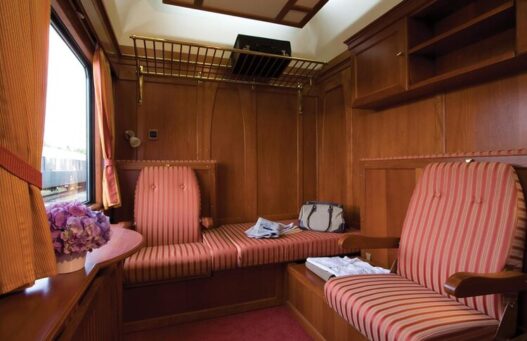
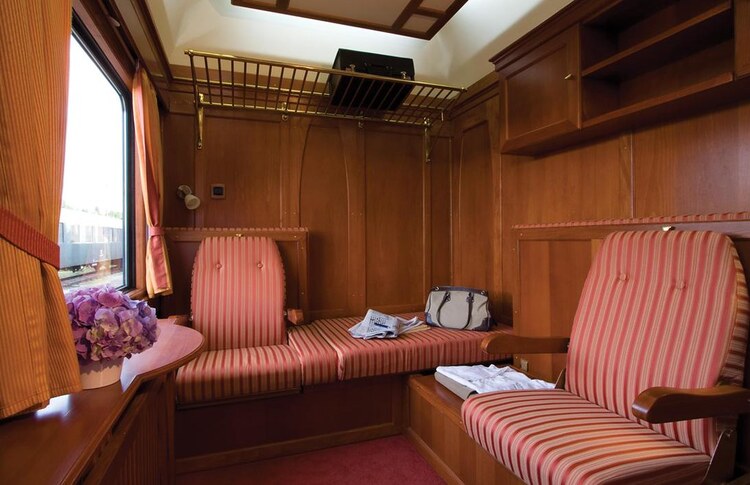
You board in the evening. You read, maybe have a drink, and watch the lights of a city fade as you pull away from the station. Then you sleep. When you wake up, you're somewhere else entirely.
Sleeper train, Europe by train
You haven't lost a day. You haven't sat in a departure lounge eating a EUR 6 sandwich (USD 7). You've just slept, which you were going to do anyway.
That's not a minor thing. It genuinely changes how a trip feels.
The sleeper network in 2026 is meaningfully bigger than it was 5 years ago. Operators have added routes, refurbished rolling stock, and, critically, made booking considerably less arcane than it used to be.
Routes that looked like they'd been quietly wound down have come back. New ones have appeared.
Vienna To Venice: Still The One I'd Recommend First
If someone's never taken an overnight train and wants to try it, this is the route I keep pointing them toward.
The timing works well. You leave Vienna in the evening, settle in, and arrive at the edge of Venice in the early hours of the morning — early enough that you're not wasting half a day, late enough that you've actually slept.
The transition from Central Europe to northern Italy has a particular quality to it that's hard to pin down precisely, but you feel it when you step off the train.
Could you fly? Of course. But airports around both cities sit well outside their centres. By the time you've dealt with transfers on each end, the time advantage of flying shrinks considerably. The train drops you in the city. That's nothing.
Berlin To Brussels: More Useful Than It Sounds
This one surprised me.
It started as a business-travel route — makes sense, both cities attract a lot of people for meetings. But leisure travellers have figured it out too, partly because both cities function as excellent jumping-off points for wider journeys.
If Berlin or Brussels isn't your final stop, it's often an extremely convenient one.
Venturing through the street art in Berlin, Germany
According to reporting from Euronews on Europe's rail network renaissance in 2026, several European rail operators have expanded overnight services as travellers increasingly seek alternatives to short-haul flights.
Again, the city-centre arrival point matters. You pull into a mainline station, walk out, and you're there. No bus transfer, no taxi queue, no 40-minute metro ride lugging a bag.
What Happens To Your Packing
I noticed something unexpected after a handful of sleeper trips: I started packing differently.
When you're not constantly navigating budget airline baggage restrictions and the mental arithmetic of what fits in a 10kg limit, the whole relationship with luggage shifts. Not dramatically, but enough. I stopped bringing things “just in case” and got better at choosing clothes that worked across different temperatures and contexts.
For longer rail journeys, I've found that clothing choices matter more than on shorter trips. When you're moving between multiple cities and dealing with different weather conditions, it's worth giving a bit of thought to versatile travel clothes that work across different climates and settings.
Small choices. Real difference.
Stockholm To Hamburg: A Route That Changes How You Think About Distance
Northern Europe has become one of the more interesting areas for sleeper travel, and this connection is a good example of why.
Scandinavia to Germany overnight. You leave Stockholm, pass through Sweden and Denmark, cross into Germany, and arrive in Hamburg ready to continue south, west, or wherever you're heading. The landscape shifts around you while you sleep.
It sounds simple because it is. But there's something about covering that kind of distance at night — waking up in a different country, watching a new skyline appear outside the window — that makes the geography feel real in a way a flight doesn't.
Zurich To Prague: Quietly One Of The Better Options
This one doesn't get talked about as much as the Vienna or Berlin routes. I'm not entirely sure why.
Zurich and Prague are 2 cities that attract very different kinds of visitors and offer almost nothing in common in terms of atmosphere, architecture, or pace.
Connecting them overnight is logistically tidy: you skip a hotel night, skip airport faff at both ends, and arrive in the centre of each city, ready to start exploring.
Old Town Square, Prague, Czech Republic
For anyone watching their budget, that saved hotel night isn't a small thing. Do that across several stops on a longer trip, and the numbers start to look considerably more persuasive than the train ticket price might initially suggest.
Why This Is The Moment For Sleeper Trains
I'm not making the case that night trains should entirely replace flying. That's not realistic, and honestly, there are routes and circumstances where a flight is simply the right call.
Something has changed in how people are approaching the question.
Speed used to be the only variable that mattered. Now, travellers are weighing other things: the stress of the airport experience, the time wasted on either end of a flight, and the quality of the journey itself. The overnight train offers a different answer to most of those problems.
More routes. More trains. More travellers are trying them for the first time and then booking them again.
After watching the sun come up from a train window somewhere in Central Europe, having slept through several hundred kilometres, it's genuinely difficult to argue that a budget flight would've been the better choice. The journey stopped being an inconvenience and became something worth having done.
That's a harder thing to put a price on — but once you've experienced it, you understand exactly what people mean.