




If you've ever wondered whether it's the right time to rent or buy, you're not alone.
The choice often comes down to where you are right now and what you want next. Renting offers flexibility and more predictable monthly costs, while buying can provide stability and the opportunity to build equity over time.
If homeownership is on your radar, it's important to look at your finances and the loan options available. FHA home loans are one option that can make getting started more accessible, along with other loan types that may fit your situation.
There's no single right answer. The goal is to choose what fits your lifestyle, your budget, and future plans. This guide walks through the key factors to help you decide which path makes the most sense for you.
Overview: Your Finances, Timeline, and Lifestyle
The right housing choice depends heavily on your financial health, your timeline for staying in one location, and your preferred lifestyle.
When Buying Makes Sense
Thinking about homeownership? Here are several key indicators that suggest buying may be the right decision for you.
You Plan to Stay in One Place for Several Years
Purchasing a property can be a good strategy if you intend to remain in the same location for at least five to seven years. Staying in one place allows you to:
- Recover the closing costs associated with the purchase
- Give your property value time to appreciate, contributing to your net worth
- Foster a deeper connection to your neighborhood and community
You Want to Build Equity
Each mortgage payment builds equity, bringing you closer to full ownership and providing a valuable financial asset. As you pay down your loan principal and property values potentially rise, your wealth can grow steadily.
Homeowners can eventually use this accumulated equity for:
- Home renovations
- Education expenses
- A down payment on a future property
You Have Stable Income and Savings
Qualifying for a mortgage typically requires a steady income, a consistent employment history and enough savings to cover upfront costs. In addition to your down payment, lenders will expect you to have funds for closing costs and reserves set aside for unexpected expenses.
When reviewing your loan application, they'll consider how your finances align with your full monthly housing payment, which includes:
- Property taxes
- Homeowners insurance
- Any applicable HOA fees
They want to ensure you'll be able to manage both the initial purchase and ongoing payments.
For more guidance, the Consumer Financial Protection Bureau offers helpful resources on preparing to buy a home.
You Are Comfortable With Maintenance and Ownership Costs
Owning a home means taking on both routine upkeep and ongoing expenses, such as:
- Lawn and landscape maintenance
- Servicing the HVAC system
- Cleaning gutters
- Updating or repairing appliances
When Renting Makes Sense
Renting offers its own set of advantages, particularly for those who value adaptability and financial predictability. Here are some situations where renting might be the better choice for you.
You Need Flexibility or May Move Soon
Renting can be advantageous for individuals who anticipate a job relocation or a change in family circumstances. Standard lease agreements typically last for one year, allowing you to relocate without the involved process and costs of listing and selling a property.
You Want Lower Upfront Costs
Renting requires significantly less cash up front compared to buying a home. While homebuyers usually must provide a down payment in addition to closing costs, tenants generally only pay a security deposit and the first month's rent.
Keeping more cash in your bank account offers several advantages, including:
- Financial flexibility to pursue other investments
- The freedom to travel or save for other goals
- The ability to further your education or career training
You Are Not Ready for Long-Term Financial Commitment
A mortgage represents a substantial financial obligation. Some individuals prefer to avoid tying a large portion of their income to a single real estate asset.
Renting allows you to adjust your housing expenses more easily if your household income or circumstances change. For example, at the end of your rental lease term, you can choose to downsize to a less expensive place or upgrade to a bigger home if you need more room.
You Prefer Fewer Homeownership Responsibilities
Tenants enjoy the convenience of calling a landlord or property manager when household issues arise. The property owner handles the repair costs and coordination if a refrigerator stops working or a roof develops a leak. Many apartment complexes also manage landscaping, snow removal and exterior upkeep. This arrangement frees up your weekends and protects your savings from sudden repair bills.
Key Differences at a Glance
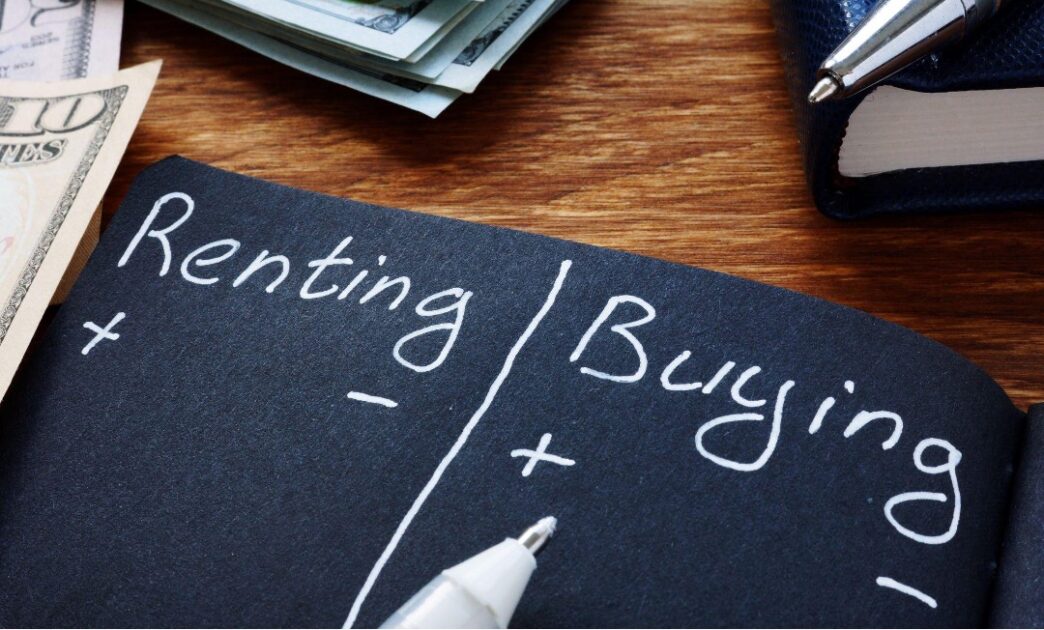
Let's compare buying and renting side by side to see the benefits and potential drawbacks of each option.
| Key Difference | Buying a Home | Renting a Home |
| Upfront Costs | High initial investment for down payment and closing costs | Low initial cost, usually deposit and first month's rent |
| Monthly Costs | Mortgage, property taxes, homeowners insurance, any applicable HOA fees | Rent payment, which is subject to increases after each lease term |
| Equity | Builds wealth over time as you pay down the principal | Does not provide long-term financial return |
| Flexibility | Less mobility since relocating requires selling the property | High mobility; easier to relocate after lease ends |
| Maintenance | Owner is responsible for all repairs and upkeep | Landlord typically handles major appliance repairs and maintenance |
Deciding What's Right For You
Now that you understand the primary differences between renting and buying, consider how the following factors apply to your personal situation.
Your Budget and Savings
Financial readiness serves as the foundation of a successful housing decision. Evaluate your monthly income, existing debt obligations and total savings. Ensure your household budget can accommodate either a mortgage payment or monthly rent while still allowing you to save for retirement, emergencies and your other financial goals.
Job and Location Stability
Where you are in your career can shape what makes sense for housing. If you're settled in a role and don't expect to move anytime soon, buying a home can feel like a logical next step, especially if you're ready to stay in one place for a while. Remote work has made that decision easier for many people, since location matters less than it used to in some cases.
On the other hand, if your job involves travel or you're open to new opportunities in different cities, renting may be a better fit. A lease gives you the ability to move when you need to, without as much commitment.
Local Housing Market Conditions
Real estate trends can vary a lot by region and even by neighborhood, so it's important to look at local home prices and rental rates. In some markets, a monthly mortgage payment can be lower than rent, which makes buying appealing. In others, renting may make it easier to live in higher-priced areas where buying requires a much larger budget.
Government sources like the U.S. Census Bureau and the Department of Housing and Urban Development (HUD) can help you compare housing trends by state and metro area.
Long-Term Financial Goals
Your housing choice should support your long-term financial goals. Buying a home can help you build equity over time, while renting may free up cash to invest elsewhere or stay more flexible. The right option depends on how you plan to grow your finances in the years ahead.
Taking the Next Step in Your Housing Journey
Deciding whether to buy or rent is a highly personal decision. Both offer distinct benefits that can enhance your quality of life and support your personal growth. Evaluating your current lifestyle, professional stability and financial health can help you make an educated choice.
Getting a clear picture of the numbers can also help guide your decision. If you're thinking about buying, mortgage calculators can show how different home prices and interest rates affect your monthly budget — and give you a realistic estimate of how much your mortgage payment could be. Having this information upfront can make it easier to plan your next move.
Photo: Shutterstock / Vitalii Vodolazskyi
The post Buying vs. Renting a Home: Making the Right Choice appeared first on MoneyMiniBlog.