




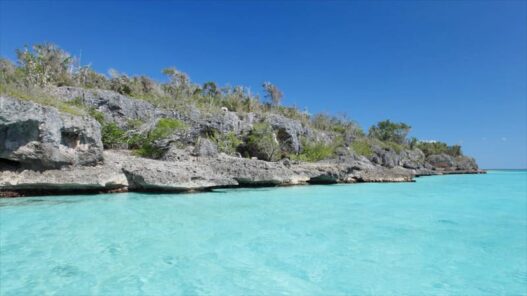
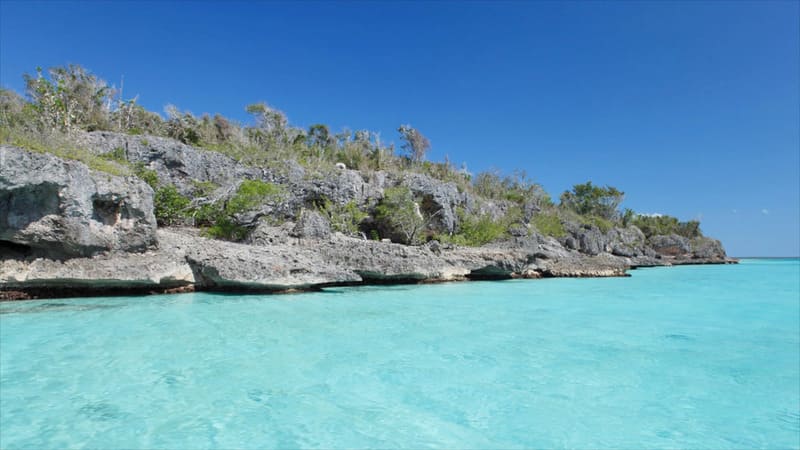
If the Caribbean could tell a story, it would probably start with the Dominican Republic — a place buzzing with rhythm, colour, and just the right amount of chaos to make you feel alive.
This isn't just a place for sun-soaked beaches and all-inclusive resorts — it's a land of contrasts, where history sits beside modern life, mountains rise above deserts, and every corner hums with its own song.
I've wandered streets alive with merengue and baseball, discovered hidden lagoons, climbed sacred peaks, and even had my own little (mis)adventure when someone broke into my Airbnb — not exactly how I pictured my stay. Still, it's a story I'll never forget.
Some of these Dominican Republic facts will make you nod knowingly, others make you laugh, and a few — like a car that rolls uphill or a gemstone you can't find anywhere else — make you question reality entirely.
In this list, I've gathered 15 of the Dominican Republic's quirks, secrets, and treasures, each one a doorway to understanding the heartbeat of this extraordinary island.
Pack your curiosity, open your senses, and get ready to see the island in ways that postcards simply can't capture.
Here are some interesting facts about the Dominican Republic that show why this island is unforgettable.
15 Cool Facts About The Dominican Republic You Didn't Know
1. The Only National Flag With An Open Bible
National Flag With Open Bible Dominican Republic
Source
The Dominican Republic's flag is more than a symbol — it's a sermon stitched in red, white, and blue.
Right at its centre sits an open Bible — the only national flag in the world to feature one. The verse on its pages reads John 8:32: “And the truth shall make you free.”
The design dates back to 1844, the year the Dominican Republic gained independence from Haiti. The colours carry meaning: blue for liberty, red for the blood of heroes, and white for salvation.
Together with the national motto “Dios, Patria, Libertad” (God, Country, Liberty), the flag captures the faith that built this nation.
You can see the original design preserved in the Museo Nacional de Historia y Geografía in Santo Domingo (open Tuesday–Sunday, 9 am–5 pm, DOP 100 / USD 2).
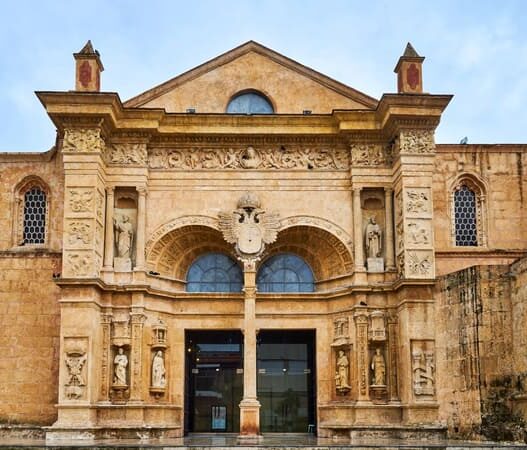
A few blocks away stands the Catedral de Santa María la Menor, completed in 1540 — the first cathedral in the New World.
Walk through its limestone aisles, and you'll see how belief, history, and identity intertwine in every stone.
Location
2. The Road Where Cars Appear To Roll Uphill
Somewhere in the green hills of Barahona lies a road that bends reality. Known as Polo Magnético — the “Magnetic Pole” — this short stretch of asphalt makes cars appear to roll uphill when left in neutral.
This is one of those Dominican Republic facts that feels like it defies reality.
It's not magic; it's a master illusion. The horizon tilts, trees lean at odd angles, and what seems to be a climb is actually a gentle descent.
Yet standing there, you'd swear gravity's rules are being rewritten. Locals love to demonstrate the trick — and even after you understand the science, it still feels oddly enchanting.
Polo Magnético sits about 30 minutes from Barahona town and is free to visit. The best time to go is in the morning when light hits the slopes just right, enhancing the optical mystery.
Location
3. 1 Island, 2 Nations — And 2 Realities
The Dominican Republic shares the island of Hispaniola with Haiti — but not equally.
The DR covers roughly two-thirds of the island's landmass, leaving Haiti the western third.
This division, dating back to the 17th century, has created one of the most fascinating cultural juxtapositions in the Caribbean.
Spanish is spoken on one side, French-Creole on the other. Dominican streets pulse with merengue and baseball games; Haitian towns beat to rara parades and vodou drums.
In Dajabón, a border town, the binational market opens twice a week (Mondays and Fridays, 8 am–4 pm). Thousands cross freely to trade produce, fabrics, and handmade crafts.
It's chaotic, colourful, and deeply human — proof that even a divided island shares an unbreakable heartbeat.
4. From The Caribbean's Highest Peak To Its Lowest Point – Pico Duarte
Pico Duarte, Dominican Republic
Source
The Dominican Republic isn't just beaches — it's a land of extremes. The island holds both the highest peak and the lowest point in the Caribbean.
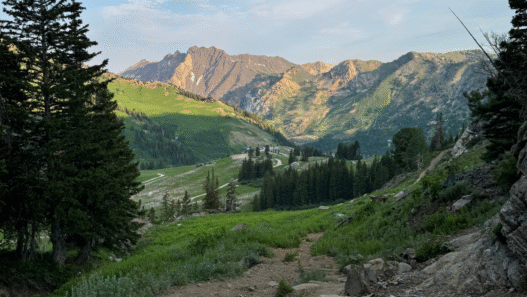
At 3,098 metres (10,164 ft), Pico Duarte towers above the clouds in the Cordillera Central range.
You can join a guided tour to trek Pico Duarte, hiking through pine forests and wild orchids.
Reaching the summit usually takes a 2–3 day trek from Jarabacoa, passing pine forests, wild orchids, and crisp mountain air that feels far removed from the tropics.
At the other end of the island lies Lake Enriquillo, a shimmering saltwater lake sitting 46 metres (151 ft) below sea level — the Caribbean's lowest natural point. It's home to flamingos, crocodiles, and iguanas that laze along the dry, cracked shore.
Few places on Earth let you hike above the clouds in the morning and stand below sea level by afternoon. This one does.
Book your Pico Duarte tour here
5. The Island That Gave The World Merengue And Bachata
Merengue, Dominican Republic
Source
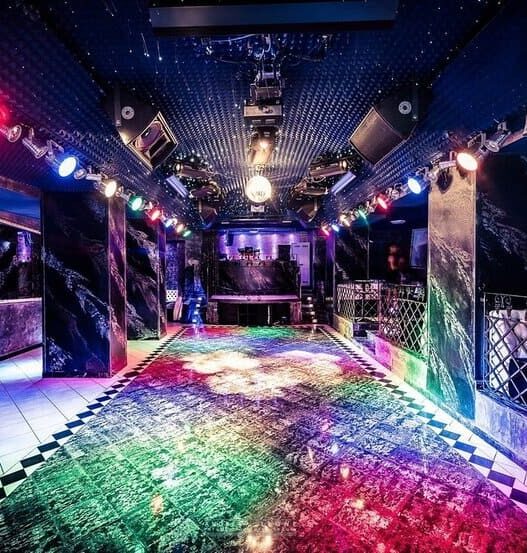
If the Dominican Republic had a soundtrack, it would be Merengue and Bachata. These rhythms don't just fill dance floors — they define a nation.
Merengue was born in the mid-19th century, blending European and African rhythms into a fast-paced dance of joy and resilience.
Bachata followed in the 20th century — slower, more romantic, sung to the ache of guitars and love lost. Today, both are national obsessions and UNESCO-recognised treasures.
6. Baseball Isn't Just A Sport Here
MLB Baseball, Dominican Republic
Source
In most countries, baseball is a pastime. In the Dominican Republic, it's a calling.
From sugarcane fields to city alleys, you'll see kids swinging sticks at bottle caps, dreaming of becoming the next famous Dominicans like David Ortiz or Albert Pujols.
It's a talent factory: the country produces more Major League Baseball players than any other nation outside the U.S., and baseball isn't just played — it's celebrated as part of daily life.
To truly feel the passion, head to Estadio Quisqueya in Santo Domingo during the LIDOM Winter League (October–January).
The atmosphere is electric: horns blare, drums pound in rhythm, and fans wave, chant, and dance in the aisles.
Vendors weave through the crowd with snacks and local drinks, adding a carnival-like energy to every inning.
Watching a game here isn't just spectating — it's participating in a national ritual, where every pitch, swing, and cheer feels alive with the heartbeat of the Dominican Republic.
Location
7. Where Prehistoric Gems Still Shine
Amber Museum, Puerto Plata, Dominican Republic
Source
Long before resorts and rum, this land held treasures beneath its soil. The Dominican Republic is one of the few places on Earth where you'll find amber — fossilised tree resin that often traps prehistoric insects — and Larimar, a sky-blue gemstone found nowhere else.
At the Amber Museum in Puerto Plata (open daily 9 am–6 pm, DOP 300 / USD 5), you can see mosquitoes and leaves preserved for over 40 million years — specimens that inspired Jurassic Park's iconic scene.
Meanwhile, Larimar, sometimes called the “Atlantis Stone,” is mined only in Barahona.
Visit the small village of Bahoruco to see miners carve raw stones from the mountain — or shop certified pieces at the Larimar Museum in Santo Domingo (9 am–7 pm).
Book your Puerto Plata City tour here
8. A Quarter Of the Country Is Protected Nature
It's easy to think of the Dominican Republic as a beach paradise — but over 25% of its land is protected as national parks or reserves.
You can join a guided tour to experience the wonders of Los Haitises National Park.
Glide through twisting mangroves, explore limestone caves adorned with ancient Taíno petroglyphs, and spot flocks of pelicans and other wildlife.
The tour also includes a stop at the stunning white‑sand beaches of Cayo Levantado, making it a full‑day adventure from Samaná.
Or hike the forests of Jaragua National Park, home to flamingos and the endangered rhinoceros iguana. Here, nature isn't an attraction — it's a memory of what the Caribbean once was.
Book your Cayo Laventado And Los Haitises National Park tour here
9. Rum, Coffee, And Mangoes
Rum Factory, Dominican Republic
Source
The Dominican Republic's essence can be tasted in 3 things: its rum, its coffee, and its mangoes.
These aren't just exports or souvenirs; they're living traditions shaped by land, sun, and generations of craftsmanship.
Rum here isn't just a drink — it's a ritual. At the Ron Barceló Factory just outside Santo Domingo, you can join a guided tour to see how Dominican sugar‑cane becomes one of the Caribbean's most awarded rums.
The experience takes you through harvesting, distilling, barrel-ageing and bottling, followed by a tasting of their premium rums.
Coffee, on the other hand, comes from the highlands — where mist hugs the mountains around Jarabacoa and Constanza. At Café Monte Alto, you'll learn how the cool microclimate creates beans with a deep, chocolatey aroma.
The owners talk about coffee like it's poetry — every roast, a story of altitude, soil, and patience.
And then there's the mango — the island's golden jewel.
Every June, Baní, a town 2 hours southwest of Santo Domingo, bursts into celebration for the Mango Festival.
Over 20 local varieties are showcased — Banilejo, Mingolo, Keitt — each juicier than the next. Streets fill with stalls, music, and sticky fingers, making it a colourful celebration of the island's sweetest harvest
These aren't separate worlds — they're flavours woven into Dominican identity. A sip of rum, a cup of coffee, a bite of mango — and you understand something essential about this island's rhythm.
Book your Rum tour here
10. The Longest Coastline In The Caribbean
Stretching for over 1,600 km (1,000 miles), the Dominican Republic's coastline is the longest in the Caribbean — a never-ending ribbon of turquoise and white.
It's a landscape of contrasts: some shores wild and untouched, others sculpted by resorts, each with its own mood.
To the east, Punta Cana is the country's postcard — miles of coconut-lined beaches where soft sand and calm waves meet luxury.
- In the Dominican Republic
But drive west, and you'll find the Dominican Republic's wilder side at Bahía de las Águilas, a six-mile expanse of pristine sand near Pedernales.
It's part of Jaragua National Park, completely undeveloped — no resorts, no vendors, just sea turtles, silence, and some of the clearest water in the Caribbean.
Head north to the Samaná Peninsula, and you'll discover Playa Rincón, often called one of the most beautiful beaches in the world.
Imagine a 3-mile curve of powder-white sand, framed by mountains and palm groves, where fishermen still haul in their morning catch.
Whether it's the surfable waves of Cabarete, the family-friendly calm of Bayahibe, or the remote coves near Montecristi, the coast never repeats itself. It's not one beach — it's a thousand moods of the same sea.
Location
11. Home To The Caribbean's Most Blue Flag Beaches
Bayahibe Beach, Dominican Republic
Source
Clean, safe, and sustainably managed — that's what the Blue Flag means.
Dominican Republic leads the entire Caribbean with the most beaches, earning this distinction: over 40 as of 2024.
Each Blue Flag beach meets strict international standards for water quality, safety, and environmental care.
Playa Dorada in Puerto Plata, for instance, balances resort comfort with environmental integrity — lifeguards trained in eco-management, clean facilities, and coral protection projects offshore.
Down south, Bayahibe Beach near La Romana has also earned its flag, known for its crystalline shallows and turtle nesting zones protected by local volunteers.
What's impressive is how these certifications reflect a national commitment. The Ministry of Tourism has invested in coastal clean-ups, lifeguard training, and educational campaigns for visitors and locals alike.
So when you see that Blue Flag fluttering in the wind, it's not just a symbol — it's proof that paradise is being preserved.
Playa Dorada Location
Bayahibe Beach Location
12. A Cigar Lover's Paradise
When it comes to cigars, most think of Cuba — but connoisseurs know the truth: the Dominican Republic quietly rolls some of the finest cigars in the world.
Santiago de los Caballeros, in the island's lush interior, is the cigar capital. Here, fertile soils and ideal humidity nurture tobacco leaves with unmatched aroma and texture.
Factories like La Aurora Cigar, the oldest in the country (founded 1903), open their doors to visitors (Monday to Friday, 9 am–5 pm, DOP 1,200 / USD 20).
You'll walk through every stage — from leaf fermentation in cedar-scented rooms to the careful hands that roll, press, and cut each cigar.
Dominican brands like Davidoff, Arturo Fuente, and Montecristo dominate global markets, exported to over 120 countries.
But smoking one in its birthplace feels different — especially paired with a glass of aged Brugal or a strong cup of mountain coffee.
It's more than a luxury; it's heritage shaped by patience, soil, and tradition. In a land of rhythm and colour, the slow curl of cigar smoke is another kind of art.
Location
13. Jurassic Park Was Filmed Here
Before CGI took over Hollywood, Steven Spielberg came to the Dominican Republic in 1993 to capture real-world wilderness for Jurassic Park.
Puerto Plata's amber mines inspired the film's most iconic moment — the mosquito trapped in fossilised resin.
At the Amber Museum in the city's historic centre, you can see the exact specimens that sparked the idea. One particular piece, with a prehistoric mosquito suspended in golden amber, looks almost identical to the one in the movie.
Filming also took place in the nearby mountains and jungles, where the dense greenery and mist created the illusion of a lost world.
Even today, standing among the same cliffs and ferns, it's easy to imagine a T-rex roaring in the distance.
It's a small but proud piece of film history — proof that the island's raw beauty can steal the spotlight even from dinosaurs.
Contact the Amber Museum to check for availability
14. Honking Is A Language Of Its Own
Spend a day driving through Santo Domingo or Santiago, and you'll quickly realise the horn is part of Dominican conversation.
Honking here isn't aggression — it's rhythm. It's communication set to the beat of city life.
A short beep says “gracias.” 2 quick taps mean “I'm overtaking.” A long, drawn-out honk translates roughly to “move, amigo!”
The chaos somehow works — every driver improvises within an unspoken code.
Motorcycles weave between cars, guaguas (minibuses) stop wherever passengers flag, and yet traffic somehow flows. The noise, the colours, the gestures — it's urban choreography that somehow avoids disaster through instinct and respect.
For us visitors, it's bewildering at first — then you'll get used to it. Because in the Dominican Republic, even driving tells a story: of rhythm, spontaneity, and a country that dances through every kind of chaos with grace.
15. Cable Car Of Puerto Plata (Teleférico de Puerto Plata)
Cable Car Of Puerto Plata, Dominican Republic
Source
If the Dominican Republic had a throne, Mount Isabel de Torres would sit at the top, and the Teleférico de Puerto Plata is your royal chariot.
This isn't just a cable car — it's an 800-metre ascent into panoramic perfection.
As the city shrinks beneath you, the Atlantic shimmers on the horizon, palms sway like tiny dancers, and the wind whispers secrets of the mountains.
At the summit, the botanical gardens bloom in bursts of colour, and a statue of Christ stretches its arms over the bay, making you feel both tiny and infinite at once.
Book your Puerto Plata City tour with Cable Car Ride here
Tips For Travelling In The Dominican Republic
A trip to the local police station – memorable indeed.
Travelling around the Dominican Republic can be an unforgettable adventure, but a few practical tips will help you make the most of your trip:
Staying Connected
Getting online in the Dominican Republic is easy with an international eSIM.
I used an eSIM that worked from the moment I landed, while another option, like Airalo, also made staying connected seamless across the city. Hotels, cafés, and restaurants mostly offer free Wi-Fi, though speeds can vary.
Money Matters
The local currency is the Dominican Peso (DOP), though US dollars are widely accepted in tourist areas.
ATMs are common in cities but can be scarce in rural regions, so carry some cash. Small bills are handy for taxis, tips, and market purchases.
Getting Around
Public transport includes buses, minibuses (guaguas), and motoconchos (motorbike taxis), but for comfort and safety, consider renting a car, especially for exploring mountains, national parks, or remote beaches.
Safety First
Like any travel destination, exercise caution. Avoid poorly lit streets at night, keep valuables secure, and be aware of common scams.
While tourist areas are generally safe, petty theft can happen — lock your Airbnb or hotel room and keep an eye on your belongings. Don't make the same mistake as us, getting burglarised here!
Language
Spanish is the official language, though English is widely spoken in tourist hotspots. Learning basic Spanish phrases will go a long way, especially in local markets and rural towns.
Weather And Packing
The Dominican Republic has a tropical climate. Light, breathable clothing is essential, plus a hat, sunscreen, and insect repellent. Rain showers are common, particularly from May to November, so a light rain jacket can be useful.
Health And Water
Tap water isn't always safe to drink. Stick to bottled water, and avoid ice from unknown sources. Bring any personal medications and sunscreen, as pharmacies can be limited in smaller towns.
Respect Local Culture
Dominicans are known for their warmth and hospitality. Greet with a friendly “buenos días” or “buenas tardes,” and respect local customs, including dress codes for churches and religious sites.
Enjoy The Pace
Life on the island can be slower than what you're used to. Embrace it! Relax on beaches, dance to merengue in the streets, and let yourself be immersed in the local rhythm.
The Dominican Republic isn't just a Caribbean destination — it's a land of rhythm, flavour, and surprises.
From vibrant music and lively festivals to hidden gems like Larimar, amber, and breathtaking landscapes, every corner invites discovery.
Pack your curiosity, taste its traditions, and explore why the Dominican Republic is known for its energy, famous locals, and endless adventures.
It wasn't all smooth sailing, but it reminded me that every corner of the Dominican Republic has a story, and sometimes, you get the wild ones firsthand!