




This classic trio captures Japan at its most contrasting: modern city life alongside centuries-old temples, fast-paced streets balanced by quiet neighbourhoods where daily life unfolds at a slower rhythm.
This part of Japan isn't just another destination — it feels like a world of contrasts. From futuristic skyscrapers and lively streets to tranquil shrines and Zen gardens, the Golden Triangle has a rhythm all its own. It's vibrant, historic, and endlessly fascinating.
In spring, the cities come alive with cherry blossoms — parks, riversides, and temple grounds are blanketed in soft pink petals.
Visit in autumn, and Kyoto's foliage paints a fiery backdrop that makes wandering temple paths feel magical.
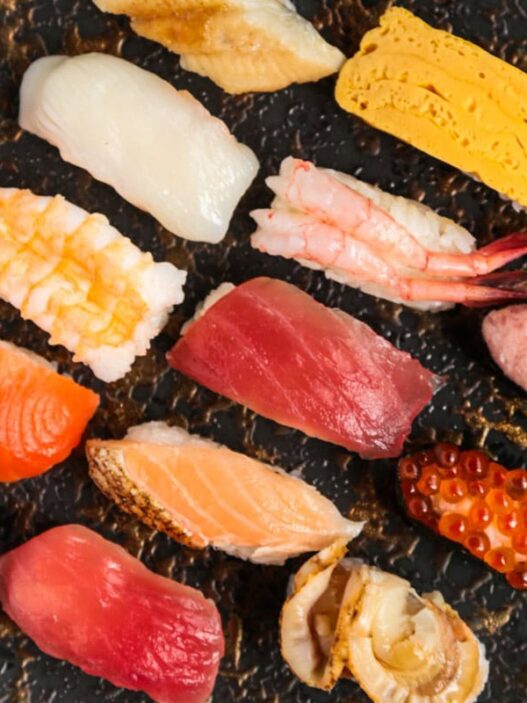
No matter the season, Japan's food scene is a highlight: sushi, ramen, takoyaki, matcha desserts, and local street food offer endless culinary adventures.
The best way to experience it all is with a well-paced Japan itinerary that balances sightseeing with slow moments to savour each city.
Before you go, don't forget to sort out connectivity. A Japan eSIM will make navigating, booking trains, translating and finding hidden spots effortless — no fumbling with paper maps or long queues at the airport.
From iconic landmarks to hidden gems, seasonal highlights, and practical tips, this itinerary has everything you need to make the most of 10 days in Japan.
Plug And Play This 10-Day Itinerary In Japan!
Day 1: Arrival & Settling In, Tokyo
By Car / Taxi
Distance: Approx. 60 km from Narita Airport or 20 km from Haneda Airport to central Tokyo
Duration: Around 1–1.5 hours from Narita, 30–40 minutes from Haneda (depending on traffic)

By Train
Route:
From Narita: Narita Express → Tokyo Station (approx. 60 minutes)
From Haneda: Keikyu Line → Shinagawa Station (approx. 20 minutes)
Touch down in Tokyo, Japan's buzzing capital and your gateway to the country's modern energy.
The city's excellent public transport and compact neighbourhoods make it easy to start exploring right away.
After checking in and dropping off your bags, take it easy to recover from jet lag.
A gentle afternoon walk in your neighbourhood is a great way to get oriented — maybe a nearby shrine or park to stretch your legs.
If you're feeling up for it in the evening, head to Shibuya. Experience the famous scramble crossing, grab dinner at a local izakaya or ramen spot, and soak in the neon-lit streets.
For a slightly quieter alternative, you can visit Tokyo Tower or a nearby observation deck for panoramic city views as night falls.
Book your Tokyo Tower Ticket here
Overnight In Tokyo, Japan
Shibuya Granbell Hotel
A stylish boutique hotel in the heart of Shibuya, surrounded by nightlife, shopping streets, and late-night dining. Modern rooms, sleek design, and excellent transport links make it ideal if you want Tokyo's energy right on your doorstep.
BOOK NOW
The Gate Hotel Kaminarimon
Set near Asakusa's historic streets and Sensō-ji Temple, this hotel blends contemporary comfort with a calmer, more traditional Tokyo atmosphere. Spacious rooms and easy access to multiple subway lines make it a great base for sightseeing.
BOOK NOW
Day 2: East & Old Tokyo
Senso-Ji Temple, Tokyo, Japan
By Car
Distance: Approx. 5–10 km between main spots (Asakusa → Ueno → Yanaka)
Duration: Around 20–30 minutes depending on traffic

By Train / Subway
Route:
Asakusa: Ginza Line → Asakusa Station
Ueno: Ginza Line / Hibiya Line → Ueno Station
Yanaka: Walk from Nippori Station (JR Yamanote Line)
Duration: 10–15 minutes between districts
I'd kick off the morning in Asakusa, one of Tokyo's most charming historic districts. Explore through Senso-ji Temple, the city's oldest temple, you can soak in its peaceful vibe before diving into the lively Nakamise-dōri streets, packed with colourful stalls selling souvenirs, snacks, and traditional crafts.
There's something magical about the way the old Edo-era atmosphere blends with the bustling energy around you — it's the perfect way to ease into Tokyo and get a feel for its past.
Book your Senso-ji Temple tour here
From there, take a stroll along the Sumida River. The riverside paths offer a calm contrast to Asakusa's busy streets and provide plenty of scenic photo opportunities, especially with the Tokyo Skytree in the background.
Next, head to Ueno, a short subway ride away. Explore Ueno Park, famous for its seasonal cherry blossoms and museums. Options include the Tokyo National Museum, or if you're feeling lighter, visit Ueno Zoo for a family-friendly stop.
Book your Ueno Zoological Gardens ticket here
In the afternoon, explore through Yanaka, a nostalgic neighbourhood that survived the bombings of World War II. Its small temples, quiet streets, and old-fashioned shops make it one of Tokyo's most charming areas.
For the evening, dive into Akihabara, Tokyo's electric town. Perfect for anime fans, gamers, and electronics enthusiasts, it's a sensory overload of neon lights, themed cafés, and arcades — an unforgettable way to end your day.
Book your Anime & Manga Lovers Akihabara Tour here
Note: Tokyo traffic can be heavy, so public transport is usually faster.
Overnight In Tokyo, Japan
The Gate Hotel Asakusa Kaminarimon
Perfectly located for exploring Asakusa, Sensō-ji, and riverside walks along the Sumida River. This hotel offers modern comfort with a refined, relaxed atmosphere, ideal for balancing sightseeing with downtime.
BOOK NOW
APA Hotel Ueno Ekikita
A practical and well-located choice near Ueno Park, major museums, and the old-town charm of Yanaka. Compact, efficient rooms and excellent transport connections make it a convenient base for getting around Tokyo.
BOOK NOW
Day 3: West Tokyo — Shibuya, Harajuku & Shinjuku
Shinjuku Godzilla road night street, Tokyo
By Car
Distance: Approx. 5–7 km between main spots (Meiji Jingu → Harajuku → Shibuya → Shinjuku)
Duration: Around 15–25 minutes depending on traffic

By Train / Subway
Route:
From central Tokyo → Harajuku Station (JR Yamanote Line) for Meiji Jingu Shrine
Walk from Harajuku to Takeshita Street and Cat Street
From Cat Street → Shibuya Station (10–15 min walk)
Shibuya → Shinjuku: JR Yamanote Line or subway (approx. 7 min)
Wake up early and begin your day at Meiji Jingu Shrine, tucked into a lush forested area near Harajuku. The serene paths and traditional torii gates make it a peaceful escape from Tokyo's bustling streets.
From there, walk through Takeshita Street, famous for its quirky boutiques, sweet treats, and bold youth fashion. The vibrant energy here is quintessential Harajuku, perfect for photos and people-watching.
Book your Meiji Jingu Shrine & Harajuku tour here
Next, wander into Cat Street, a calmer, more stylish shopping avenue leading toward Shibuya. Here you'll find trendy cafés, local designers, and vintage shops—a nice contrast to Takeshita's chaos.
End your day exploring Shibuya and Shinjuku. Start with the iconic Shibuya Crossing and the Hachiko statue, then explore the mega shopping malls and department stores.
Wrap up with sunset views from one of Shinjuku's skyscraper observation decks, such as the Tokyo Metropolitan Government Building, for a panoramic cityscape.
Note: Tokyo traffic can be heavy; trains/subways are usually faster and more reliable.
Overnight In Tokyo, Japan
Shibuya Excel Hotel Tokyu
Directly connected to Shibuya Station, this hotel puts you steps away from Shibuya Crossing, nightlife, and shopping. Rooms are modern and quiet despite the central location, making it an ideal base for first-time Tokyo visitors.
BOOK NOW
Keio Plaza Hotel Shinjuku
A landmark hotel in Shinjuku's skyscraper district, close to major shopping areas and transport hubs. Spacious rooms, excellent facilities, and easy access to multiple subway lines make it a reliable and comfortable choice.
BOOK NOW
Day 4: Central Kyoto & Gion
By Car
Distance: Approx. 450 km from Tokyo to Kyoto
Duration: ~5–6 hours via Tomei / Meishin Expressway

By Shinkansen / Train
Route: Tokyo Station → Kyoto Station (Tokaido Shinkansen, ~2 hours 15 minutes)
Local transit in Kyoto: Kyoto City Bus and subway lines connect major sights like Nijo Castle, Nishiki Market, and Gion.
Kick off your Kyoto adventure by taking an early Shinkansen from Tokyo. Upon arrival, head to Nijo Castle to explore its sprawling gardens and historic architecture — a serene introduction to Kyoto's samurai-era past.
Next, stroll over to Nishiki Market for lunch. Sample local street food, from fresh sushi and grilled skewers to matcha sweets, and pick up Japanese snacks or souvenirs.
Book your Nishiki Market & Samurai experience here
The bustling market offers a colourful sensory experience in the heart of the city.
In the afternoon, immerse yourself in Japanese culture with a traditional tea ceremony, or try a samurai experience at a local studio to learn swordplay and explore historic homes.
These hands-on activities give a deeper feel for Kyoto's heritage beyond sightseeing.
Book your Traditional Tea Ceromony here
Evening is reserved for Gion, Kyoto's iconic geisha district. Wander along Pontocho Alley, lined with lantern-lit restaurants, and keep an eye out for geisha or maiko on their way to appointments.
The atmosphere here captures Kyoto's romantic, historic charm, perfect for twilight photography and leisurely strolls.
Note: Driving is possible but less convenient; the Shinkansen is faster and avoids city traffic.
Overnight In Kyoto, Japan
Hotel Granvia Kyoto
Located directly inside Kyoto Station, this hotel is perfect for seamless travel and sightseeing. Expect spacious, modern rooms, excellent dining options, and unbeatable transport connections for exploring all corners of Kyoto.
The Royal Park Hotel Kyoto Sanjo
A stylish boutique hotel in central Kyoto, within walking distance of Nishiki Market, Gion, and the Kamo River. It offers a quieter, more refined stay while keeping you close to Kyoto's historic heart.
Day 5: Northern Kyoto — Arashiyama & Kinkaku-ji
By Car
Distance: Approx. 15–20 km from central Kyoto to Arashiyama → Kinkaku-ji
Duration: Around 30–40 minutes depending on traffic

By Train / Bus
Route:
Kyoto Station → Arashiyama: JR Sagano Line to Saga-Arashiyama Station (~15 min).
Arashiyama → Kinkaku-ji: Take the Randen Tram (Keifuku Electric Railroad) from Arashiyama Station to Kitano-Hakubaicho Station. From there, it is a 5-minute taxi or bus ride (#204 or #205) to the temple.

Direct Option: A taxi from Arashiyama to Kinkaku-ji takes about 15–20 minutes and is highly recommended to save time.
Day 5 takes you to Kyoto's scenic north, balancing natural beauty, historic temples, and serene neighbourhoods.
Start in Arashiyama, exploring the famous Bamboo Grove, Tenryū-ji Temple, and the peaceful riverside paths. The area is especially photogenic in early morning light, before the crowds arrive.
For lunch, enjoy one of the local cafés or traditional restaurants in Arashiyama — try tofu dishes, yudofu, or seasonal specialties unique to Kyoto.
Book your Bamboo Grove & Tenryu-ji Temple tour here
In the afternoon, head to Kinkaku-ji, the iconic Golden Pavilion. Its golden façade reflects beautifully in the surrounding pond, creating that postcard-perfect Kyoto scene.
If time allows, wander nearby Saga-Toriimoto Street, a preserved old street full of traditional wooden homes and quiet charm.
Wind down the day with a soak in a sento (public bath) or onsen, letting the calm of Kyoto sink in after a full day of sightseeing.
Note: Driving is possible, but parking can be limited in Arashiyama; trains or buses are usually more convenient.
Overnight In Kyoto, Japan
Sakura Terrace The Gallery
A modern boutique hotel near Kyoto Station, ideal for easy access to buses and trains around the city. Expect contemporary design, comfortable rooms, and a lively yet relaxed atmosphere after a day of sightseeing.
BOOK NOW
Arashiyama Benkei
A refined ryokan-style stay set right in Arashiyama, perfect for a traditional Kyoto experience. Staying here puts you close to the Bamboo Grove, river views, and serene temple walks, with attentive hospitality and classic Japanese touches.
BOOK NOW
Day 6: Southern Kyoto — Fushimi Inari & Uji
By Car
Distance: Approx. 15–25 km from central Kyoto to Fushimi Inari → Uji
Duration: Around 30–40 minutes depending on traffic
Note: Driving is possible, but trains and buses are often faster and easier due to limited parking at Fushimi Inari.

By Train
Route:
Kyoto Station → Fushimi Inari Station (JR Nara Line, ~5 minutes)
Fushimi Inari → Tofuku-ji Temple: ~10–15 min walk
Kyoto Station → Uji Station (JR Nara Line, ~20–25 minutes)
Leaving central Kyoto behind, start your morning at Fushimi Inari Shrine, famous for its thousands of vermilion torii gates winding up the hillside. Arriving early lets you enjoy the path in peace before the crowds flood in. Walking the full trail is invigorating, with small shrines and scenic viewpoints along the way.
Next, wander to nearby Tofuku-ji Temple, renowned for its elegant gardens and Zen atmosphere. In autumn, the maple leaves create a fiery canopy; in other seasons, the temple grounds are equally serene and photogenic.
Book your Zen Meditation & Garden tour here
In the afternoon, hop on a train to Uji, a town celebrated for its matcha and historic temples. Byōdō-in Temple, a UNESCO World Heritage site, is a must-see — its Phoenix Hall reflected in the pond is iconic.
Enhance the experience with a traditional tea ceremony, tasting finely powdered matcha while learning about centuries of tea culture.
Book your Byodo-in Temple ticket here
Don't forget to explore local tea shops and pick up some Uji matcha souvenirs — from premium tea leaves to sweets and biscuits, it's the perfect way to bring Kyoto's flavours home.
Overnight In Kyoto / Uji, Japan
Hotel Granvia Kyoto
Located directly inside Kyoto Station, this hotel is all about convenience. It offers spacious, modern rooms and immediate access to trains, buses, and shopping—making it an easy base for onward travel and full-day sightseeing.
BOOK NOW
Uji Tea Inn
A comfortable stay right in the heart of Uji, just steps from the station. It's perfectly placed for visiting Byōdō-in Temple and wandering Uji's tea streets, with a quieter, more local feel compared to central Kyoto.
BOOK NOW
Day 7: Osaka Highlights
By Car
Distance: Approx. 10–15 km between main spots (Osaka Castle → Namba → Kuromon Ichiba → Shinsekai → Dōtonbori)
Duration: Around 30–40 minutes depending on traffic

By Train / Subway
Route:
Kyoto → Osaka Station (JR Special Rapid Service, ~30 min)
Osaka Castle → Namba Yasaka Shrine (via Chūō Line + Yotsubashi Line, ~20 min)
Namba → Kuromon Ichiba (walk, ~5–10 min)
Kuromon Ichiba → Shinsekai / Tsūtenkaku (Sakaisuji Line to Ebisuchō, ~3 min)
Shinsekai → Dōtonbori (walk, ~25–30 min)
I started the morning at Osaka Castle, wandering through its expansive grounds and climbing up to the observation deck for panoramic views of the city. The castle's history comes alive with museum exhibits and its reconstructed interiors.
Book your Osaka Castle ticket here
Next, I hopped on the subway to Namba Yasaka Shrine, known for its giant lion-head stage. It's a quirky, quick stop that leaves a lasting impression — perfect for photography and a bit of cultural context.
Book your full-day Private Shore tour in Osaka here
Lunch was at Kuromon Ichiba Market, Osaka's street food paradise. From piping-hot takoyaki and fresh sushi to grilled seafood skewers and wagyu bites, it's a feast for the senses and a great introduction to Osaka's culinary culture.
In the afternoon, I explored Shinsekai and Tsūtenkaku Tower. This retro neighbourhood is full of small shops, old-school arcade games, and vibrant local energy. Climbing Tsūtenkaku gives a nostalgic city view, while wandering the streets immerses you in Osaka's unique charm.
Book your Tsutenkaku Tower Ticket here
Evening was spent in Dōtonbori, with its dazzling neon lights, canal, and iconic Glico sign. I tried okonomiyaki at a local restaurant and sampled street snacks along the canal, soaking in Osaka's lively nightlife.
Note: Driving in central Osaka can be slow, especially around Namba and Dōtonbori. Subway and walking are generally faster.
Overnight In Osaka, Japan
Swissôtel Nankai Osaka
Sitting directly above Namba Station, this hotel puts you right in the heart of Osaka's action. Dōtonbori, Kuromon Ichiba, and Shinsekai are all within easy reach, and the direct station access makes getting around the city effortless.
BOOK NOW
Hotel Monterey Grasmere Osaka
Located near Osaka Station, this hotel offers classic European-style interiors with modern comfort. It's ideal if you prefer a more central base with straightforward rail connections for exploring Osaka and travelling onward the next day.
BOOK NOW
Day 8: Theme Park / Fun Day in Osaka
By Car
Distance: ~5–10 km between main spots (Universal Studios Japan → Amerikamura → Umeda)
Duration: Around 20–30 minutes depending on traffic
Note: Driving in Osaka can be slow around Namba and USJ; public transport is usually faster.

By Train / Subway
Route:
Osaka Station → Universal City Station (JR Yumesaki Line, ~15 min)
USJ → Amerikamura: Subway Chuo / Midosuji Lines (~30 min)
Amerikamura → Umeda: Subway ~10–15 min
I started the day at Universal Studios Japan, Osaka's world-famous theme park. If you're a fan of Super Mario, Harry Potter, or big attractions, this is a must-visit. The park is immersive, colourful, and packed with rides that suit both thrill-seekers and casual visitors.
Book your Universal Studios Japan ticket here
Optionally, skip the theme park and explore more of Osaka's subcultures. Amerikamura / American Village, the city's youth-oriented neighbourhood, is full of street art, quirky cafés, vintage shops, and eccentric bars.
It's a fun way to see a different, modern side of Osaka beyond the typical tourist sights.
In the evening, I headed to Umeda for a more relaxed vibe. Rooftop views, sprawling shopping malls, or a casual dinner in one of the city's stylish restaurants make for a calm end to a busy day.
Whether it's the glittering cityscape from the Umeda Sky Building or browsing local boutiques, it's the perfect mix of entertainment and downtime.
Overnight In Osaka, Japan
Swissôtel Nankai Osaka
Located in Namba, this hotel offers unbeatable access to USJ via direct train lines, as well as easy walks to Amerikamura and Dōtonbori. With spacious rooms, city views, and top-tier amenities, it's a comfortable base for enjoying Osaka's energy.
BOOK NOW
Hotel Granvia Osaka
Set directly above JR Osaka Station, this hotel is perfect for seamless transport connections across the city and beyond. Expect modern rooms, reliable comfort, and effortless access to shopping, dining, and train lines for your final days in Japan.
BOOK NOW
Day 9: Day Trip — Nara or Kobe
Nara deer park, Kyoto, Japan
By Car
Nara: Approx. 35 km from Osaka → Nara, ~45 minutes via Hanshin / Meihan Expressway
Kobe: Approx. 30 km from Osaka → Kobe, ~40 minutes via Hanshin Expressway
Note: Driving is flexible, but traffic can vary; trains are often faster for day trips.

By Train / Subway
Nara: Osaka → Nara Station (JR Yamatoji Line, ~45 min)
Kobe: Osaka → Sannomiya Station (JR Kobe Line, ~30 min)
For a calm, historic day, I set off for Nara. Arriving early, I strolled through Nara Park, greeted by friendly deer wandering freely.
The park's expansive grounds are perfect for a morning walk, leading to Tōdai-ji Temple, home to the massive Great Buddha. Nearby, Isuien Garden offers a serene traditional landscape — a peaceful retreat from city bustle.
Book your Nara Park & Todai-ji Temple tour here
Alternatively, I explored Kobe, starting with Kitano-cho, a district filled with charming Western-style houses reflecting the city's cosmopolitan past.
For lunch, I savoured Kobe beef, a must-try indulgence. If time allowed, you should visit Arima Onsen, a historic hot spring town, soaking in the therapeutic waters and winding down after a day of sightseeing.
Book your Arima Onsen experience here
Returning to Osaka in the evening, I enjoyed a quiet dinner in a less touristy neighbourhood, letting the day's experiences sink in.
Overnight In Osaka, Japan
Swissôtel Nankai Osaka
Located above Namba Station, this hotel makes returning from Nara or Kobe effortless, with direct train access and Dōtonbori's nightlife just steps away. Spacious rooms, excellent facilities, and unbeatable connectivity make it an ideal base for your final night in Osaka.
BOOK NOW
Hotel Granvia Osaka
Situated right above JR Osaka Station, this hotel offers a central and stress-free stay with fast connections across Osaka and beyond. With modern rooms and easy access to shopping and dining, it's a comfortable choice to wrap up your Osaka adventures.
BOOK NOW
Day 10: Return / Departure Day
By Car
Osaka (Kansai Airport): Approx. 50 km from central Osaka, ~1 hour via Hanshin Expressway
Tokyo (if returning by Shinkansen/ bullet train): Approx. 500 km from Osaka → Tokyo, ~2.5 hours via Tokaido Shinkansen

By Train / Subway
Osaka → Kansai Airport Station (JR or Nankai Line, ~50–60 minutes)
Osaka → Tokyo Station (Shinkansen, ~2.5 hours)
On the final day, I allowed myself a slow morning to soak in the city one last time.
If flying from Osaka, I wandered the streets of Dōtonbori once more, grabbing last-minute souvenirs, snapping final photos of the neon lights, or enjoying a casual breakfast in a local café.
The morning pace felt unhurried, a nice contrast to the past nine days of exploration.
If flying from Tokyo, I boarded the Shinkansen early, watching the countryside roll by and reflecting on the variety of experiences across Osaka, Kyoto, and Tokyo.
The high-speed ride offered a quiet moment to reminisce about temples, markets, gardens, and street food highlights from the trip.
Before heading to the airport, I treated myself to a small indulgence — perhaps an okonomiyaki bite in Osaka or a matcha dessert in Tokyo — savouring one last taste of Japan.
Overnight Near Airport / Departure
Hotel Nikko Kansai Airport
Perfect for you if you're flying from Osaka, this hotel offers comfortable rooms and a free shuttle to the airport, making your departure stress-free and convenient. It is directly connected to Terminal 1 by a walkway, making it the most convenient option for early departures.
BOOK NOW
Narita Tobu Hotel Airport
If returning from Tokyo, it is a convenient stay near Narita Airport. This hotel provides comfortable rooms, a free shuttle service, and quick access to both terminals — ideal for early flights or a relaxed final night in Japan.
BOOK NOW
8 Unmissable Things To Do In Japan (Tokyo · Kyoto · Osaka)
1. See Mount Fuji And The Five Lakes Region
Take the Mount Fuji Magnificent View Day Trip from Tokyo. This full-day tour takes you to Arakurayama Sengen Park (with the iconic Chureito Pagoda), Oshino Hakkai's spring ponds, Lake Kawaguchi, and vintage Fujiyoshida streets.
Book your Mount Fuji Day Trip here
2. Capture The Best Fuji Vistas On The “Seven Views” Tour
For a more photo-centric Fuji trip, try the Mt. Fuji Seven Great Views Day Tour. Visit the iconic Chureito Pagoda, Oshino Hakkai ponds, Shimomiya Komuro Sengen Shrine, and scenic towns around Mount Fuji.
Book your Mt. Fuji Seven Great Views Day tour here
3. Explore The Heart Of Kyoto: Temples & Bamboo Forest
Join the Arashiyama Bamboo Forest, Kinkaku-ji, Kiyomizu-dera & Fushimi Inari Day Trip from Osaka. This tour covers vegan temples, the Golden Pavilion, the famous torii gates of Fushimi Inari, and the scenic Togetsukyo Bridge.
Book your Arashiyama Bamboo Forest, Kinkaku-ji, Kiyomizu-dera & Fushimi Inari Day Trip here
4. Dive Deep Into Kyoto's Heritage
Take the Kyoto In-Depth Tour: Nijo Castle, Kinkaku-ji, Fushimi Inari Shrine, and Arashiyama's bamboo grove + Tenryū-ji Temple.
A great choice if you want a structured day with the most culturally rich sites.
Book your Kyoto In-depth tour here
5. See Kyoto's Panorama & Sacred Gates
Go for the Kyoto Panoramic Day Tour — includes Nijo Castle, Arashiyama (bamboo + Togetsukyo Bridge), the “Kimono Forest,” Kinkaku-ji, and the Senbon Torii (thousands of torii gates) at Fushimi Inari.
Book your Kyoto Panoramic Day tour here
6. Wander Kyoto's Spiritual & Nature Trails
Under the same panoramic tour, but this time with a focus on praying at Nonomiya Shrine, walking the bamboo forest, and reflecting at quiet mountain temples.
This gives a more contemplative, less touristy side of Kyoto.
Book your Kyoto Panoramic Day tour here
7. Taste Osaka's Street Food Culture In The Evening
Book the Osaka Local Foodie Walking Tour (Dōtonbori + Shinsekai) — 3.5 hours guided walk, tasting kushikatsu, okonomiyaki, takoyaki, and other Osaka classics.
Book your Osaka Local Foodie Walking tour here
8. Discover Osaka's Hidden Food Streets & Local Life
Try the History Walking Tour & Street Food in Osaka — explore back alleys in Namba, see local markets, learn about Shinto & Buddhist history, and sample street food like gyoza, sushi, and takoyaki.
Book your History Walking Tour & Street Food tour here
Best Time To Visit Japan (Tokyo, Kyoto & Osaka)
Japan's main island shifts dramatically through the seasons — from spring blossoms and summer festivals to fiery autumn leaves and winter illuminations. No matter when you visit, each period offers something special across Tokyo, Kyoto, and Osaka.
Japan In Winter (December To February)
Winter brings crisp air, clear skies, and some of the best views of Mount Fuji.
Tokyo glows with extravagant winter illuminations, Kyoto's temples feel quieter and more atmospheric, and Osaka's food streets stay lively even in the cold.
If you're travelling during this season, expect chilly days — especially in Kyoto — and pack warm layers, gloves, and waterproof shoes.
Winter is great for: light displays, hot springs, snowy day trips to Nikko or Hakone, and crowd-free sightseeing at major temples.
Japan In Spring (March To May)
Spring is sakura season — the most anticipated time of the year.
Cherry blossoms usually open from late March to early April across Tokyo, Kyoto, and Osaka, transforming parks and riversides into soft pink landscapes.
Popular spots include Ueno Park in Tokyo, Maruyama Park in Kyoto, and Osaka Castle Park.
Beyond sakura, the weather is comfortable for walking, photography, and exploring historic streets.
Expect large crowds during peak bloom, and pack a light jacket for cool evenings.
Japan In Summer (June To August)
Summer is vibrant, energetic, and festival-filled — though also hot and humid, especially in the cities.
June brings the rainy season, but from July onwards, you'll find dazzling fireworks festivals, lively matsuri, and longer daylight hours for sightseeing.
Tokyo Bay fireworks, Gion Matsuri in Kyoto, and Tenjin Matsuri in Osaka are major highlights.
For nature lovers, it's the season for lake cruises near Mount Fuji, sunflower fields, and evening strolls along illuminated riversides.
Pack breathable clothing, a hat, sunscreen, and a portable fan.
Japan In Autumn (September To November)
Autumn might be the most beautiful season in Japan, but here's why I'll NEVER visit Japan in autumn.
From mid-October to late November, the countryside and temple gardens explode into red, gold, and amber hues.
Kyoto is especially breathtaking — places like Eikando, Tōfuku-ji, and Arashiyama shimmer in autumn colours.
Tokyo and Osaka also offer spectacular foliage in parks and mountain edges.
The weather is cool and comfortable, perfect for long walks, food markets, and exploring heritage districts.
Bring light layers and a small umbrella — autumn showers can appear unexpectedly.
Getting Around Tokyo, Kyoto, And Osaka, Japan
Transport in Japan
These 3 cities are incredibly well-connected, and choosing the right transport will make your 10-day Japan itinerary smoother, faster, and far less tiring. Whether you're hopping between neighbourhoods in Tokyo or moving city to city, here's how to navigate everything easily.
Public Transport In Japan
All 3 cities have excellent rail and subway systems — fast, frequent, and foreigner-friendly.
Tokyo
The metro, JR lines, and private railways criss-cross the city. You'll rely heavily on the JR Yamanote Line (the loop line), plus metro routes for places like Asakusa, Shibuya, and Roppongi.
Kyoto
The bus network fills in the gaps where trains don't go. Buses connect most major temples and districts, including Kiyomizu-dera, Gion, and Arashiyama. Two subway lines cover the central areas.
Check out Kyoto's bus and subway timetable here
Osaka
The Midosuji Line is the main artery connecting hotspots like Umeda, Namba, and Shin-Osaka. Local JR lines and subways make the city straightforward to navigate.
Using an IC card (Suica, Pasmo, Icoca) lets you tap in and out without fuss, and Google Maps works perfectly for transfers.
Check out Osaka's Midosuji Line timetable here
Shinkansen (Bullet Train)
Travelling between cities is quickest and smoothest by Shinkansen.
- Tokyo → Kyoto: ~2 hr 15 min
- Kyoto → Osaka: ~15 min by JR Special Rapid
- Tokyo → Osaka: ~2 hr 30 min
Seats are comfortable, departures are frequent, and trains run with near-perfect punctuality. Advance reservations are recommended during peak seasons.
If your itinerary includes round-trip or extra travel days, a JR Pass or regional pass may offer savings.
Renting A Car
For a Tokyo–Kyoto–Osaka itinerary, a car is rarely useful. Traffic, parking fees, and narrow streets make driving inconvenient in major cities.
The only exception:
If you plan day trips to places like Hakone, Mt Fuji areas, or certain countryside spots outside Kyoto, renting a car for that segment only can be helpful.
But for the core city-to-city journey, public transport is unquestionably the best option.
Best Way To Get Around The 3 Cities
For most travellers, the winning combo is:
- City travel: IC card + metro/JR/subway
- City-to-city travel: Shinkansen (bullet train)
- Budget alternative: Long-distance buses
- Optional extras: Car rental for countryside day trips only
If your trip includes lots of sightseeing across central districts, public transport is fast and painless.
But if you're exploring just outside the city limits or want more freedom for nature trips, renting a car for a day or two is a great supplement — not a replacement.
Travel Tips For Visiting Tokyo, Kyoto & Osaka, Japan
Whether you're visiting for skyscrapers, temples, or street food, a few smart tips will make your Tokyo–Kyoto–Osaka itinerary smoother, safer, and more enjoyable.
Internet And SIM Cards
Most hotels, cafés, and even trains offer Wi-Fi, but coverage can be spotty in some older neighbourhoods or rural spots near Kyoto and Osaka.
To stay connected, consider a Japanese travel eSIM. If you're hopping between cities or working remotely, this is highly recommended.
ATMs, IC Cards, And Cash
Japan is still largely cash-based outside major tourist hubs.
7-Eleven ATMs accept international cards in most locations, but small shops or local restaurants may not.
Get a Suica (Tokyo) or ICOCA (Osaka/Kyoto) IC card to tap in and out of trains, buses, and convenience stores. It saves time and avoids fumbling for exact change.
Cultural Etiquette To Know
Even in busy cities, Japanese customs apply. Always remove shoes indoors, queue politely, and speak quietly on public transport.
Tipping is not expected. Learning a few phrases—like arigatou (thank you) or sumimasen (excuse me)—goes a long way.
What To Pack
Tokyo can be hot and humid in summer, while Kyoto and Osaka may feel slightly warmer in the day but cooler in the evenings. Layered clothing is essential.
Winter:
warm coats, gloves, and scarves—especially for Kyoto's chilly mornings and evenings.
Summer:
lightweight, breathable clothing and sun protection; bring a small umbrella for sudden rain.
Other Essentials:
reusable chopsticks, a small towel (many public restrooms lack hand dryers), and comfortable walking shoes—temples and streets involve a lot of strolling.
Useful Apps And Travel Tools
Having the right apps makes moving between Tokyo, Kyoto, and Osaka effortless.
Google Maps is reliable across all three cities.
Planning a Google map route is essential for navigation. Download offline maps for subway lines or neighbourhoods in advance to navigate without data.
Public Transport Apps
Apps like Navitime Japan and Japan Transit Planner offer English-language route suggestions, bus schedules, and last-train alerts.
For planning Shinkansen travel, the JR East / JR West apps are invaluable.
Suica / ICOCA Apps
Tap-and-go IC cards can now be loaded on Apple Wallet or Google Pay, allowing you to travel light without carrying a physical card.
Perfect for hopping between Shinjuku, Namba, or Gion with minimal fuss.
Extra Tip: If you plan to explore a lot of historic or cultural sites in Kyoto and Osaka, bring a lightweight backpack with water, snacks, and a portable battery for your phone—it'll keep you comfortable for full-day temple or food tours.
Optional: Must-Try Dishes In Japan
Sushi & Sashimi (Tokyo):
Tokyo is home to some of Japan's freshest fish markets. Try premium sushi at Ginza or queue for a counter seat at Toyosu or in local neighbourhood sushiya.
Tempura (Tokyo):
Crisp, delicate, and beautifully fried. Tempura restaurants in Tokyo specialise in seasonal vegetables and prawns served with dipping sauce or salt.
Ramen (Nationwide):
Each city has its own take: soy-based bowls in Tokyo, rich tonkotsu in Osaka, and lighter broths in Kyoto. Expect queues — it's part of the experience.
Kaiseki (Kyoto):
A multi-course meal celebrating seasonal ingredients, prepared with incredible precision. Kyoto is the birthplace of kaiseki, and it shows.
Soba & Udon (Kyoto):
Buckwheat soba and thick, chewy udon are staples of Kyoto's traditional food scene. Perfect for a peaceful lunch between temples.
Matcha Desserts (Uji & Kyoto):
Matcha parfaits, matcha mochi, matcha ice cream — Kyoto's matcha culture is unbeatable thanks to nearby Uji.
Takoyaki (Osaka):
Soft, melty octopus balls topped with bonito flakes and mayo. Osaka is the undisputed champion of takoyaki.
Okonomiyaki (Osaka):
A savoury pancake packed with cabbage, meat or seafood, and finished with a sweet tangy sauce. Make sure to eat it fresh off the grill.
Kushikatsu (Osaka):
Deep-fried skewers of meat, vegetables, and seafood — crispy, addictive, and best paired with a cold drink in Shinsekai.
Tokyo Food Highlights
Sushi
Tokyo is a playground for food lovers — energetic, experimental, and diverse. You can go from Michelin-star sushi to smoky yakitori alleys in the same evening.
Must-Try Dishes In Tokyo
Sushi & Sashimi — Top-tier fish at local sushiya or markets.
Tempura — Light, crisp, and best enjoyed counter-style.
Tokyo-style Ramen — Typically soy-based with firm noodles.
Yakitori — Charcoal-grilled skewers in traditional alleys.
Monjayaki — A messy, savoury Tokyo version of okonomiyaki.
Where To Eat In Tokyo
Tsukiji Outer Market — sashimi bowls, tamagoyaki, fresh snacks.
Shinjuku Omoide Yokocho — yakitori and nostalgic alley dining.
Ginza — upscale sushi and tempura restaurants.
Shibuya / Ikebukuro — ramen shops with endless queues (worth it!).
Kyoto Food Highlights
Udon
Calm, refined, thoughtful — Kyoto's cuisine reflects its history. Expect delicate flavours, seasonal ingredients, and peaceful dining experiences.
Must-Try Dishes In Kyoto
Kaiseki — Traditional multi-course meal celebrating seasonality.
Shojin Ryori — Buddhist vegetarian cuisine served in temples.
Matcha Desserts — Parfaits, mochi, soft serve and more from Uji.
Soba & Udon — Simple, wholesome noodle shops tucked away in old streets.
Yuba (Tofu Skin) — A Kyoto speciality, soft, creamy, and comforting.
Where To Eat In Kyoto
Nishiki Market — Kyoto snacks, sweets, skewers, and tofu doughnuts.
Gion — refined restaurants perfect for kaiseki or Kyoto-style dining.
Uji — matcha cafés serving the freshest green tea creations.
Arashiyama — traditional eateries near the river and bamboo forest.
Osaka Food Highlights
Okonomiyaki
If Kyoto whispers, Osaka shouts — and its food is all about fun, flavour, and street-side indulgence. They don't call it “Japan's Kitchen” for nothing.
Must-Try Dishes In Osaka
Takoyaki — Crispy outside, gooey inside, topped with bonito flakes.
Okonomiyaki — Savoury pancake grilled right at your table.
Kushikatsu — Deep-fried skewers served with dipping sauce.
Osaka-style Ramen — Rich broths and bold toppings.
Negiyaki — A thinner, scallion-filled cousin of okonomiyaki.
Where To Eat In Osaka
Dōtonbori — endless street food: takoyaki, okonomiyaki, crab, ramen.
Kuromon Ichiba Market — wagyu skewers, seafood, fruit stalls.
Shinsekai — the home of kushikatsu.
Namba / Umeda — casual eateries, izakaya, and ramen late into the night.
A 10-day journey through Tokyo, Kyoto, and Osaka gives you the perfect balance of culture, food, history, and modern excitement.
From neon skylines and ancient temples to quiet tea towns and lively street markets, each city offers something unforgettable — and travelling between them is effortless thanks to Japan's world-class transport.
Whether you're chasing cherry blossoms, autumn leaves, or simply great food and atmosphere, this itinerary sets you up for a trip filled with variety, discovery, and moments you'll remember long after you've flown home.