







Making sushi at home might seem intimidating at first, but once you learn about the ingredients involved, how to prepare the rice, and how to create beautiful rolls, it quickly becomes a fun and surprisingly simple process. This guide will walk you through it step by step.
Sushi is one of those dishes that feels both simple and incredibly refined at the same time. With just a few ingredients – vinegared rice (if you don't already have a method, you can follow my step-by-step guide on how to make sushi rice), nori (seaweed), and toppings—you can create everything from delicate nigiri to colorful rolls packed with flavor.
This guide is designed to help you make simple, approachable rolls—the kind you can enjoy without stress or special training. You won't find complicated techniques or hard-to-source ingredients here. Instead, the focus is on easy methods and familiar fillings that work well for beginners and home cooks.
This guide is perfect for:
- Casual dinners with family
- Sushi nights with friends
- When you're craving sushi late at night or don't want to spend a fortune ordering in
Think of this as your go-to guide for relaxed, homemade sushi—not perfection, but something satisfying and fun to put together.
What is Sushi?
Sushi is a Japanese dish made with vinegared rice (called shari) combined with ingredients like seafood, vegetables, and seaweed. While many people associate sushi with raw fish, the rice is actually the defining element. In fact, you can make it with cooked seafood (I often use my tuna salad recipe as a filling), vegetables, or even just egg.
The balance of slightly sweet, tangy rice with fresh or savory toppings is what gives sushi its signature flavor.
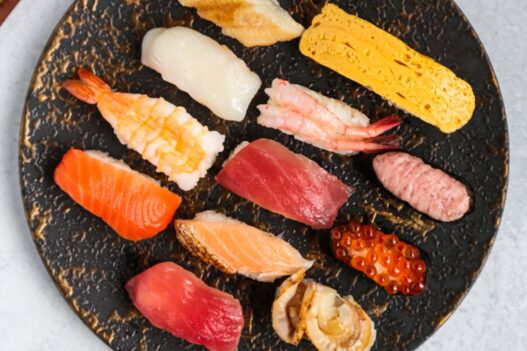
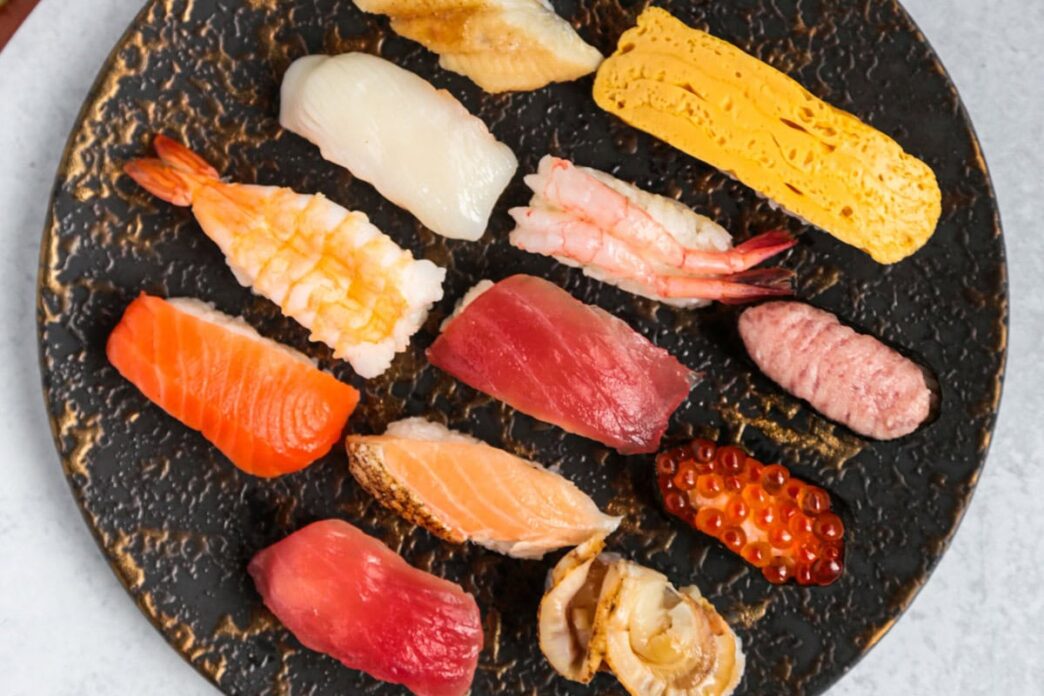
Nigiri (握り寿司) Hand-pressed rice topped with a slice of fish or seafood. Simple, elegant, and all about balance.
Maki (巻き寿司) Rolled sushi wrapped in nori (seaweed) and sliced into bite-sized pieces. This includes popular rolls like California roll, Philadelphia roll, and spicy tuna roll.
Chirashi (ちらし寿司) A bowl of sushi rice topped with a variety of ingredients like sashimi, vegetables, and egg.
Temari (手まり寿司) Temari sushi are small, round sushi balls often served at celebrations. They're delicate and visually beautiful.
Inari (稲荷寿司) Inari sushi are sweet tofu pockets filled with sushi rice. No rolling required, and very beginner-friendly.
Oshizushi (押し寿司) Pressed sushi made using a wooden mold, where layers of rice and toppings are compacted into a firm block and sliced. It's quite vinegary and popular in the kansai region. It has a slightly denser texture than other types of sushi.
Sushi Ingredients Needed
Rice: This is the foundation of all sushi. For best results, use short grain Japanese rice (Japonica) like sasanishiki, known for its light texture and fluffy texture. Avoid confusing it with Nishiki, a California-grown medium-grain rice. Koshihikari is another great option, though it tends to be a bit stickier.
Vinegared seasoning: A mix of rice vinegar, sugar, and salt. Sometimes a little dashi is also used.
Nori (seaweed): Used for rolls (maki). Nori a slightly briny, umami flavor and helps hold everything together.
Fish and protein: Raw fish like salmon, tuna, or yellowtail, cooked shrimp and raw sweet shrimp, crab, eel, sweet rolled egg (tamago), thinly sliced cooked beef or pork.
Vegetarian option: Tofu, yuba (tofu skin), natto, cucumber, kanpyo (dried gourd), umeboshi (pickled plum), takuan (pickled daikon).
Toppings (optional). Tempura bits, green onions, shredded shiso leaves, tobiko, sesame seeds.
Why Rice Is the Most Important Part
When it comes to sushi, the rice matters more than anything else. It's easy to focus on the fillings—fresh fish, crisp vegetables, or flavorful sauces—but without properly seasoned rice, even the best ingredients will fall flat.
Sushi rice should be slightly sticky, tender, and seasoned with the perfect balance of vinegar, salt, and sugar. It's what holds rolls together, supports the toppings, and delivers that signature sushi flavor in every bite.
Temperature also plays a big role. Sushi rice should be served at room temperature. Rice that's too warm can affect the texture of the fillings and make rolls fall apart, while cold rice becomes firm and loses its delicate, slightly chewy texture.
Read my tutorial on how to make sushi rice to find out the perfect measurements and handling techniques.
What Does “Sushi-Grade Fish” Mean?
“Sushi-grade” isn't an official regulated term, but it generally refers to fish that has been handled and frozen in a way that makes it safe to eat raw. Most Japanese supermarkets sell sushi-grade fish and the quality is generally excellent. But raw fish shouldn't be purchased from just any regular grocery store.
If you're buying fish for sushi:
- Purchase from a trusted fishmonger
- Ask if it's safe for raw consumption
- When in doubt, use cooked ingredients instead
How to Make Sushi at Home
Making rolls at home is easier than it looks once you get the basics down.
- Prepare the Rice. Cook and season your rice, then let it cool to room temperature.
- Set Up Your Station. Lay out your ingredients so everything is within reach.
- Assemble. Place nori on a bamboo mat, spread a thin layer of rice, an add your fillings.
- Roll and Slice. Roll tightly using the mat, then slice with a sharp knife.
- Plate nicely. I believe sushi always tastes better when it looks nice and clean, like a beautiful mosaic. Serve with soy sauce, wasabi, and pickled ginger.
Tips for Better Sushi
- Use slightly damp hands when handling rice so it doesn't stick
- Don't overfill your rolls—it makes them hard to close
- Use a sharp knife and wipe it between cuts for clean slices
- Let the rice cool before assembling (hot rice will ruin texture and can partly cook raw fish)
What to Serve with Sushi
Sushi is usually served with a few simple sides that complement its light, clean flavors. When putting together a sushi meal at home, think fresh, balanced, and not too heavy.
Here are some easy options to round out your spread:
- Miso Soup. A warm bowl of miso soup pairs perfectly with sushi. It's light, comforting, and adds a savory depth without overpowering the meal.
- Seaweed Salad. Bright, slightly sweet, and a little tangy, seaweed salad, also known as kaisou salad, adds a refreshing contrast to sushi.
- Edamame. Steamed and lightly salted soybeans are a simple, protein-rich side that's always a crowd-pleaser. Or try something a little like this edamame recipe with soy and sesame.
- Japanese Cucumber Salad (Sunomono). Cool, crisp, and vinegary, sunomo salad helps cleanse the palate between bites.
- Green salad. The classic green salad with carrot ginger dressing served in almost all the restaurants. Or try something different by following my Japanese salad dressings guide.
- Tempura. Light and crispy vegetable or shrimp tempura makes a great side to any rice based dish.
Sushi might seem intimidating at first, but once you understand the basics, it becomes a fun and creative way to cook at home.
Start with simple rolls like these maki rolls or a chirashi bowl, focus on getting your rice just right, and build from there. Over time, you'll develop your own style—and that's when making sushi really becomes enjoyable.
Frequently Asked Questions
It can be. Sushi made with fresh ingredients, vegetables, and moderate portions of rice is generally balanced, but fried rolls and heavy sauces can increase calories.
Absolutely. Many sushi recipes use cooked seafood or vegetables only.
This usually happens when there's too much filling or the roll wasn't rolled tight enough. It could also be the type of rice used – it may not be sticky enough if it's not short grain Japanese rice.
It helps, but you can also roll sushi using parchment paper or a clean kitchen towel.
Sushi is best eaten fresh, ideally within a few hours of making it.









![13 Unmissable Things To Do In Panama City [2026 GUIDE]](https://rjema.com/wp-content/uploads/2026/05/13-Unmissable-Things-To-Do-In-Panama-City-2026-GUIDE-527x703.jpg)