




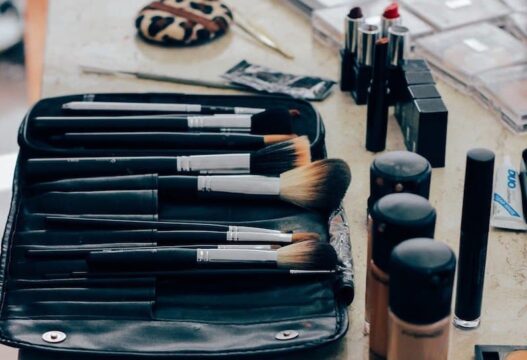
Woman Choosing Eye Shadow Colour
Source Freepik
Mobile beauty professionals, including hairstylists, makeup artists, estheticians, and nail technicians, are running fully independent businesses from a smartphone while working across multiple cities and countries.
Booking software, mobile payment tools, and social media platforms have replaced the traditional salon setup entirely. A cosmetologist can now accept bookings, process payments, attract new clients, and manage taxes without a fixed location. In this guide, we'll break down exactly how they do it.
TL;DR:
- Booking apps like Booksy Biz handle scheduling, payments, and reminders automatically
- Instagram and TikTok attract new clients in each city through location-tagged content
- Income extends beyond appointments through affiliate deals, UGC, and digital products
- ITEC, CIDESCO, and the Cosmetology Licensure Compact keep professionals legally compliant across borders
Booking Clients and Collecting Payments Without a Front Desk
Mobile beauty professionals use an online booking system to manage appointments, payments, and client communication entirely from their phone. Apps like Booksy Biz let independent stylists and estheticians set their availability, accept bookings 24/7, send automated reminders, and require deposits to protect against no-shows. Clients book and pay directly through the app, eliminating the need for phone calls or manual invoicing.
Most platforms include a built-in mobile point-of-sale system that processes card payments on the spot. Travelling professionals also add a travel surcharge, typically $15 to $30 per visit, directly into their service pricing.
Building a Client Pipeline Through Social Media Content
Mobile beauty professionals use Instagram and TikTok as their primary client acquisition channels. Before-and-after transformations, process videos, and location-specific content attract both local clients and brand partnerships.
Woman Recording Make-up Video
Source Freepik
For example, a stylist working in Lisbon this month and Mexico City next month documents that journey, and the travel context itself builds an audience. Consistent posting replaces the foot traffic a physical salon would generate.
Here are the most effective content types for travelling beauty pros:
- Before-and-after photos and videos showing service results
- Short-form process videos filmed on location in different cities
- Client testimonial clips recorded immediately after appointments
- Travel lifestyle content that shows the nomadic work setup
- Product reviews and tutorials that open the door to affiliate income
Profiles function as a live portfolio, letting potential clients evaluate work quality before booking.
Stacking Multiple Income Streams Beyond Service Work
Mobile beauty professionals rarely rely on service income alone. The same phone and social media presence used to attract clients also generates revenue through brand partnerships, content creation, and digital products.
A travelling esthetician with an engaged following can earn from multiple directions simultaneously without adding appointments to their calendar.
5 common income streams mobile beauty pros add beyond hands-on services:
- Affiliate marketing, earning a commission when followers purchase products through shared links
- User-generated content (UGC) deals, where brands pay for promotional videos produced for the brand's own channels
- Micro-influencer sponsorships are typically available to accounts with 1,000 to 100,000 followers in beauty and lifestyle niches
- Online tutorials or mini-courses sold through platforms like Teachable or Gumroad
- Product recommendation storefronts through programs like Amazon Associates or LTK
None of these income streams requires a fixed location, making them a natural fit for professionals already working remotely.
Licensing is the most complex part of running a mobile beauty business internationally. Cosmetology regulations vary significantly by country and, within the United States, by state. A license valid in Texas does not automatically permit work in New York. Professionals who work across multiple locations need to understand which credentials travel and which do not.
Several options exist for beauty professionals working across different jurisdictions:
- ITEC certification, an internationally recognised qualification accepted in over 33 countries, including those across Europe, Canada, and Australia
- CIDESCO certification, another globally recognised credential based in Europe and widely accepted in the spa and skincare industries worldwide
- The Cosmetology Licensure Compact, a growing U.S. agreement that allows licensed professionals to work across participating states without reapplying
- Service specialisation in makeup artistry or hair braiding, which face fewer hard licensing barriers in most countries compared to chemical services like colouring or perming
Building a Nomad Tech Stack to Keep the Business Running on the Road
Managing a beauty business across multiple countries requires more than booking software. Mobile beauty professionals build a secondary layer of tools that handle connectivity, finances, organisation, and legal compliance while travelling.
Reliable internet access comes first. Professionals use eSIM services like Airalo or Jetpac to activate local data plans before landing in a new country, avoiding SIM swaps and roaming fees. On appointment days, many book coworking spaces through networks like Croissant or WeWork to guarantee a stable connection for client communication.
Cross-border finances require dedicated tools. Wise handles international transfers and holds multiple currencies without the fees traditional banks charge. Revolut works similarly for daily spending abroad.
Lastly, organisation tools like Notion keep visa deadlines, client schedules, and travel bookings in one place. Location tracking apps like Nationly log time spent in each country automatically, generating records needed for tax compliance and digital nomad visa applications.
Running a mobile beauty business while travelling the world is operationally realistic in 2026. The combination of online booking systems, social media marketing, and nomadic financial tools removes the dependence on a fixed location that once defined the beauty industry.
The professionals doing this successfully treat each element as a separate system worth getting right. If you are considering this path, the starting point is simpler than it looks:
- Set up an online booking system that handles scheduling, payments, and reminders automatically
- Build a consistent social media presence before you start travelling, not after
- Research which of your existing credentials are valid in your target destinations
- Add at least one income stream beyond direct service work
- Assemble your travel tech stack before your first trip, not during it
FAQs
What app do mobile beauty professionals use to manage bookings?
Mobile beauty professionals use dedicated salon booking apps like Booksy Biz to manage appointments, automate reminders, collect deposits, and process payments from a single mobile interface. These platforms include a built-in online booking system that lets clients self-schedule 24/7, eliminating the need for manual coordination.
Do mobile beauty professionals need a cosmetology license to work internationally?
Licensing requirements vary by country and service type. Professionals pursuing international work often obtain ITEC or CIDESCO certification, both globally recognised credentials accepted across Europe, Canada, Australia, and beyond. Makeup artists and hair braiders generally face fewer hard licensing barriers abroad compared to those performing chemical services like colouring or perming.
How do travelling beauty pros find new clients in unfamiliar cities?
Most travelling beauty professionals use Instagram Reels and TikTok to attract local clients in each new destination. Location-tagged content, before-and-after videos, and city-specific hashtags help new audiences discover their work organically. Many also list their services on on-demand beauty platforms that connect licensed professionals with clients in specific metro areas.
How do mobile beauty professionals get paid while working abroad?
Mobile beauty professionals collect payments through mobile point-of-sale systems integrated into their booking apps. For cross-border income, services like Wise and Revolut handle international transfers and multi-currency accounts without the fees traditional banks charge. Some professionals also invoice international clients directly through platforms like Stripe.
Can a mobile beauty professional earn income without doing appointments?
Yes. Travelling beauty professionals generate income through affiliate marketing, UGC brand deals, micro-influencer sponsorships, and digital products like online tutorials or mini-courses. These income streams require no fixed location and run alongside active service work, often through the same social media accounts used for client acquisition.
What is the Cosmetology Licensure Compact, and who does it affect?
The Cosmetology Licensure Compact is a U.S. interstate agreement that allows licensed cosmetologists to practice across participating states without reapplying for a new license in each one. As of 2025, several states have adopted or are actively considering joining the compact. It most directly benefits travelling stylists, military spouses, and independent beauty professionals who work across state lines regularly.
What tech tools do mobile beauty professionals use while travelling?
Mobile beauty professionals rely on a layered tech stack that includes eSIM services for international data, Wise or Revolut for cross-border finances, Notion for scheduling and organisation, and location tracking apps like Nationly for tax and visa compliance. Coworking space networks provide reliable internet access on days when stable connectivity is needed for client communication and booking management.



![13 Unmissable Things To Do In Panama City [2026 GUIDE]](https://rjema.com/wp-content/uploads/2026/05/13-Unmissable-Things-To-Do-In-Panama-City-2026-GUIDE-527x703.jpg)