




Pinterest Is A Search Engine
The complete guide to driving real, consistent blog traffic from Pinterest — without paying for ads, begging the algorithm, or posting 30 times a day.
Let me paint you a picture. You spend weeks crafting the most brilliant blog post — researched, well-written, visually stunning. You hit publish. You share it on Instagram. You text your cousin. And then… crickets.
Meanwhile, someone with a mediocre post about “dinner ideas for picky eaters” is raking in 90,000 pageviews a month because she figured out Pinterest.
That someone could be you. Actually — that someone should be you.
Pinterest is not just a mood board for wedding inspo and fall soup recipes (though babe, it IS that too). It is one of the most powerful, underutilized traffic engines for bloggers — and unlike Instagram or TikTok, the content you post today can still be driving clicks two years from now. Evergreen income? Yes, ma'am.
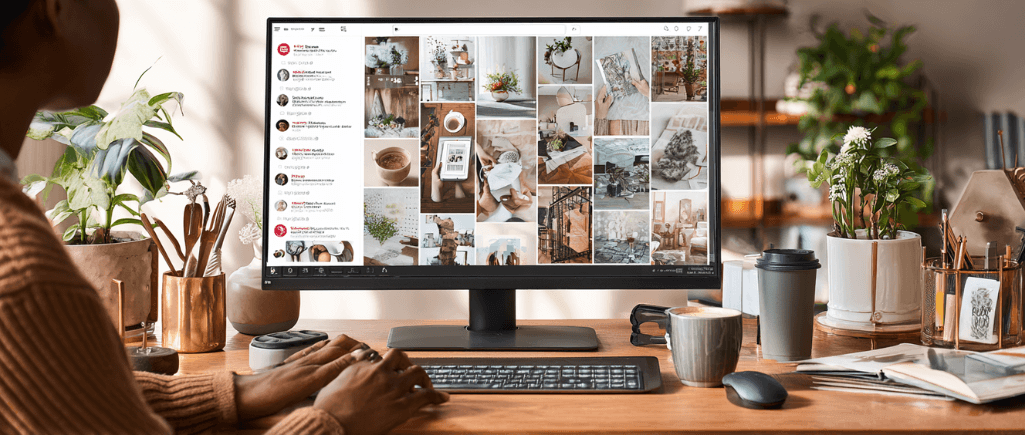
The real talk: Pinterest is a visual search engine, not a social media platform. The rules are different. The rewards are different. And once it clicks? The traffic is very different.
We're going to break it all the way down — from setting up your account correctly to writing keyword descriptions that actually work, all the way to understanding your analytics so you can make more of what people actually click on. Let's get into it.
1. Set Up a Pinterest Business Account (It's Free, There's No Excuse)
If you're using a personal Pinterest account to promote your blog, I need you to stop. Right now. Close the tab. A business account gives you access to Pinterest Analytics, rich pins, and the ability to actually understand what's working. All for the low, low price of $0.00.
I may earn a commission if you decide to make a purchase and sometimes if you just click on at link at no additional cost to you. Please read my disclosure page for more info.
Go to business.pinterest.com, create your account, and link it to your domain. Then — and this is where most people sleep — fill out your profile bio with relevant keywords. Don't write “blogger and dog mom.” Write something like: “Budget-friendly dinner recipes, home décor on a dime, and real talk about money for women who want more.” That's searchable. That's strategic. That's the move.
Pro Tip
Once your business account is live, claim your website. This unlocks Pinterest Analytics data for all pins that link back to your site — not just the ones you pinned yourself. That's data you absolutely need.
Do Your Keyword Research Like Your Income Depends On It (It Does)
Here's where people go wrong: they treat Pinterest like Instagram. They post a pretty picture with a vague caption and wonder why no one is clicking. Pinterest is a search engine. People type in what they're looking for, and your job is to show up when they do.
Start by typing your topic into the Pinterest search bar. What auto-populates below? Those are real keywords people are actually searching. For example, type “natural hair” and you'll see “natural hair care routine,” “natural hair styles for beginners,” “natural hair growth tips.” Each one of those is a blog post. Each one is an audience waiting for you.
Where to use your keywords
Don't just stuff them in one place and call it a day. Keywords belong in:
The alt text on your Pin images, blog post, you've multiplied your traffic potential by 10. That math is not complicated
Your Pinterest profile bio and display name
Your board names and board descriptions
Your Pin titles (this one matters more than people realize)
Your Pin descriptions — write a full sentence or two, not a hashtag dump
3. Use “Create Pin for Ad” – Even If You're Not Running Ads
This one is a sleeper hack that not enough people are talking about. When you go to create a pin, instead of using the standard “Create Pin” option, switch to “Create Pin for Ad.” Your pins don't become ads — you can publish them as regular organic pins. But the backend formatting gives them a boost.
Don't let the word “ad” scare you off. This is simply a smarter way to format your pin creation, and the difference in performance can be significant.
4. Optimize Your Boards Like They're Landing Pages
Your boards are not just organizational folders. They are searchable real estate. Pinterest boards actually show up in search results, which means a well-optimized board can independently drive traffic to your account.
Here's how to do it right:
- Search Pinterest for keywords in your niche and note what pops up in the search bar and the bubble suggestions underneath
- Build a list of at least 20 strong keywords
- Use those keywords in your board titles and descriptions
- Pin consistently and relevantly to keep each board active
- Design your board covers intentionally — they are often among the most-saved pins on an account
Treat every board like its own mini landing page optimized for search.
5. Fresh Pins Are Non-Negotiable
The Pinterest algorithm in 2025 and beyond rewards fresh content. That means new designs, new color schemes, new imagery — for the same URL if needed. A new visual pointing to an old blog post still counts as a fresh pin.
What it does not mean is reposting the same exact pin over and over. Those days are gone. The platform is now powered by AI that can read your pins, recognize duplicate visuals, and deprioritize them in the feed.
Fresh pin formula: new image + new colors + same keyword-rich title and description (with minor tweaks). That's it. You don't have to reinvent the wheel every single time — you just have to make it look new.
6.Your Outbound Links Are the Whole Point, Use Them Wisely
Impressions and monthly views are vanity metrics. They feel good, but they don't pay bills. What actually matters — and what Pinterest is literally designed to produce — is outbound clicks. Pinterest wants to send people off the platform and onto your content. That is its purpose.
Every single pin you post should link to something valuable:
- A blog post
- A product or service page
- A podcast episode
- A YouTube video
- Your email list opt-in
What you should not link to: Instagram. TikTok. Other social platforms. Pins that link to social media consistently underperform, and it makes sense — Pinterest is trying to drive people out of social media, not deeper into it.
7. Study Your Analytics, Especially Your Top 50 Pins
Nobody wants to look at declining impressions. Trust me, I understand the urge to close the tab and pretend it's not happening. But if you want to grow, you have to know what's actually working.
Focus on three key metrics to start:
- Impressions: Are people seeing your pins? If this is growing, your SEO is working.
- Saves: Are people bookmarking your pins? High saves mean high perceived value.
- Outbound Link Clicks: Are people actually visiting your content? This is the metric that matters most.
Now here's the move: pull your top 50 performing pins and save those Canva templates as your brand templates. You've just done your own data-backed market research. Stop guessing what works and start replicating what already does.
8. Try Manual Pinning, At Least Sometimes
Schedulers like Tailwind are great for consistency, and yes, batch scheduling your pins absolutely works for many accounts. But there's something to be said for manual pinning, too.
On days when you're already working, take two minutes and post a pin directly through Pinterest. No scheduler. Just you, your Canva template, and your keywords. Some accounts see a noticeable boost in performance from manually posted pins. It doesn't have to be all or nothing — mix both approaches and see what your analytics tell you.
9. Design for Mobile First – Always
The majority of Pinterest users are scrolling on their phones. If your pin is hard to read on a small screen, they are scrolling right past it. No second chances.
Mobile-first pin design means:
- Large, bold, legible fonts — aim for 96 to 104px for your main headline
- Short, scannable text — get to the point in the title
- High-contrast visuals that pop even in a crowded feed
- Breathing room around your headline so it doesn't feel cluttered
If you can't read your pin clearly on your phone without zooming in, it needs to be redesigned before it goes live
10. Use Idea Pins Strategically
Idea Pins — Pinterest's version of story slides — don't include outbound links, which is why many creators overlook them. That's a mistake.
Idea Pins drive saves, comments, and follower growth, which increases your overall account visibility. Use them to share how-to steps, mini-tutorials, or quick tips. Since there's no link to click, close with a call to action to follow your account. From there, your audience discovers your regular pins that do link to your content and products.
Think of Idea Pins as your top-of-funnel awareness tool. They introduce people to you. Your linked pins close the deal.produce consistent income.
11. The Algorithm Shifted, Stop Using Old Playbooks
If your account has plateaued or your outbound clicks have dropped, the first question to ask yourself is: am I still following Pinterest advice from two or three years ago?
Because the algorithm changed significantly in mid-2025. The old habits — pinning 25 times a day, mass repinning other people's content, posting the same pin across multiple boards — those strategies are no longer effective. The platform has evolved, and your strategy needs to evolve with it.
Focus on:
- Quality over quantity
- Original fresh designs
- Strong keyword optimization
- Consistent (not excessive) pinning: 3–6 pins per day, 5 days a week minimum
The platform now rewards smart, strategic creators — not volume pinners.
Be Patient. Pinterest Is a Long Game, and That's the Blessing.
Here is what makes Pinterest different from every other platform: your content has a lifespan measured in months and years, not hours. A pin you posted 18 months ago can suddenly spike in traffic today because someone searched the right keyword. That doesn't happen on Instagram. It doesn't happen on TikTok. It happens on Pinterest.
That means the consistent, strategic work you put in today is building a traffic asset — not just a moment. But it also means you need to give it time. Most creators see meaningful traffic results in 3 to 6 months. Stay consistent, keep optimizing, and trust the process.
Practical consistency looks like:
Tweaking descriptions slightly to signal freshness to the algorithm
Pinning at least 5 days a week
Creating 3–6 new pins daily
On busy days: change one word in the headline and swap the background color — that's a fresh pin Tweaking descriptions slightly to signal freshness to the algorithm
Final Thoughts from Your Digital Auntie
Pinterest is not complicated — but it does require intention. Once you start treating it like the search engine it is, optimizing every corner of your profile, creating multiple fresh pins per piece of content, and paying attention to what your analytics are telling you, the traffic growth becomes almost automatic.
You don't need a huge following. You don't need to go viral. You just need to be strategic, consistent, and patient.
The creators winning on Pinterest right now aren't working harder — they're working smarter. Now you know exactly how.
You don't need a thousand ideas. You just need one idea you're willing to build around. Start small, stay consistent, and let your systems grow with you. Your digital auntie is rooting for you. ✨
Now go update your boards, refresh your templates, and get those outbound clicks working for you. Your future self — the one with the traffic and the conversions — will thank you.