






There are various important travel essentials that you might not even know you need. Of course, you'll need a passport, but that's just the legal side of things. You'll also need tickets, a charger, maybe a neck pillow if the flight's long enough, or even an entire bag with legal documents, among other things.
However, besides the standard documentation, this article will focus on something different. It comes down to all kinds of moods, intentions, social and psychological connections, and other requirements that come in different shapes and forms. If they can make your trip easier and more enjoyable, then they also play the role of a “travel passport.”
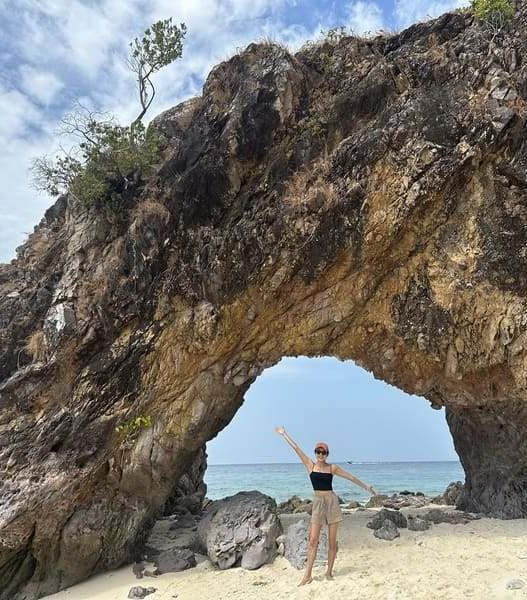
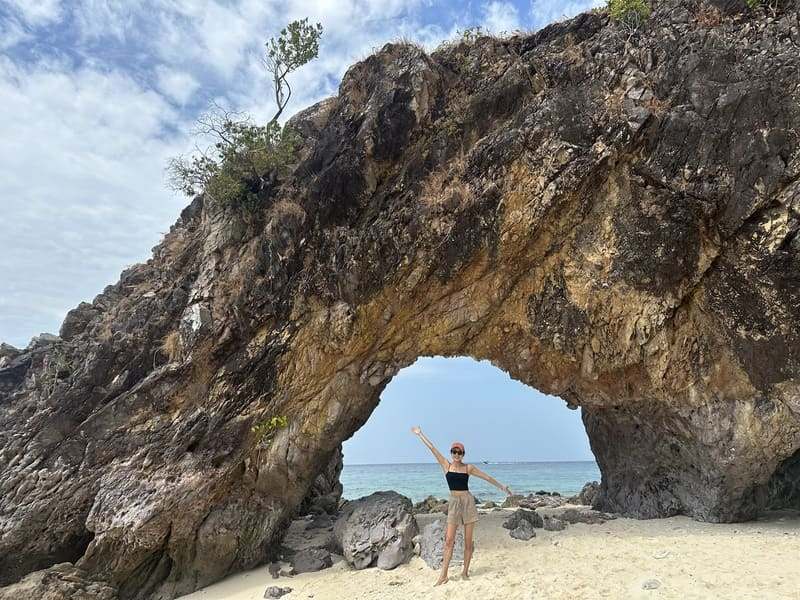
Stone Arch at Koh Lipe, Thailand
Ability To Be Comfortable With Uncertainty
You need to be comfortable with uncertainty. This is the next important part of your “passport” as an international traveller, because entering and visiting a country aren't the same thing. To visit a certain country, you'll need much more than simply entering it legally. The unknown or uncertain things that await you there are what make your trip unpredictable, and you should be mentally comfortable with it.
Let's face it – even the most ordinary trip rarely unfolds exactly as planned. Trains are delayed, the weather can shift, Google Maps fails in tunnels, and a “must-see” attraction can turn out to be overcrowded and overwhelming. At the same time, a random side street with blooming trees and cosy side benches can become the best memory of the trip. That's why you'll enjoy your travel the most when you know how to adjust and expect surprises.
Openness & Adaptability
In short, openness and adaptability represent the willingness to move through unfamiliar locations, listen to new sounds, and explore new sights, all without expecting them to work like home. As a traveller, a physical passport grants you legal entry into a certain country, but you need to be open to local people and try to adapt if you seek emotional and cultural entry. That can be an even more important “passport” and often the only way to dive into the real rhythm of local life.
Curiosity And The Need To Explore
Curiosity is one of the most powerful forces that keeps you engaged. Long before tickets are booked or bags are packed, the need to explore usually begins with a series of questions: what's that place like, how do people live there, what does that city feel like at night, in the rain, in the early mornings, is it the same as in the pictures?
Curiosity is just an invitation to discover something new and exhilarating.
For example, if you go to the Philippines and you want to play your favourite casino games while lying on a white sandy beach, you should be curious about what the best local online payment methods are. So, explore the legit online casinos offering GCash payment and be prepared in advance.
Even when it comes to business trips, you should be curious about at least a few things that'll keep your mind and imagination alive. Instead of just seeing a destination, you should always try to understand it beforehand. Therefore, your trip becomes more than a checklist of attractions. It'll transform into a process of smaller discoveries.
Be Modest & Humble
This is perhaps the most underrated “travel passport” of all, because modesty and humility allow every awkward moment to become part of the journey and not feel like a personal offence. Even if you read about the best recommendations for Queenstown attractions that'll make your trip to New Zealand unforgettable, you'll most certainly be confronted with the limits of your knowledge and expectations.
For instance, you might mispronounce the name of a place or order something that you didn't mean to order. Without humility, you'll keep trying to compare things to home and explain them to yourself on your own terms. If you're humble, you'll realise more easily that you're the guest.
Attention To Detail
Let's think of another internal passport called “attention.” You may travel by collecting images rather than impressions. That's the perfect recipe to miss the important things like the old song playing from the street-side shop, the strange way the sunlight hits the bus station, or just the scents in the city park you may never visit again. So, don't forget to bring your attention to your next trip if you want it to be memorable.
Travel Checklist Tips
In the end, travel is not just about where you're allowed to go. It's about what you're ready to experience once you arrive. However, it wouldn't be possible without preparing the official travel documents. So, besides the passport that you should prepare at least a few months beyond your travel dates, here are additional recommendations in the form of a travel checklist:
- Prepare the required documents for a visa or visa-on-arrival.
- Get a printed boarding pass as a backup or for specific airports.
- Apply for ESTA or the equivalent authorisation at least 72 hours before travelling to the United States.
- Apply for a transit visa for connecting countries at least 2 to 8 weeks before travelling.
- Prepare an international driving permit for car rental or digital authorisations.
- Get a travel insurance confirmation document.
- Fill out a customs declaration for high-value items.
- Prepare proof of funds or financial support.
- Use reliable sources like embassy and consulate websites.
Now you should be aware of the different kinds of “travel passport” you may never think to pack, even though they can predetermine your entire journey more than any document in your bag.
It's neither stamped at the borders nor checked at security. It's a psychological, social, and deeply practical kind of passport. It's the combination of all invisible things, like emotions, intentions, and other forms, that help you determine how much of a place you can actually enjoy.



![13 Unmissable Things To Do In Panama City [2026 GUIDE]](https://rjema.com/wp-content/uploads/2026/05/13-Unmissable-Things-To-Do-In-Panama-City-2026-GUIDE-527x703.jpg)