





![13 Unmissable Things To Do In Panama City [2026 GUIDE]](https://rjema.com/wp-content/uploads/2026/05/13-Unmissable-Things-To-Do-In-Panama-City-2026-GUIDE-527x350.jpg)
![13 Unmissable Things To Do In Panama City [2026 GUIDE]](https://rjema.com/wp-content/uploads/2026/05/13-Unmissable-Things-To-Do-In-Panama-City-2026-GUIDE-1044x694.jpg)
But the city had other ideas.
It's where skyscrapers meet rainforests, where Caribbean calm melts into Pacific rhythm, and where you can surf one morning and sip coffee in the highlands by afternoon.
The more I explored, the more I realised that beautiful Panama is like Central America in miniature — bold, diverse, and endlessly surprising.
So whether you're here for adventure, nature, or a little of both, here's your Panama travel guide to the best places to visit in Panama, with unique and adventurous things to do in Panama that'll make you fall for this wildly beautiful country.
READ ALSO:
How To Get To The San Blas Islands, Panama
Bocas del Toro, Panama – The Only Guide You Need!
How To Get To Bocas del Toro, Panama
San Blas Islands, Panama – The Only Guide You Need!
All You Need To Know About Panama City, Panama
Panama is so much more than its canal — though watching giant ships rise and fall between oceans is reason enough to go.
This small but mighty country is known for:
- The Panama Canal — an engineering wonder that literally connects the world.
- Tropical rainforests — home to toucans, sloths, and some of the densest biodiversity on the planet.
- Highland coffee farms in Boquete, where mornings smell like roasted Geisha beans and mist drifts over the mountains.
- Caribbean beaches in Bocas del Toro, all turquoise water and reggae beats.
- Adventure tourism — from island-hopping in San Blas to hiking up Volcán Barú.
- Its crossroads vibe — a bridge between North and South America, the Pacific and the Caribbean, modernity and wild nature.
If you're wondering where Panama is on the map, picture it as the slender curve connecting Costa Rica and Colombia — a place where you can literally watch the sun rise on the Caribbean and set over the Pacific.
Where Is Panama City Located on the Map?
Panama sits at the southern tip of Central America, bordered by Costa Rica to the west and Colombia to the east.
What makes it special is its geography — it's the narrow bridge that connects North and South America, with the Pacific Ocean on one side and the Caribbean Sea on the other.
That's why you'll hear locals say Panama is “where the world meets.”
In a single day, you can literally watch the sunrise over the Caribbean and set on the Pacific — not many countries can claim that.
Location
Top 13 Panama City Experiences You Can't Miss
1. Panama Canal: Miraflores Locks
You can't visit Panama and skip the Canal — it's the country's heartbeat, its pride, and a living reminder of human determination carved through jungle and rock.
The first time I stood at the Miraflores Locks, I felt tiny watching a container ship rise — slowly, impossibly — on a staircase of water. The sound of rushing gates and echoing horns fills the air while guides explain how this engineering wonder stitches together the Atlantic and Pacific Oceans.
The Miraflores Visitor Centre, just 25 minutes from downtown Panama City, has a museum and a panoramic terrace café where you can sip iced coffee as ships glide past, their hulls brushing the sky.
Entrance costs USD 17, and the best time to go is 10 am–2 pm, when ships are most active.
Pro Tip: If you're fascinated by mega-ships, visit the newer Agua Clara Locks near Colón — that's where the giant “Neo-Panamax” vessels pass, dwarfing everything around them.
Location
2. Wander The Streets Of Casco Viejo
If Panama City's skyline is its modern face, Casco Viejo is its soul.
Walking through this old quarter feels like stepping through time — colonial churches stand next to boutique hotels, and pastel balconies overflow with bougainvillaea.
Street musicians play salsa rhythms under crumbling facades, while locals sip coffee in Plaza de Francia.
My favourite moment was catching the sunset from Tantalo Rooftop — the golden light hit the cathedral domes, and behind them, the glass towers of the new city shimmered like a mirage.
Wander past Iglesia La Merced (Church of the Mercy), admire the street art on Calle 10 Oeste, and stop for gelato at Granclement when the heat kicks in.
Pro Tip: Bring comfy shoes and patience — the cobblestones are uneven, and you'll want to stop often just to look up.
3. Take A Day Trip To The San Blas Islands
San Blas island, Panama
The San Blas Islands are what most people imagine when they picture paradise — over 360 tiny islands, each fringed with palms, white sand, and crystal water so clear you can see starfish beneath your feet.
Getting there is part of the adventure: a 2.5-hour 4×4 ride through winding jungle roads, followed by a short boat ride that suddenly opens up into turquoise infinity.
If you want tips on planning the trip efficiently, what to pack, and how to navigate the local checkpoints, there's a full guide on making the journey smoother and stress-free.
It's a bit of a journey from Panama City, but totally worth it — especially if you plan your route right.
A day trip costs around USD 120–150 and usually includes lunch, snorkel gear, and island-hopping between uninhabited islets.
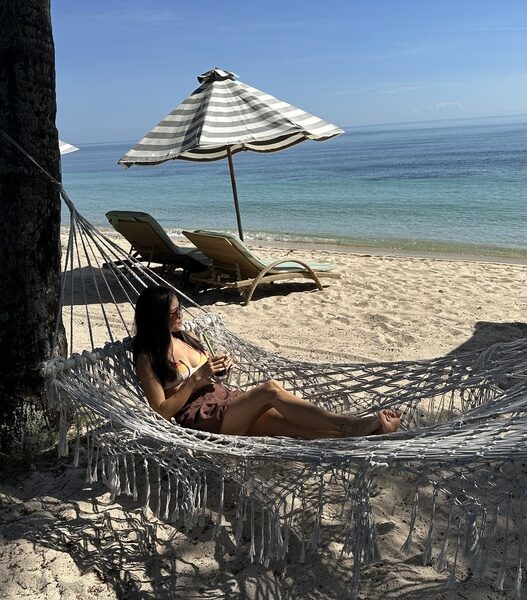
You won't find Wi-Fi, but you'll find something better — hammocks, grilled fish, coconut rice, and silence.
The Guna Yala people welcome visitors to their islands with quiet pride; their woven molas (textiles) are works of art.
Go during the dry season (December–April) for calm seas and clear skies.
Pro Tip: Bring your passport — the region is autonomous and requires ID at the checkpoint.
Book your Day Trip to San Blas Islands here
4. Hike In Soberanía National Park
Only 40 minutes from Panama City, Soberanía National Park feels like stepping into another world — a place where the air hums with insects, the ground smells of rain-soaked earth, and every rustle in the canopy hints at wildlife watching you back.
The park's most iconic trail is Pipeline Road, a gentle, mostly flat path that stretches deep into the jungle. It's considered one of the top birdwatching sites in the world, home to more than 500 bird species.
From toucans to motmots. If you're lucky, you'll spot a sloth or a troop of howler monkeys echoing through the canopy.
Entry is USD 5, and the best time to go is early, before 8 am, when the jungle is cool, active, and filled with birdsong. After 10 am, the forest quiets down and wildlife becomes harder to spot.
Pro Tip: Bring bug spray and binoculars, and if you're not sure where to look, hire a local guide — their eyes catch things yours won't.
Book your Soberanía National Park Hike tour here
Location
5. Take A Day Trip To Bocas Del Toro
Hotel Eclypse Del Mar, Bocas Del Toro, Panama
There's a moment when your water taxi glides into Bocas del Toro, and you realise this is the Caribbean at its most carefree — colourful houses on stilts, reggae beats drifting from beach bars, and clear blue water stretching into forever.
Base yourself on Isla Colón, the main hub of Bocas del Toro, where water taxis make it easy to reach the nearby islands.
From town, you can take a short shuttle or bike ride to Playa Estrella (Starfish Beach), known for its calm, shallow water and large starfish just offshore. It's one of the best spots for simple snorkelling — just avoid touching the starfish, as the beach is protected.
For surfing, you can catch a boat over to Red Frog Beach on Isla Bastimentos, which draws both beginner and intermediate surfers.
If you prefer something quieter, kayaking through the mangroves of Isla Bastimentos is a wonderful option — tours navigate sheltered channels, and you may spot wildlife like sloths or herons along the way.
Water taxis typically cost around USD 5–10, depending on the route, making island-hopping fairly accessible even on a short stay.
Flights from Panama City take just 1 hour, or if you're feeling adventurous, the overnight bus + boat route if you're on a budget.
Nights here are for cocktails on the docks, where the sea glows faintly with plankton under the moonlight.
Tip: Visit between February–April or September–October for the best weather and calmer seas.
Book your Flight to Bocas Del Toro here
6. Visit Boquete And Taste Panama's Best Coffee
Up in the Chiriquí Highlands, the air cools and the pace slows.
Boquete is a mountain town tucked between cloud forests and rivers, known for its adventure trails and world-famous Geisha coffee — a single cup can sell for USD 30–50 in Tokyo or New York.
For adventure, you can join a tour and hike to The Lost Waterfalls Trail (Las Tres Cascadas), or if you're up for a challenge, climb Volcán Barú — Panama's tallest volcano. On rare clear mornings, you can see both the Pacific and Atlantic Oceans from the summit.
Pro Tip: Nights drop to around 15°C (59°F), so pack layers — and try the local honey and strawberries before you leave.
Location
Book your Boquette Coffee tour here
Book your Lost Waterfall & Volcán Barú tour here
7. Snorkel Or Surf In Santa Catalina
Santa Catalina is the kind of place where time forgets to move.
Once a fishing village, it's now Panama's surf capital and gateway to Coiba National Park, a UNESCO World Heritage Site often called the “Galápagos of Central America.”
Take a boat trip (USD 60–80) to snorkel coral reefs, swim with turtles, and maybe spot reef sharks gliding below. Divers often see giant manta rays and even whale sharks between December and April.
Stay a few days. There's no nightlife here — just hammocks, bonfires, and the rhythm of waves breaking on black-sand beaches.
Santa Catalina is a small Pacific-side village known for its surf breaks and as the gateway to Coiba National Park, a protected marine reserve. The town has a few guesthouses, cafés, and surf schools, but most visitors focus on the ocean.
Daily boat trips from Santa Catalina to Coiba for snorkelling cost around USD 60–80 per person, plus a USD 20 park entrance fee for foreigners.
Typical stops include Isla Granito de Oro and Isla Ranchería, where you can see sea turtles, reef sharks, tropical fish, and sometimes giant manta rays. Whereas, Whale sharks are most often seen from December to April.
For surfing, Playa Santa Catalina has consistent reef breaks suited for intermediate and advanced surfers, while nearby Playa Estero offers gentler waves for beginners. There are surf camps that provide lessons and coaching.
Stay a few days. There's no nightlife here — just hammocks, bonfires, and the rhythm of waves breaking on black-sand beaches.
Pro Tip: Bring cash — there are no ATMs in town and Wi-Fi can be patchy.
Book your Surf Lesson in Santa Catalina here
8. Explore the Amador Causeway
Back in Panama City, the Amador Causeway is a scenic 6-km stretch linking four small islands — Naos, Perico, Culebra, and Flamenco — and offering striking views of both the city skyline and the Pacific entrance to the Panama Canal.
It's popular with walkers, cyclists, and photographers alike.
Cycling is one of the best ways to explore. Bikes can be rented from Bicicletas Moses, letting you ride along the wide paved paths while enjoying the sea breeze.
Along the way, you'll find several lookout points perfect for spotting ships entering the canal and snapping panoramic shots.
A must-see stop is the Biomuseo, designed by Frank Gehry. This colourful museum tells the story of Panama's biodiversity through interactive exhibits, vivid architecture, and stunning rooftop terraces overlooking the water.
As evening falls, the Causeway becomes a prime spot for dining. La Fishera Seafood Amador is a local favourite, serving fresh fish, ceviche, and seafood platters with the backdrop of the sun setting behind the city.
Pro Tip: Weekdays are quieter than weekends, making early evening walks or cycling particularly pleasant. Bring water and sun protection if visiting during the day, and consider staying until sunset to capture the sky turning crimson over the skyline.
Rent a bike here
9. Go Island-Hopping in the Pearl Islands
Bocas Del Toro, Panama
If you're short on time but craving island life, head to the Pearl Islands, just 90 minutes by ferry from Panama City.
These islands were once a Spanish treasure hub (and later, a Survivor filming site), but today they're known for calm turquoise water and powder-white beaches.
Base yourself on Isla Contadora or Isla Saboga, where you can kayak, snorkel, or simply float the day away.
Round-trip ferries cost about USD 90–100, and island hotels offer grilled seafood feasts under the stars.
Pro Tip: Visit between January and March — humpback whales are often seen breaching nearby.
Book your Ferry to Pearl Island here
10. Chase Waterfalls in El Valle de Antón
Nestled inside an ancient volcanic crater, El Valle de Antón feels like a town hidden in the clouds.
Wake up to mist rolling over green hills and explore Chorro El Macho Waterfall or hike India Dormida, a local legend said to resemble a sleeping woman.
On weekends, the local market bursts with handmade crafts, orchids, and baskets woven by the Emberá people.
It's cooler up here, perfect for lazy mornings and long hikes.
Pro Tip: Stay overnight to enjoy the quiet — the stars here are incredible once the day-trippers leave.
Book your El Valle De Anton tour here
11. Take a Jungle Boat Tour on Gatun Lake
Gatun Lake feels like two worlds colliding — part of the Panama Canal, but also a lush jungle ecosystem full of wildlife.
When you head out on a boat tour, you're not just watching ships: you're traveling through a living forest on water.
During the boat tour, you'll glide past tiny forested islands where capuchin and howler monkeys lounge in the treetops, crocodiles sun themselves on the shore, and birds like herons dip down to fish.
All of this happens as massive cargo ships silently pass nearby — it's surreal to see such raw nature and industrial power in one frame.
On this ride, you might also spot sloths, tamarins, or other tropical species.
The mix of nature and history is powerful — the guide often shares stories about the Canal's construction and the ecological importance of the lake.
Pro Tip: Bring a dry bag and camera lens cloth — mist from the lake and humidity can fog up your gear fast.
Book your boat tour to Gatun Lake here
12. End the Trip with Sunset Rooftops & Ceviche
Before leaving Panama, end where it began — back in Casco Viejo.
As the sky turns gold, order a cocktail at CasaCasco or Selina Rooftop, where music hums softly and the city lights flicker across the bay.
Then walk down to Mercado de Mariscos and grab a ceviche cup (USD 3–5) — tangy, fresh, and bursting with lime and spice.
It's the kind of simple meal that somehow captures the essence of Panama — bright, bold, and unforgettable.
Location
13. Go Whale Watching in the Pacific
From July to October, Panama's Pacific coast turns into one of the world's best stages for whale watching.
Thousands of humpback whales migrate here — from both the Northern and Southern Hemispheres — to mate, give birth, and nurse their calves in warm tropical waters.
The most famous spots to see them are the Pearl Islands, Coiba National Park, and Gulf of Chiriquí, where tours depart daily during the season.
You'll often spot mothers and calves breaching near your boat — sometimes close enough to hear the splash echo across the bay.
(Bonus: Panama is one of the only countries where you can watch whales on both the Pacific and Caribbean sides — though the Pacific remains the hotspot.)
Book your Whale Watching tour here
Where To Stay In Panama City, Panama
Whether you're chasing city views, beach hammocks, or mountain mist, Panama has stays for every style:
Luxury – American Trade Hotel (Casco Viejo)
Once a 1917 landmark, now a blend of old-world charm and design-forward elegance.
Sip coffee under archways, listen to live jazz at night, and wake up to views of red-tiled rooftops and church domes.
From USD 250/night.
Mid-Range – Central Hotel Panama (Casco Viejo)
Right in the heart of the old quarter — perfect for wandering the plazas and grabbing rooftop drinks at sunset.
Rooms are polished, with colonial character.
From USD 130/night.
Budget – Selina Bocas del Toro / Luna's Castle (Panama City)
If you like atmosphere and community, you'll find it here.
Surfboards leaning on pastel walls, happy hours by the water.
From USD 25 (privates from USD 70).
Tip: In smaller towns like Boquete or Santa Catalina, family-run eco-lodges and hostels with hammocks often feel more authentic than hotels.
Best Time To Visit Panama City, Panama
San Blas, Panama
Panama doesn't have 4 seasons — just two: the dry season and the green (rainy) season. Both come with their own magic, depending on what kind of traveller you are.
Dry Season (December–April):
This is the most popular time to visit — think blue skies, calm seas, and golden sunsets.
It's perfect for island-hopping in San Blas, surfing in Santa Catalina, or wandering Casco Viejo's colonial streets without worrying about sudden showers.
Expect slightly higher prices and more travellers, especially around Christmas and Carnival (February or March).
Rainy / Green Season (May–November):
Don't let the name scare you — mornings are often sunny, and rain usually comes in short, dramatic bursts during the afternoon.
This is when Panama's jungles turn electric green, waterfalls swell, and wildlife is easiest to spot.
It's also the best time for budget travellers, with cheaper stays and quieter beaches.
September – October can see heavier rain in the Pacific, but the Caribbean side (like Bocas del Toro) often stays drier
Temperatures And Regional Tips:
Across the country, temps hover between 26–32 °C (79–90 °F), but the highlands around Boquete cool down to 15 °C (59 °F) at night.
Pack light, breathable clothes, a rain jacket, and quick-dry gear if you're heading into the jungle.
If you're planning specific experiences:
- Whale-watching: July – October (Pacific coast)
- Coffee harvest season in Boquete: December – March
- Best surf: April – October
Getting Around Panama City, Panama
Getting from coast to cloud forest is surprisingly easy:
- Flights: Quickest way to hop between Panama City, Boquete, and Bocas del Toro (1 hour).
- Buses: Comfortable and cheap — the Albrook Terminal in Panama City is the main hub.
- Car rental: Great for exploring on your own schedule (~USD 35–50/day). Roads are generally good outside the city.
- Uber & Taxis: Affordable and common in Panama City (Uber is usually cheaper).
Tip: Stay connected with an eSIM — coverage is surprisingly strong, even on remote islands like San Blas or Contadora.
Panama might look small on a map, but it feels vast once you start exploring.
One day, you're sipping Geisha coffee above the clouds in Boquete. Next, you're barefoot on a white-sand island with nothing but palm trees and sea breeze. It's that rare mix of raw nature and cosmopolitan edge — skyscrapers one moment, toucans the next.
So if you're searching for fun things to do in Panama, a blend of adventure and chill, and beautiful places that still feel authentic, this is your cue to book that ticket.
Whether you're island-hopping through the San Blas archipelago, surfing in Santa Catalina, or chasing sunsets in Bocas del Toro, Panama gives you a taste of every world.
And if you're still deciding whether to pair it with Costa Rica — both sides of the border have their charm, just in different shades.
Panama isn't just about crossing between oceans — it's about finding yourself somewhere perfectly in between.
FAQs About Things To Do In Panama City, Panama
Is Panama Safe?
Yes. Panama is one of the safer Central American countries. Stick to well-lit areas at night, use Ubers or official taxis, and go with a guide for jungle or island trips.
Do I Need A Visa To Travel To Panama?
Travellers from most countries (US, UK, EU, Canada, Australia, NZ) can stay visa-free for up to 180 days. You'll need a valid passport and proof of onward travel.
What Currency Is Used In Panama?
Panama uses the US dollar (USD) — the local Balboa is pegged 1:1 but rarely seen. Carry cash for smaller towns or islands.
How Long Should I Stay In Panama?
Give it at least 7–10 days — a few in Panama City, a few in the islands (San Blas or Bocas), and a few in the highlands (Boquete or El Valle).